A new life-saving technology is being introduced to the Australian market, designed to support faster, safer water rescues and help responders reach people in trouble sooner, especially in conditions where human entry is difficult or hazardous.
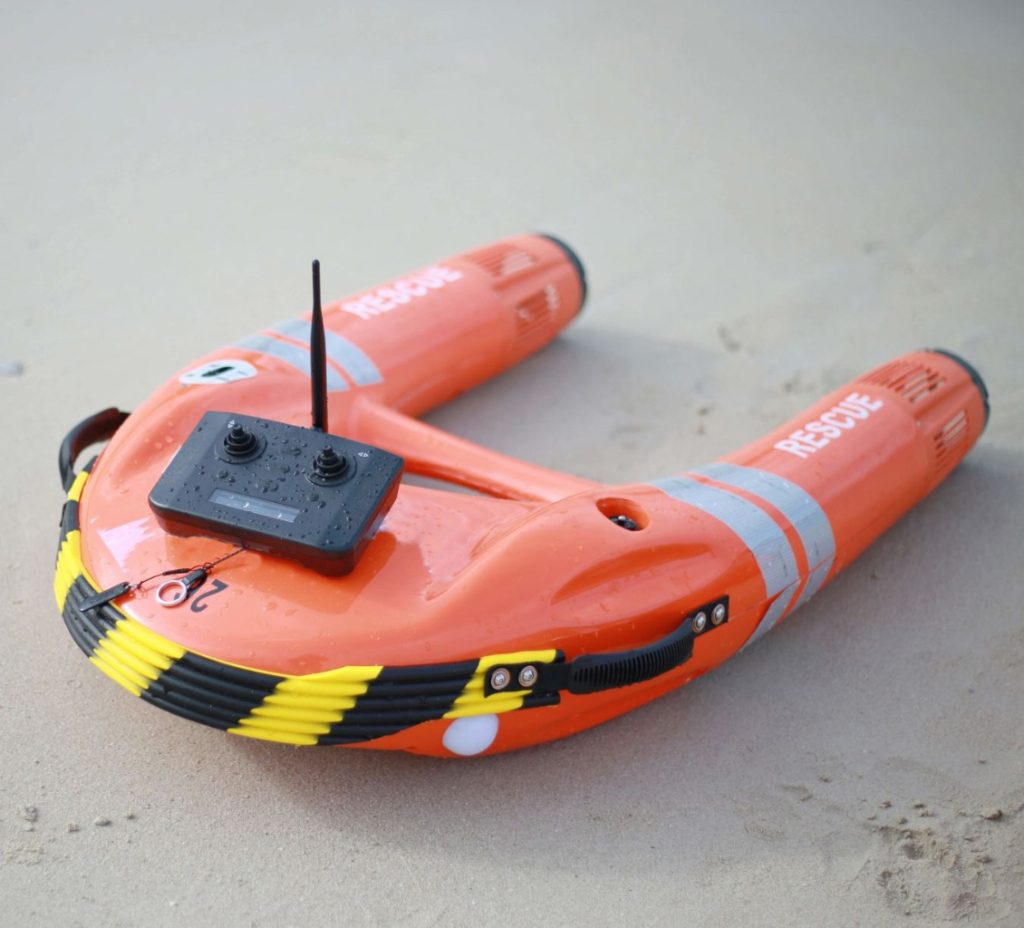
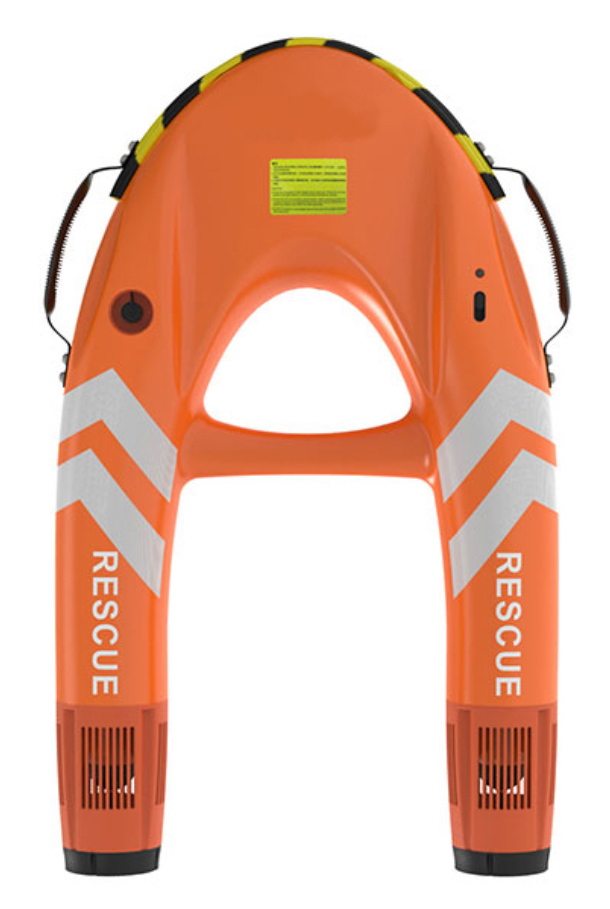
Vector Water Craft has unveiled its Remote-Control Rescue Buoy (RCRB), a powered and highly controllable rescue device created to assist trained rescuers and first responders by improving time-to-contact and reducing exposure to risk. The company says the buoy is intended as a practical, deployable tool that can be used across a wide range of environments, including beaches, inland waterways, flood conditions and remote locations.
A key advantage, Vector Water Craft says, is speed. The Remote-Control Rescue Buoy is designed to travel well beyond human swimming speed, allowing it to reach a casualty faster than even strong swimmers. In rescue scenarios, that time advantage can be critical, helping provide flotation support sooner and enabling responders to stabilise a situation while additional assistance is mobilised.
“This technology is about buying precious time,” a Vector Water Craft spokesperson said. “In a drowning situation, seconds matter. If a buoy reaches someone even moments earlier, it can mean the difference between rescue and recovery.”
Unlike passive flotation devices, the RCRB is powered, immediately redeployable, and can be directed precisely to where it is needed. Vector Water Craft says its jet-based propulsion approach is designed to minimise the risk of injury to both the casualty and the rescuer, and to perform in challenging conditions including shallow water, rocky locations and debris-laden environments.
Looking ahead, Vector Water Craft also confirmed it is developing a secure, publicly accessible deployment cabinet for the Remote-Control Rescue Buoy—an initiative aimed at improving availability in unpatrolled or high-risk areas. The proposed cabinet concept is intended for remote or hard-to-staff locations and is being designed to enable rapid public access, provide clear step-by-step instructions, and support deployment even when no other people are present, drawing a parallel with the accessibility model of public defibrillators.
To help accelerate adoption, Vector Water Craft says it is offering special pricing programs to Surf Life Saving Clubs, local councils, emergency services and government bodies. The aim, the company says, is to enable broad, practical deployment, supporting organisations that are actively working to improve public safety outcomes and strengthen rescue capability across diverse waterways.
“If this equipment saves even one life, it justifies its existence,” the spokesperson said. “The real cost isn’t the technology, it’s the lives lost when help can’t arrive quickly enough.”
Importantly, the Remote-Control Rescue Buoy is positioned as an enhancement to existing rescue capability rather than a replacement for trained personnel. Vector Water Craft says the RCRB is intended to extend reach, provide a powerful first-response option while rescuers mobilise, and reduce the need for immediate human entry when conditions are unsafe.
With waterways becoming busier and the demand on rescue organisations continuing to grow, Vector Water Craft believes the RCRB represents a meaningful step forward in modern rescue equipment, delivering a faster, safer and more deployable option for those responsible for protecting the public.
For more information, visit vectorwatercraft.com.au