Boat ramp etiquette – Plan ahead for a smooth launch
Observing how other boats are moving, where people are parking, and the layout of the ramp can save time and help to prevent accidents.
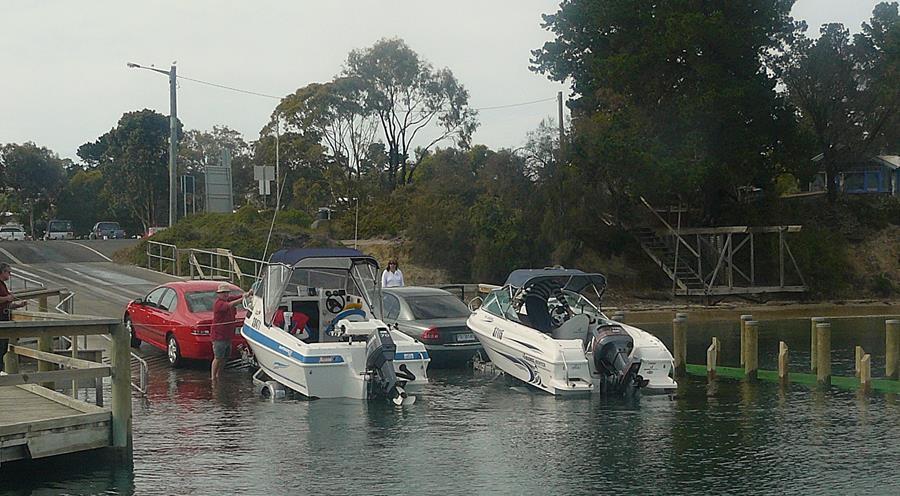
Summer and the holiday period are often the busiest times at your local boat ramp, and the 2025/26 season has been no exception. Also, having the time to explore other waterways leads to many boaters using facilities they are unfamiliar with.
If the area you choose is unfamiliar to you, or you are new to boating, please take the time to look at the ramp and the facility’s surroundings before you launch your boat.
Where to find boating facilities state-wide
Use MAST’s statewide Facilities Finder webpage to locate boat ramps and jetties, access information and current weather and tide conditions. If you are new to boating, it is a good idea to head down to your local ramp on a quiet day when there is minimal traffic and practise launching and retrieving your vessel. Practicing launching a vessel when you are not under pressure will help you gain confidence, understand the flow of your vehicle and vessel and understand the way others use the facility too.
Visit to MAST’s state-wide Facilities Finder webpage.
Pre-trip preparation will get you on the water quicker
Don’t approach the ramp until you are fully prepared for your day on the water. Prepare your vessel well away from the ramp, ensuring all safety equipment, life jackets, and trailers are in working order and ready to go.
Once at the ramp always:
- follow the flow of traffic
- be patient, take your turn
- give space to slower or less experienced boaters
- move your vehicle and trailer to a parking area once your boat is in the water.
If you see someone struggling, offer to give them a hand. Simple acts of courtesy can make a big difference, not only by helping others but also to the keep the ramp safe and efficient for everyone.
Boat ramp etiquette – information, tips and guidance
Safety Spotlight – Radar reflectors
Radar reflectors help vessels become more ‘visible’ during times when conditions on the water are foggy, during periods of heavy rain or when it is dark. Also, vessels such as trailer boats often give very poor echoes on a ship’s radar, especially in rough seas, and fibreglass or timber vessels can be even harder to detect.
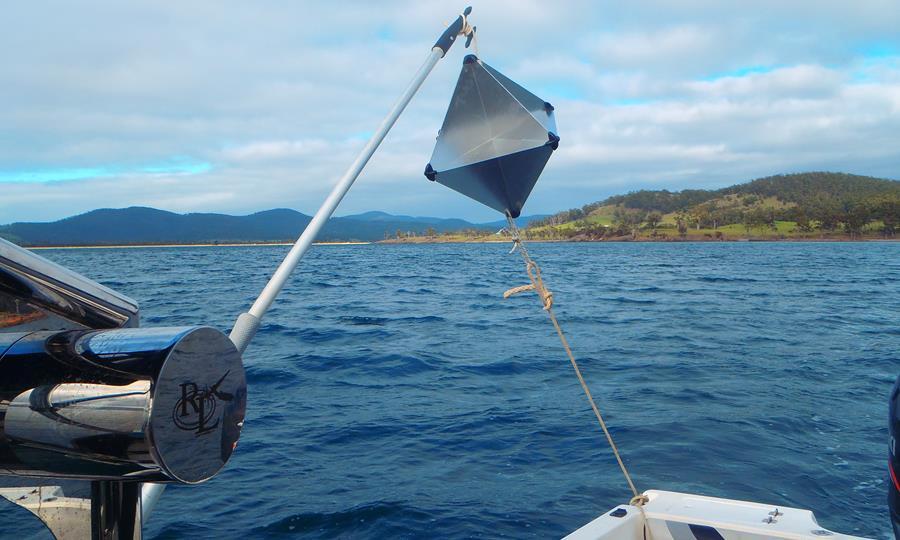
Radar reflectors are mandatory while vessels are operating on coastal waters, but do not need to be displayed permanently, only in times of reduced visibility.
Because radar waves do not penetrate swells well, it is best to display the reflector as high as possible on your vessel. For small boats, this could be on a boat hook in a rod holder, and on yachts the radar can be hoisted up the mast with a halyard.
Aluminium boats
MAST say they are often asked if a radar reflector is still required on an aluminium boat.
The answer is yes.
While aluminium boats generally produce stronger radar echoes than vessels made from other materials such as timber, a radar reflector should be used during periods of limited visibility.
More information – Radar reflectors
MAST School’s Program update
In 2025, the MAST School Boating Safety Program saw increased engagement with potential future boaters and paddlers. Through this program, MAST staff directly delivered safe boating and paddling messages to over 10,000 students from more than 100 schools across Tasmania including Dover District High School, Westbury Primary School, Flinders Island District High School and Stanley Primary School.
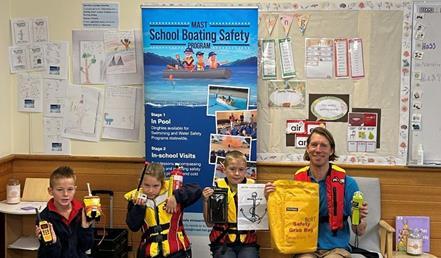
In addition to MAST’s School Boating Safety Program, approximately 14,000 students participated in Stage 1 boat education through pool-based sessions.
These sessions are delivered as part of the Department of Education Children and Young People’s Swimming Water Safety Program.
While the 2025 figures are impressive, the true impact and value is evident over the life of the program. Since it began in 2001, teaching children and young people in grades 3 to 12 about wearing life jackets and using safety equipment, the program has contributed to fostering a culture of safe boating and paddling in Tasmania helping to prevent incidents and a reduction in the
long-term fatality trend.
Mooring maintenance reminder
Regular maintenance of your mooring is essential to keep your vessel safe and compliant. At a minimum, your mooring should be lifted and inspected once every two years. MAST suggest checking your mooring maintenance schedule is compliant with your insurance policy as some insurance companies require annual mooring inspections.
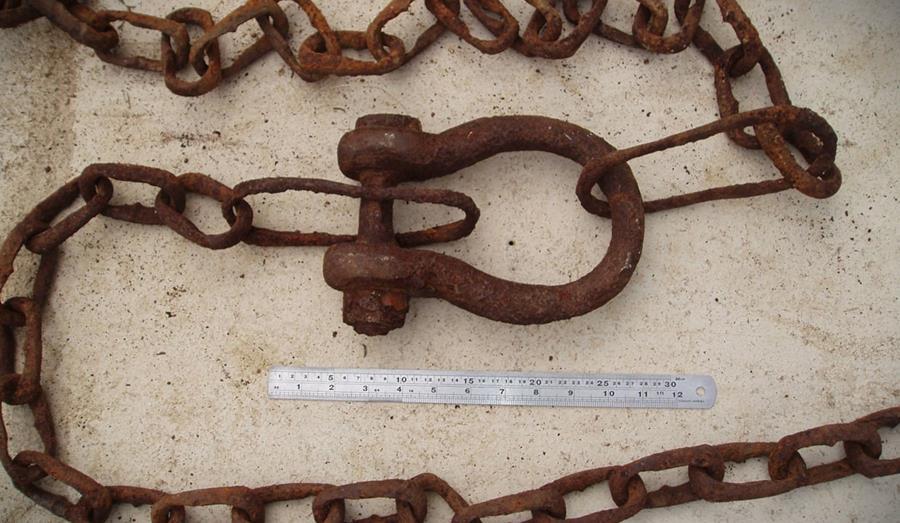
What you need to know about mooring inspections
Regular servicing helps to prevent your vessel from drifting, becoming stranded, or causing damage to other vessels or waterway users.
During inspection, contractors will check all components of your mooring ensuring ropes, chains, anchors, and buoys are in good condition and free from wear or corrosion.
Always use a mooring contractor for servicing as these contractors are trained and equipped to make sure your mooring is safe and meets all regulatory requirements.
Infrastructure update
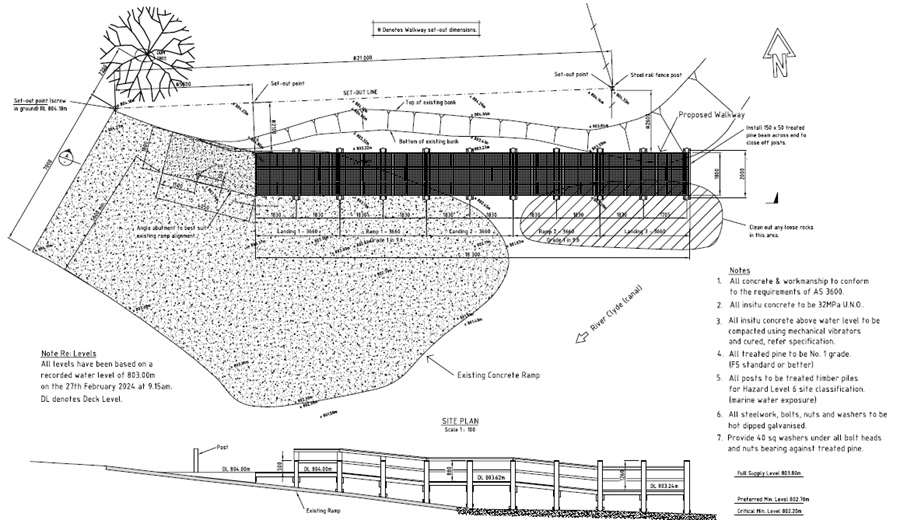
Image of plans for construction works for Lake Cresent, Tasmania.
Boomer Bay
Construction is currently underway to extend the timber walkway by 12 metres. Although access to the boat ramp is unavailable for use during weekdays during construction, works are expected to be completed by the end of February 2026.
Sisters Beach
A contractor has been appointed for a new concrete landing stage at Sisters Beach. Works are scheduled to commence after Easter 2026, with completion expected by the end of June 2026.
Lake Crescent
A contractor has been appointed to construct a new timber walkway at the Lake Crescent boat ramp. Works are scheduled to begin in late February 2026, with completion expected by early April 2026.
Garden Point
Funding has been allocated for a seven-metre extension to the existing pontoon at Garden Point. Pending approvals, the extension will be installed in the coming months.
For more information, visit mast.tas.gov.au