A message from AMSA
Now is a good time to review your safety management system (SMS) and make sure your lifejacket risk assessment and procedures are current, understood and fit for purpose.
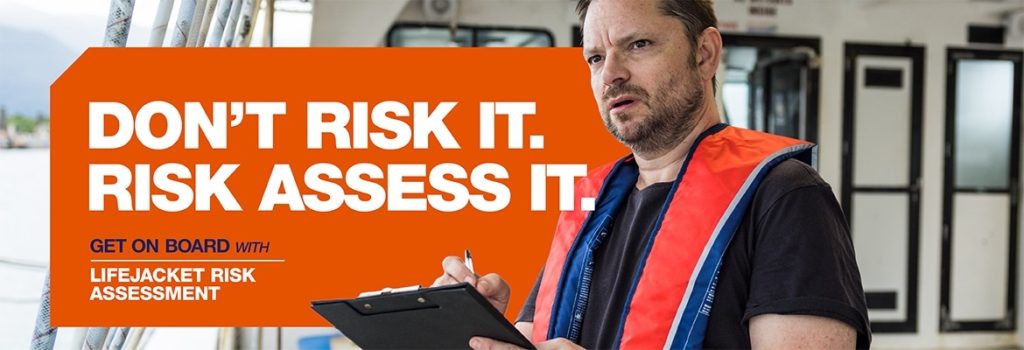
Falls overboard remain a serious risk for domestic commercial vessel (DCV) operations. A lifejacket can prevent a tragic outcome, but only if it’s worn when it’s needed most. That’s why reviewing your lifejacket risk assessment is a critical part of managing safety on board your vessel.
Under the national law, DCV operators must include a lifejacket risk assessment and clear written procedures for lifejacket wear in their SMS. Your risk assessment must identify when, where and who needs to wear a lifejacket, based on the specific risks of your operation.
When developing or reviewing your risk assessment, consult with your master and crew and consider common high-risk activities, such as:
single person operations
- working on deck or over the side of the vessel
- embarking or disembarking from tenders
- operations in poor weather or at night
- emergency situations where there is a higher likelihood of entering the water.
If lifejackets are not always worn, they must be readily accessible at all times, and crew must be familiar with your procedures and trained in their use. Emergency drills should also include practising with lifesaving equipment, including lifejackets.
Your operation, vessel and crew are unique. A practical, well-considered risk assessment tailored to your operation helps ensure lifejackets are worn when they provide the greatest safety benefit.
Lifejacket risk assessment guidance
Watch the video below to learn more about mitigating the safety risks of your operation.