The African Boating Conference will bring together leading specialists in marine energy, propulsion, electrical systems and boatbuilding for a commercially focused discussion on the future of electric and hybrid propulsion.
Taking place in Cape Town on 20–21 October 2026, the conference will feature the panel “Electric Propulsion: Hype, Reality and the Road Ahead”, sponsored by Seascape Marine Services.
Moderated by Patrick Hemp, the panel will include:
- Wil Botman, Global Marine Distributor Sales Manager, MG Energy Systems BV
- Jérémy Benichou, Product Manager, Joool Energy
- James Cooks, Electrical Systems Design, Two Oceans Marine
- Alan Knight, Chief Executive Officer, Knight Yachts
Together, the panellists will examine where electric propulsion is delivering genuine value, where significant technical and commercial limitations remain, and how quickly the technology is likely to evolve.
Jamie de Jong of Seascape Marine said that wider adoption would depend on both technological performance & confidence within the market.
“South Africa’s marine industry has the design expertise, boatbuilding capability and technical knowledge to participate meaningfully in the transition towards electric and hybrid propulsion. However, adoption will be driven by practical results: reliability, service support, operating cost, safety and a clear commercial case. This panel brings together the different perspectives needed to examine the complete system, from energy storage and integration to vessel design and real-world operation.”
Electric propulsion has become one of the marine industry’s most visible areas of innovation. However, the practical case for electrification varies considerably according to vessel type, range, operating profile and access to charging infrastructure.
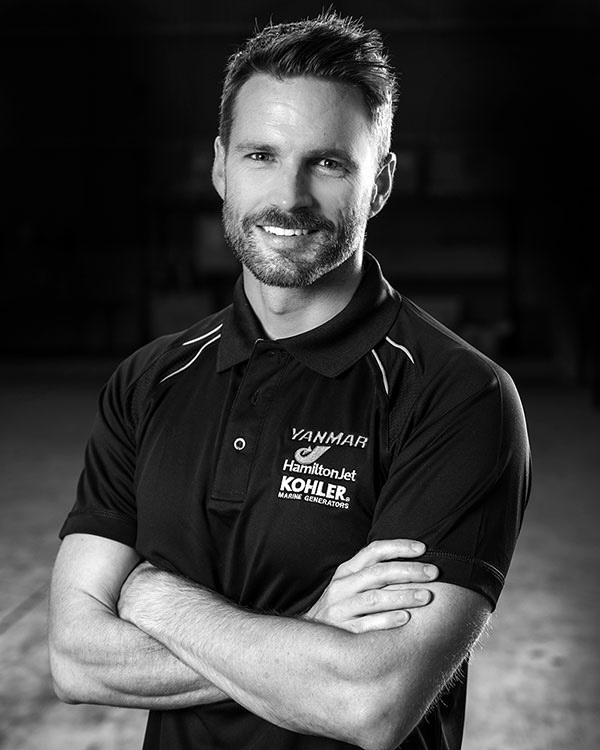
Jamie de Jong of Seascape Marine
Short-range ferries, harbour craft, tenders, day boats and vessels operating predictable routes may already offer compelling opportunities for electrification. Offshore cruising yachts and long-range commercial vessels face a very different set of requirements.
The panel will move beyond broad environmental claims to consider the factors that determine whether an electric or hybrid system makes operational and commercial sense. These include battery capacity and weight, vessel range, charging time, safety, maintenance, lifecycle costs, battery replacement and residual value.
The discussion will also explore whether hybrid propulsion should be regarded simply as a transitional technology or as the most appropriate long-term solution for certain vessel categories.
For African marine markets, the infrastructure question is particularly important. Electricity availability and grid reliability vary significantly between destinations, while marinas considering charging facilities may require greater electrical capacity, renewable generation and energy-storage solutions. At the same time, the development of new marine infrastructure could give emerging markets an opportunity to adopt more advanced systems without first following the same pathway as established boating destinations.
Bruce Robinson from Powersol, importers of MG Energy Systems, said the conversation needed to remain grounded in how vessels are actually designed, used and supported.
“Electric propulsion is not a single solution that can simply be applied to every vessel. The right system depends on the vessel’s operating profile, energy requirements, available space, weight considerations and charging environment. What is exciting is that battery and energy-management technologies are advancing rapidly, creating viable opportunities across a growing number of marine applications. The industry now needs informed conversations that distinguish proven capability from expectation and help boatbuilders and operators make sound long-term decisions.”
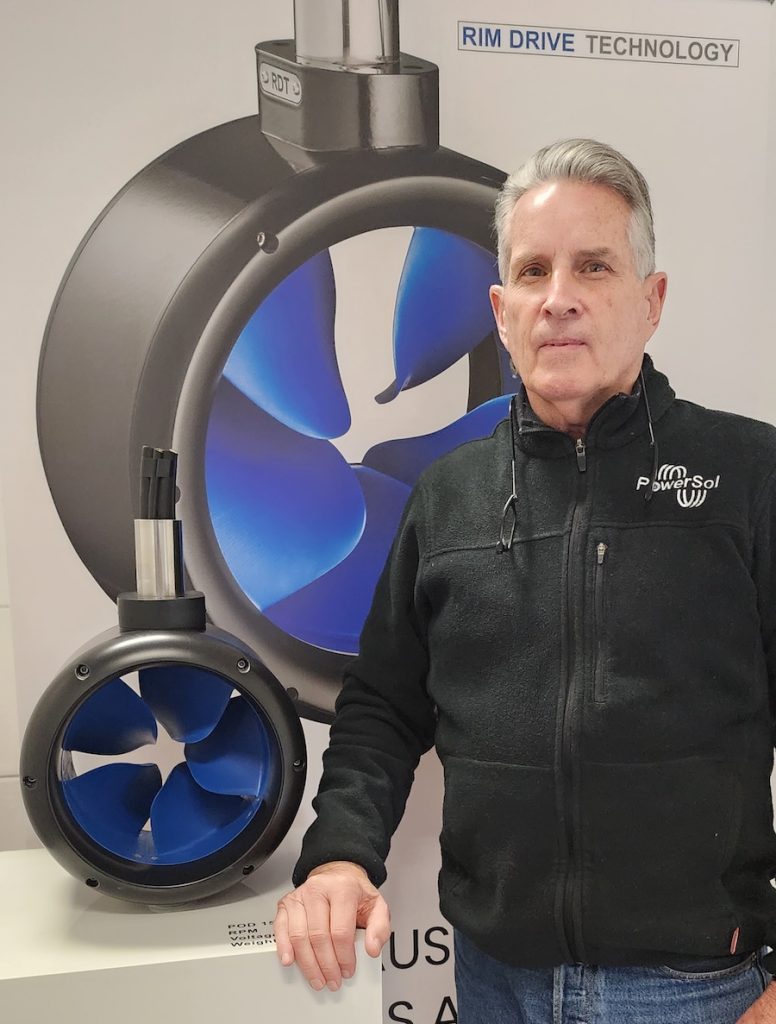
Bruce Robinson from Powersol
Conference organiser Veda Pretorius advised the session reflected the African Boating Conference’s commitment to practical discussions with direct relevance to industry.
“Electric propulsion presents significant possibilities, but the industry also needs an honest assessment of its present limitations,” Pretorius said. “By bringing together expertise from energy systems, product development, electrical design and yacht building, this panel will give delegates a clearer understanding of what is achievable now, where hybrid solutions may offer the strongest case, and what must happen for the market to progress.”
The session is intended to provide boatbuilders, commercial operators, marina developers, equipment suppliers and investors with a realistic assessment of the technology and the opportunities emerging around it.
The African Boating Conference will take place in Cape Town on 20–21 October 2026, bringing together African and international representatives from the marine industry, government, investment, manufacturing, boatbuilding, marina development and related sectors.
For more information, visit www.africanboatingconference.com