After three years of focused development, testing and refinement, carbon fibre tender specialist ONETenders is moving into its next phase of growth, opening discussions with selected dealers and distributors in key international marine markets.
At the centre of the brand is a simple philosophy: ONE vision. TWO hulls.
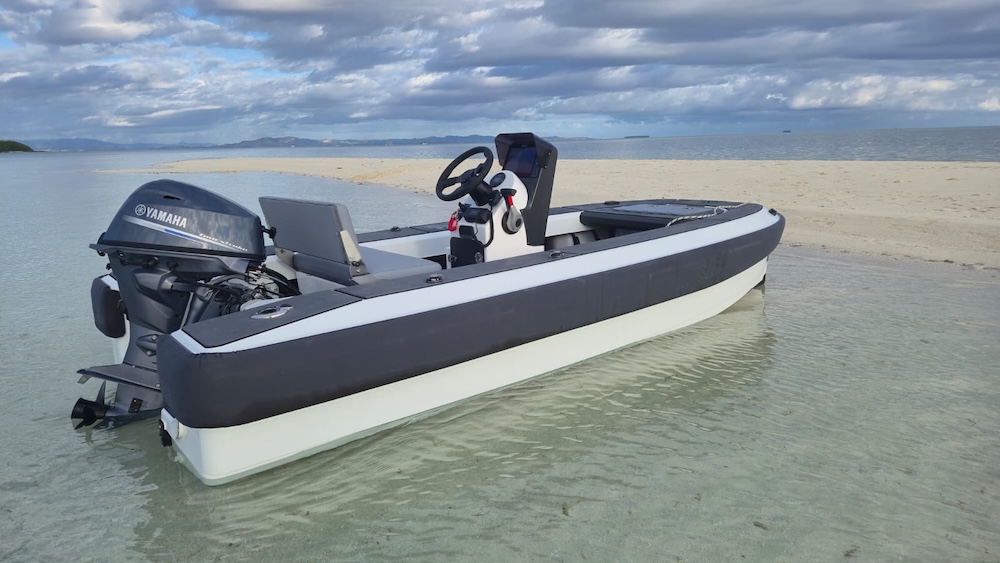
That vision is to create compact rigid tenders that combine lightweight construction, exceptional usability, stability, versatility and genuine seakeeping performance, without forcing owners to accept the compromises traditionally associated with small tenders.
The result is two distinctly different platforms built around the same underlying design philosophy: the M-Series monohull and the C-Series catamaran.
Rather than building numerous boats for narrowly defined applications, ONETenders has focused on creating two adaptable hull platforms capable of serving a wide range of roles.
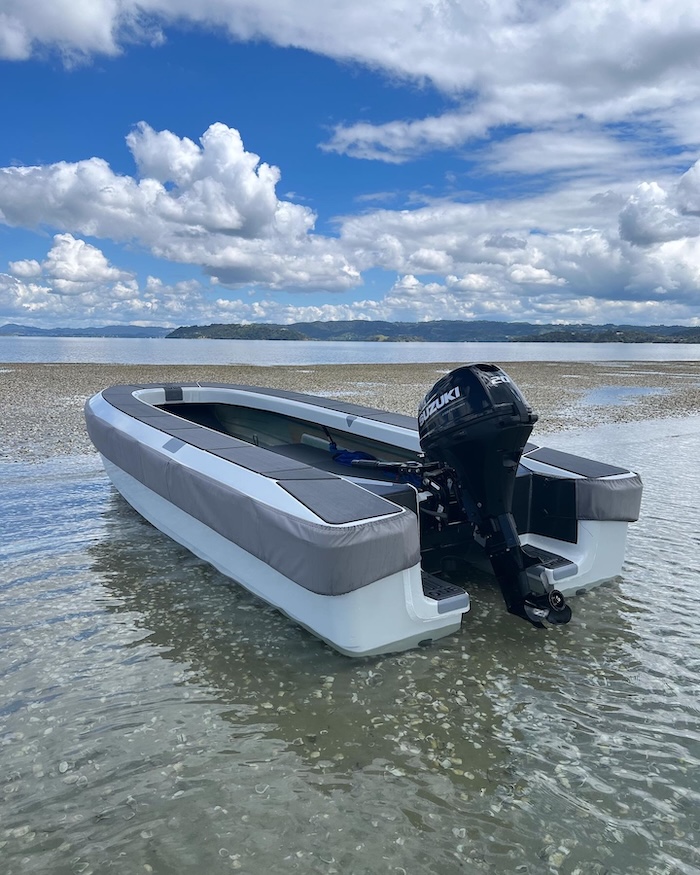
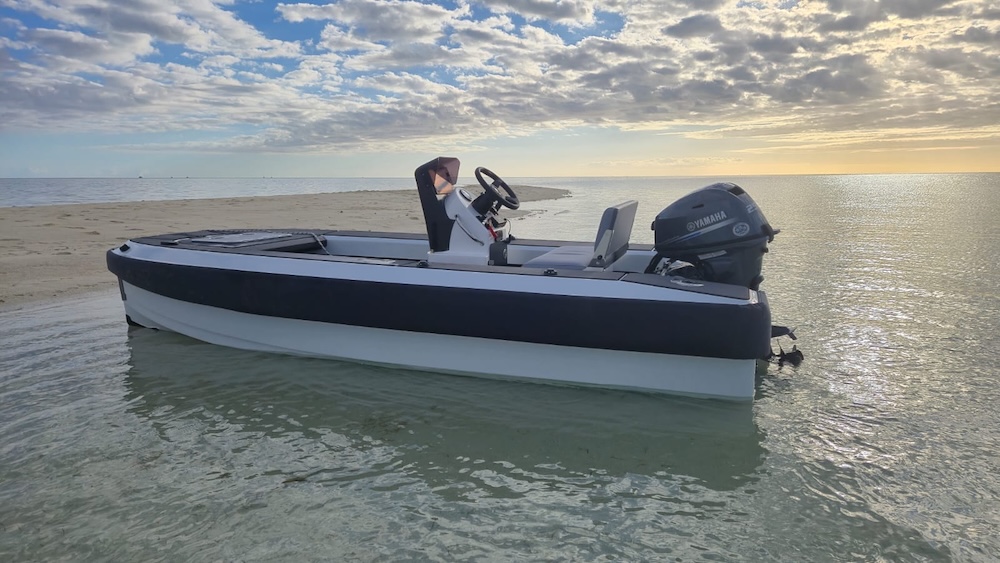
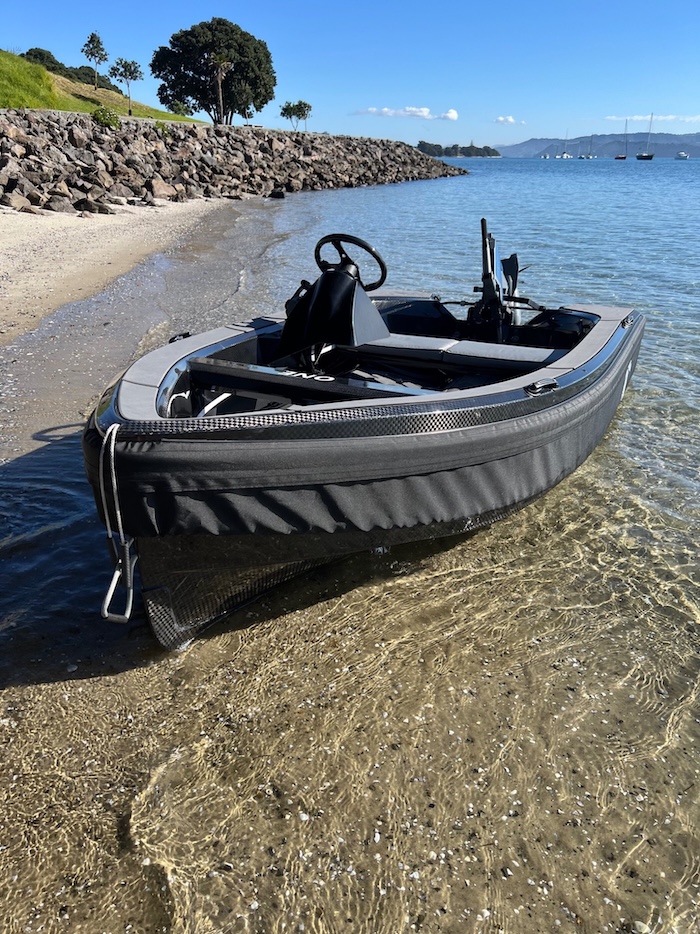
The M35 is a 3.5-metre monohull offering a lightweight, responsive and versatile traditional tender platform.
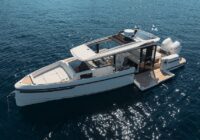
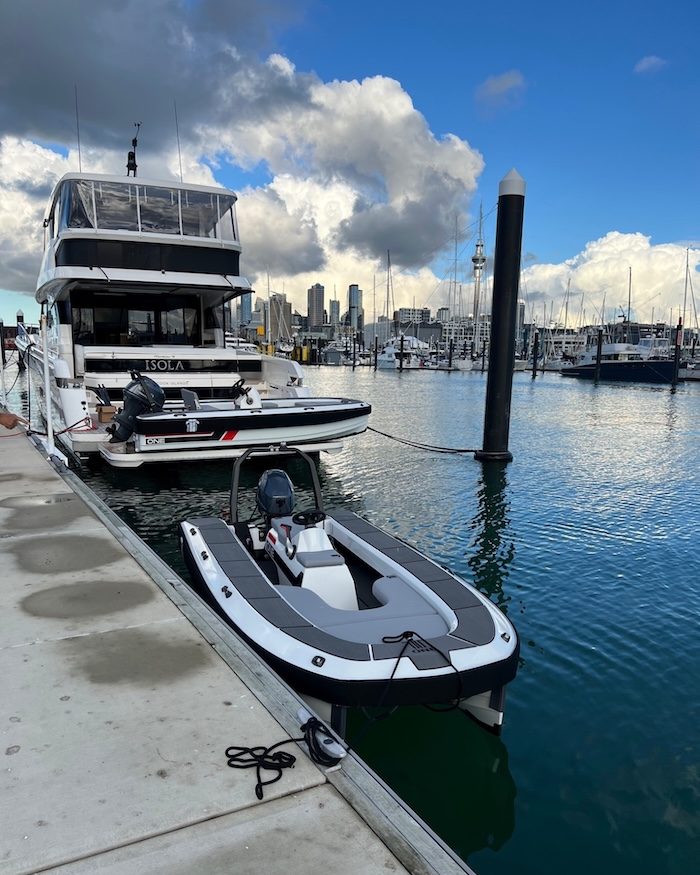
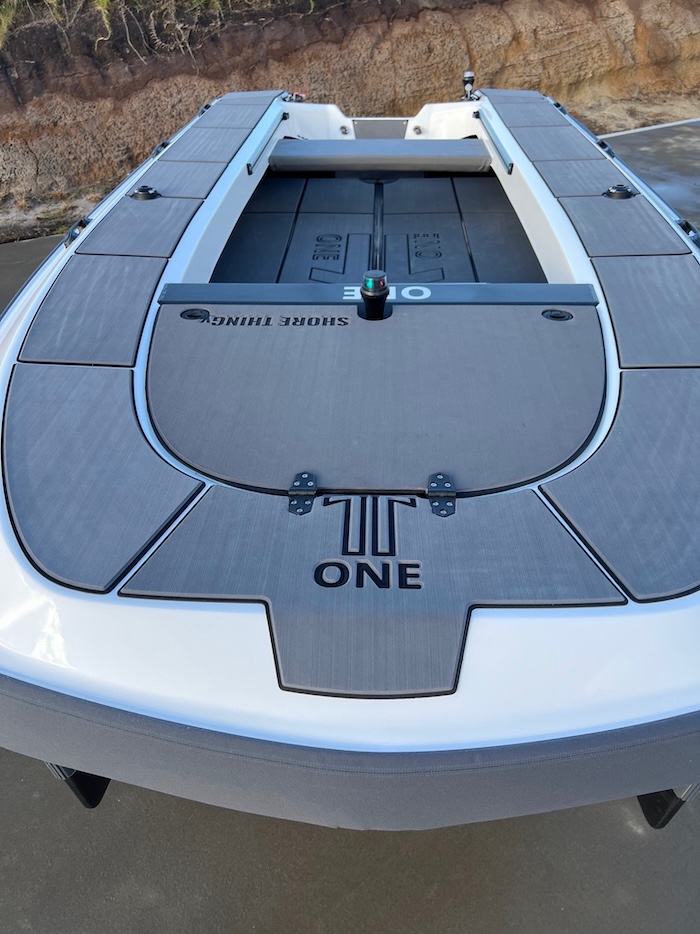
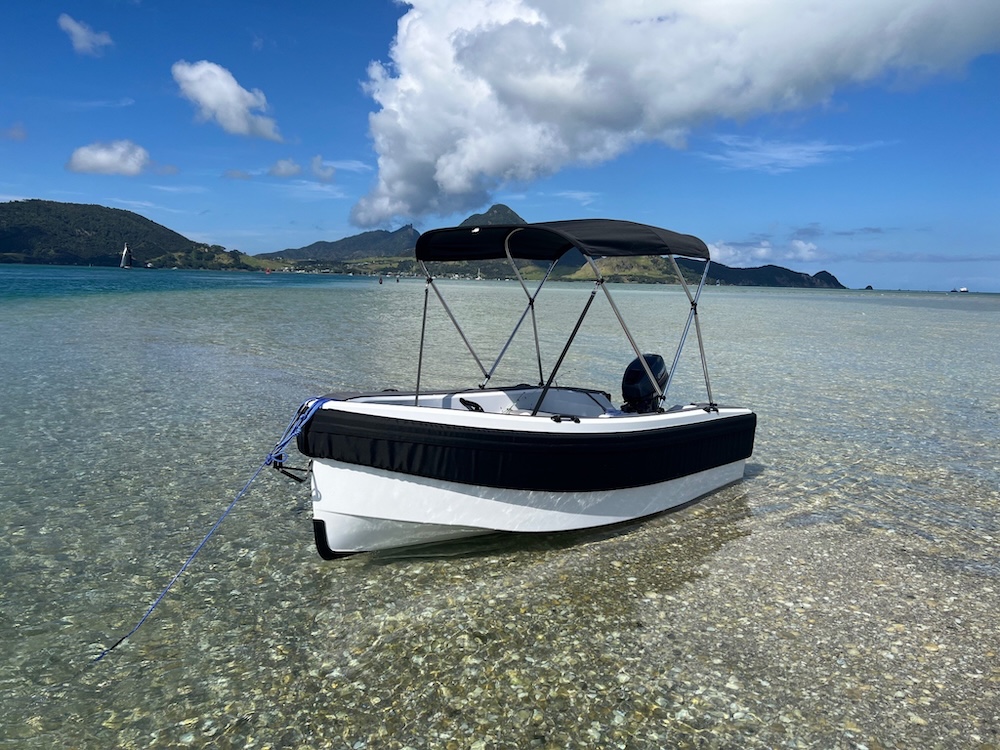
The C-Series takes a different approach, using a catamaran hull form to maximise stability, usable space and confidence at rest. The range currently includes the 3.5-metre C35 and 4.2-metre C42.
Together, the two platforms allow owners and dealers to choose between distinctly different hull characteristics while remaining within one product family.
Starting again from the hull up
ONETenders was born from taking a close look at the rigid tenders already available in the market and asking a simple question: What would we change if we could start again?
Many existing rigid tenders perform one part of the job extremely well, but often require compromises elsewhere whether that is weight, usable interior space, stability, layout flexibility or ride quality.
The ONETenders approach was to take those learnings and begin with a clean sheet.
“We looked closely at what was already available and the compromises owners were being asked to accept,” say ONETenders founders Grant and Emma Nelson.
“Our goal was to rethink the package rather than simply produce another version of what already existed.”
That meant placing seakeeping at the centre of the design brief alongside low weight, usable space and stability.
“We wanted to create what we believe is the ideal modern rigid tender – compact and lightweight, but with the ride and seakeeping capability to match the environments in which yacht tenders actually operate.”
The result is a product range designed not simply around dimensions or horsepower, but around the experience of actually using the boat.
Built for more than the trip from yacht to shore
ONETenders believes a modern tender should do considerably more than transport guests between a yacht and the dock.
Both platforms have therefore been designed around multiple uses.
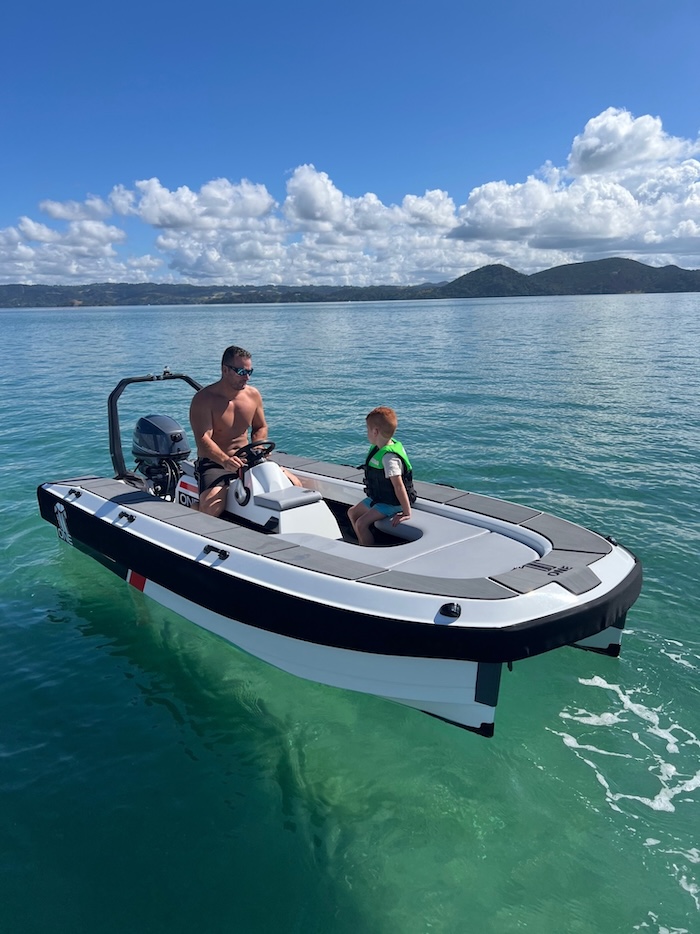
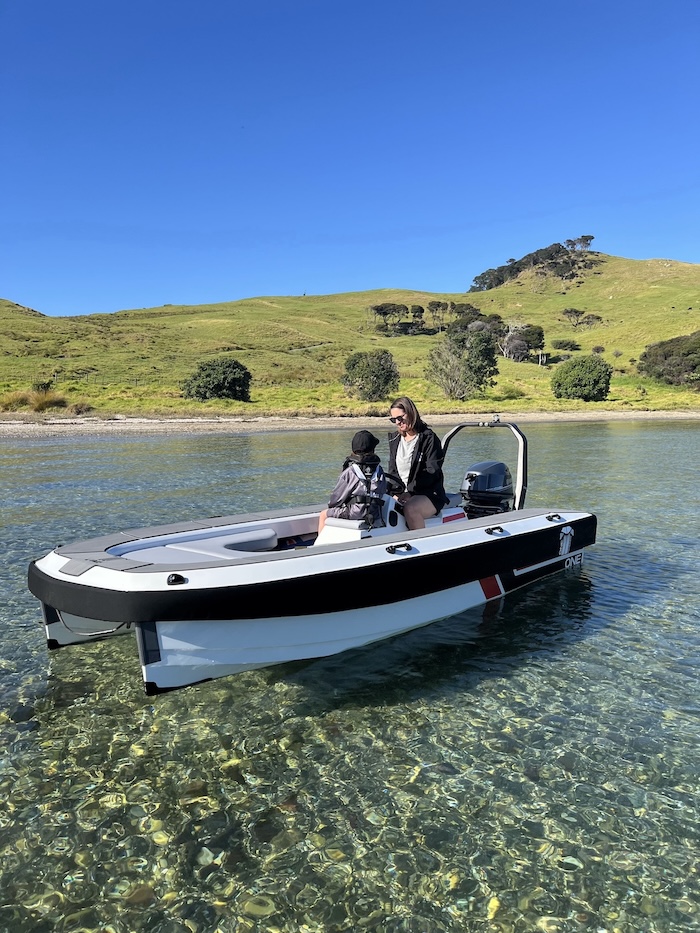
Yacht tendering and guest transfers remain central to the range, but the same boats can be used for family adventures, diving, fishing, watersports, exploring anchorages and general recreational boating.
“A tender may be moving guests in the morning, taking the family exploring in the afternoon and being used for diving, fishing or watersports the following day,” says Nelson.
“We wanted the boats to be genuinely useful across all of those roles.”
Multiple seating, console and open-layout configurations allow each platform to be adapted around different customer requirements, from simple tiller-steer layouts through to more developed console configurations.
This flexibility is particularly important in the yacht market, where the same tender may need to satisfy the requirements of owners, captains, crew and guests.
Lightweight by design
Carbon fibre construction is fundamental to the ONETenders philosophy.
The boats utilise heat-cured prepreg carbon construction, allowing significant weight reduction while maintaining the structural strength and stiffness required for everyday marine use.
For yacht owners and builders, reduced tender weight can influence everything from davit capacities and tender-garage design to launching, retrieval and overall yacht weight.
For the person behind the wheel, the advantages are more immediate.
Lower weight allows responsive performance, easier handling and the ability to achieve strong performance without relying on excessive horsepower.
ONETenders has deliberately avoided designing its boats around a single propulsion technology.
The platforms can accommodate both traditional outboard propulsion and modern electric propulsion systems, allowing owners, dealers and yacht projects to select the propulsion package best suited to their operating requirements.
As electrification continues to develop across the marine industry, ONETenders sees propulsion flexibility as an increasingly important part of the platform.
Two hulls for different priorities
Although the M-Series and C-Series share the same philosophy, they offer very different characteristics on the water.
The M-Series provides the familiar handling and performance characteristics of a monohull in an exceptionally lightweight package.
The C-Series was developed for owners who place a particularly high value on stability, usable floor area and confidence when moving around the boat.
Its twin-hull configuration creates considerable usable beam within a compact overall length, making it particularly suited to guest transfers, diving, family use and applications where stability at rest is critical.
The difference between the two platforms is intentional.
ONETenders does not believe there is one hull form that is perfect for every owner or every application.
Instead, the brand offers two approaches to the same objective.
ONE vision. TWO hulls. Multiple uses.
Three years of development before expansion
ONETenders has taken a deliberately measured approach to building the brand.
Rather than rapidly appointing dealers while the products were still evolving, the company has spent the past three years developing the range, refining construction, testing configurations and establishing a manufacturing platform capable of supporting future growth.
Only now is the company beginning to actively expand its international dealer and distribution network.
“We have intentionally taken our time,” says Nelson.
“The priority was to get the product, manufacturing and overall proposition to a point where we felt confident bringing the right international partners into the business.”
ONETenders is currently in discussions with a small number of potential partners worldwide and is seeking established marine businesses in selected markets.
The company sees particular potential among yacht dealers, tender specialists, marine distributors, yacht brokers and businesses already connected with yacht owners, captains, resorts and premium recreational boating customers.
Choosing partners, not simply territories
The objective is not to create the largest possible dealer network.
ONETenders says it is looking instead for businesses capable of genuinely developing the brand within their markets.
“We’re still a family business, and that influences the way we want to grow,” says Nelson.
“We’re interested in partners with strong local relationships, good customer service and a genuine belief in the product.”
“We would much rather work closely with the right dealer or distributor in a market than appoint partners simply so we can say we have representation everywhere.”
That approach also allows the company to work with partners on how each platform is best positioned within different regions.
In some markets, ONETenders expects the primary opportunity to remain premium yacht tendering.
In others, the stability and versatility of the C-Series or the lightweight performance of the M-Series could allow the boats to develop substantial standalone recreational markets as well.
The next chapter
With the development phase increasingly behind it, ONETenders sees international distribution as the next major chapter for the brand.
The company believes the combination of lightweight carbon construction, two highly differentiated hull platforms, propulsion flexibility and multi-use capability gives dealers a proposition that sits outside the conventional rigid-tender formula.
For ONETenders, however, the core idea remains the same one that started the project.
- Create a better compact boat.
- Make it more usable.
- Give it the stability and seakeeping expected from something considerably larger.
- And make sure owners want to use it for far more than simply getting ashore.
ONE vision. TWO hulls. Multiple uses.
ONETenders – Built Different.
For more information, visit www.onetenders.com