Tassie’s scallop season is open!
Diving safety reminder
The much-anticipated Scallop season is in full swing, making it a popular time on the water for many Tasmanians. With more boats and divers sharing coastal waters, everyone needs to stay alert and follow the safe boating and diving rules.
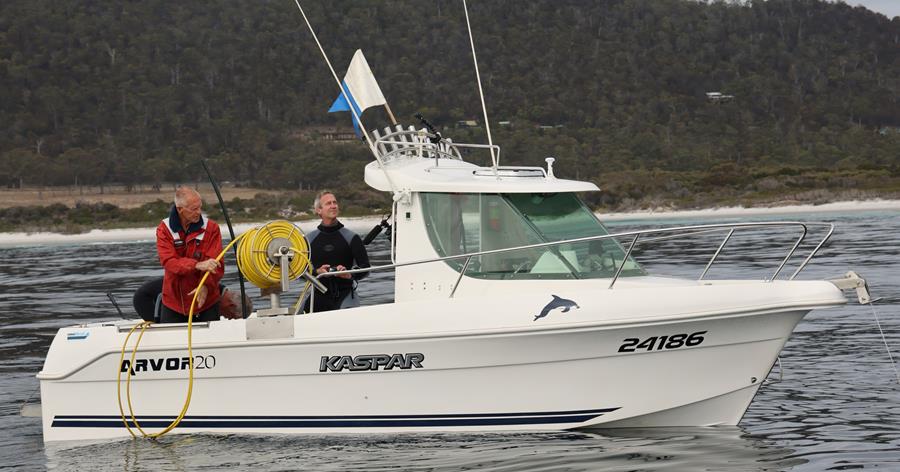
Whether using scuba or hookah equipment, taking a few simple precautions helps to make diving enjoyable, safe and incident-free.
Equipment
Ensure you have the appropriate training for the equipment you are using and the type of dive planned. Regularly inspect and properly maintain all dive equipment to reduce the risk of failure underwater.
Share the experience
Always dive with a buddy and, when using hookah equipment, ensure there is a competent person on the surface monitoring air supply, hoses and the vessel.
Personal safety steps
Know and stay within recommended depth limits and dive times, monitor your dive, and use slow, controlled ascent rates with safety stops as required.
Mark the diving spot
A dive flag must always be displayed. International Code Flag ‘A” indicates divers below and requires vessels to slow to 5 knots when within 120 metres.
MAST has recently produced a new Diving Safety video that was filmed on Tassie’s East Coast – an area noted for some excellent diving. Regardless of where you are diving (there are many excellent spots around Tasmania), take the time to watch this to refresh your key diving safety tips.
Safety Spotlight – Maintaining and storing safety equipment
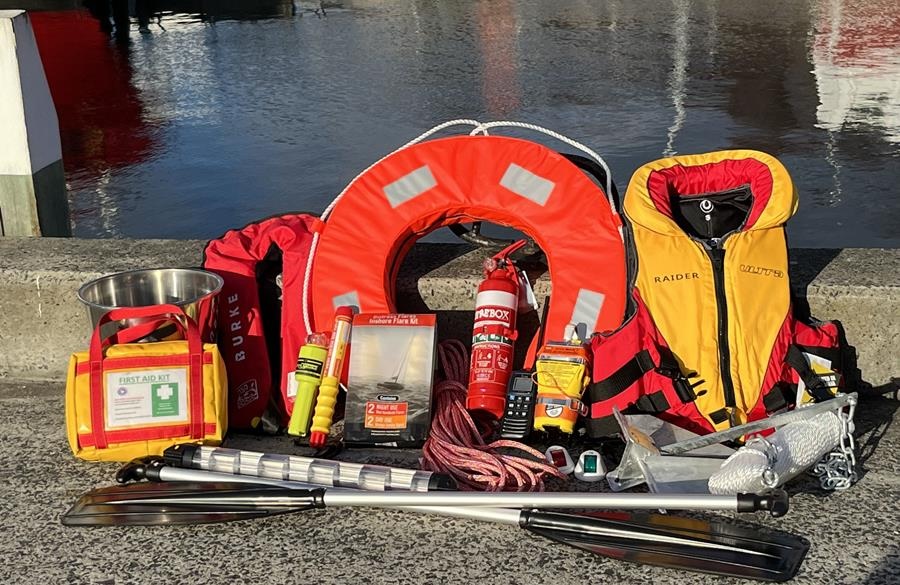
Maintaining and storing safety equipment on boats is essential to ensure it functions properly and is easily accessible in an emergency.
Inspection and servicing
All safety gear, such as life jackets, fire extinguishers, flares, first aid kits, and emergency beacons, should be regularly inspected for damage, wear, and expiry dates. Equipment must be kept clean, dry, and free from corrosion, especially in the harsh marine environment where salt and moisture can quickly degrade materials, compromising their viability. Life jackets should be regularly checked and inflatable serviced in line with the manufacturer’s instructions.
Storage
Storing your equipment properly is just as important as maintenance. Safety equipment should be easily accessible, clearly marked, and stored in designated locations known to everyone on board. Heavy or bulky items must be secured to prevent movement or potential loss in rough conditions. Keeping safety equipment organised and ready for immediate use can greatly improve response times and help protect lives when emergencies occur at sea.
Be prepared
MAST recommends you take the ‘30 Second Challenge’ to see if you can access all the necessary safety equipment on your vessel quickly and easily.
Paddling safety – lighting
Now that Daylight Savings has ended and the days are growing shorter and chillier, paddling safety in Tasmania is even more important. Over the late Autumn and Winter seasons, the state’s cold waters, rapidly changing weather, and exposed coastlines deliver extra challenges for paddlers.
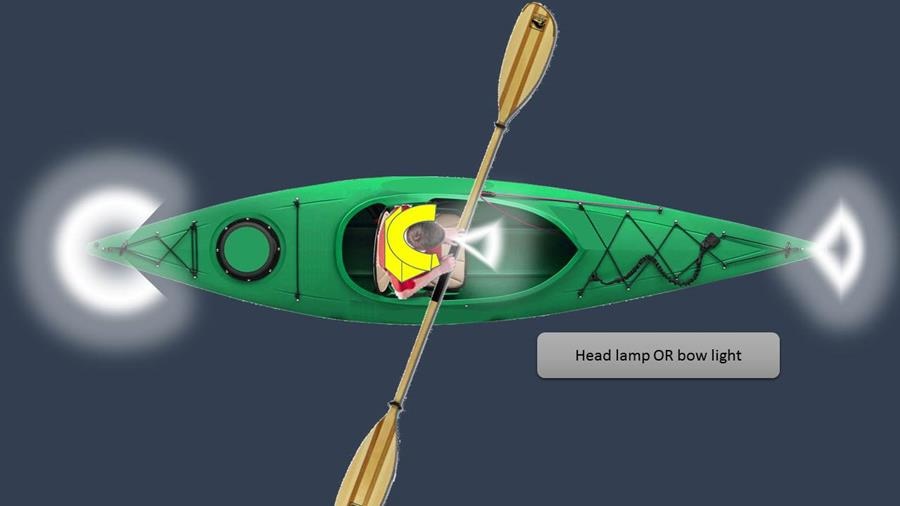
Anyone using kayaks, canoes, or stand-up paddleboards should always wear an approved personal flotation device, as cold shock can quickly reduce strength and coordination if you end up in the water. Checking weather forecasts, tides, and wind conditions before heading out is essential, as conditions can worsen with little or no warning. Paddlers should stay close to shore, avoid busy shipping areas, and hazardous areas such as rocks.
Have safety at the front of mind
Carrying basic safety equipment, such as a waterproof communication device, appropriate clothing and a tether (making sure it is attached), can greatly improve survival in an emergency.
It is also important to paddle within your skill level and inform someone on land of your trip plan and expected return time. If paddling between sunset and sunrise, you must have appropriate lighting clearly displayed. Practising self-rescue skills and understanding local regulations and waterway use not only improve safety but also help make trips stress-free and enjoyable.
A new way to access your Boating Services
There’s now a simpler way for MAST customers to manage their boat services online. When it’s time to renew a motor boat licence, motor boat registration or a mooring permit, you can access these services through your myServiceTas account.
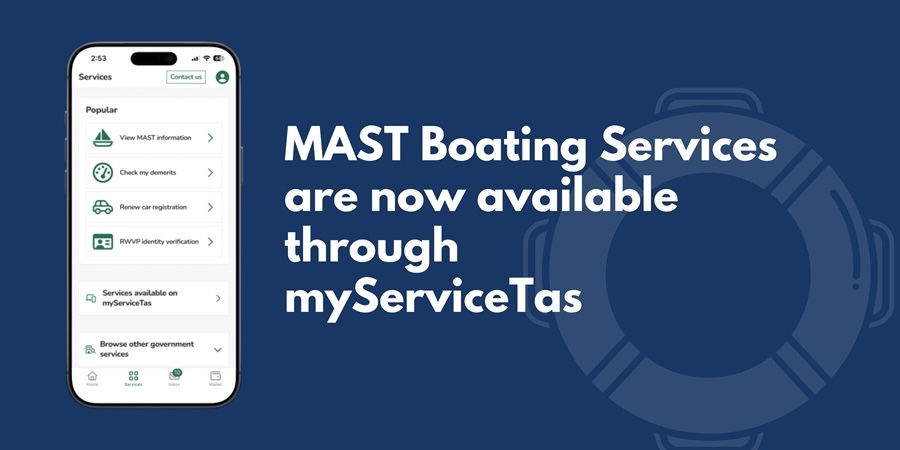
Once you’re logged in to myServiceTas, and your boat services are linked to your account, you can see the status of your existing MAST services and pay for renewals, all in the one place, just like vehicle and trailer registrations and licensing.
MAST Portal users
Now is the time to streamline accessing your MAST boating services via myServiceTas rather than directly through the MAST portal. The new process makes it quicker to find the MAST services you need.
New to myServiceTas?
Registration is easy via the myServiceTas website or app. Once your account is set up, you can link your MAST services and manage renewals anytime.
Already registered to use myServiceTas?
Your existing login details stay the same. Simply sign in to your myServiceTas account and link your MAST boat services to start viewing their status and pay for renewals.
Please note: myServiceTas allows you to view and renew only existing boat services. New applications must still be submitted through the MAST Portal or at a Service Tasmania service centre.
Need a hand getting started?
Visit a Service Tasmania shop or call 1300 135 513 for support.
MAST AGFEST Boat Show 2026
The countdown is on for AGFEST!
Presented by Rural Youth Tasmania, MAST is proud to be a Silver Sponsor of AGFEST. The MAST AGFEST Boat Show will once again bring together many of Tasmania’s boating and maritime businesses as part of the site.
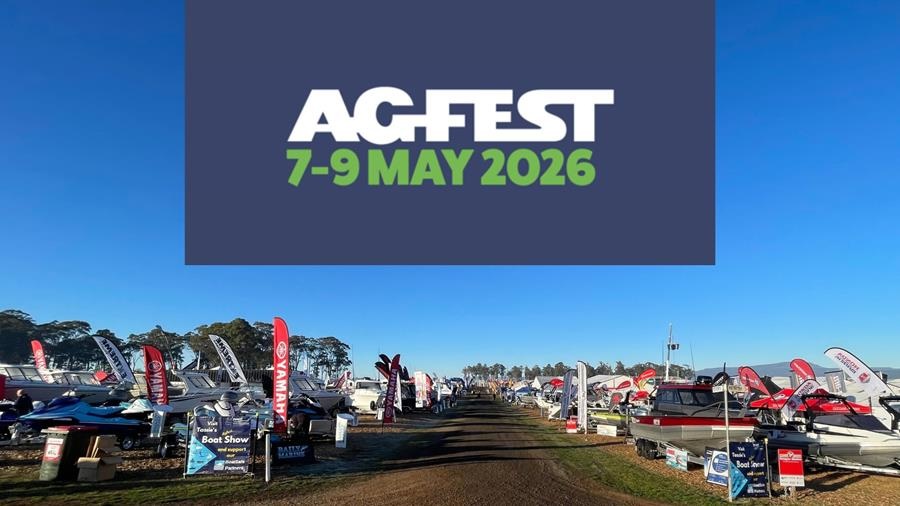
The MAST team will also be on-site to speak with visitors about boating safety in Tasmania and to answer any questions that you may have.
MAST site details: M66, Main Street and Seventh Avenue
Event location: Quercus Park, 415 Oaks Road, Carrick, Tasmania
Infrastructure update
Lake Crescent Boat Ramp Landing Stage
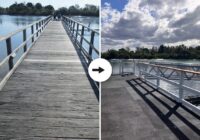
Construction of a new landing stage at Lake Crescent has now been completed. The new structure was built alongside the existing boat ramp and consists of timber piles and sub-structure with Fibre Reinforced Polymer (FRP) decking. The landing stage has multiple levels connected by ramps to allow easier use at different lake levels.
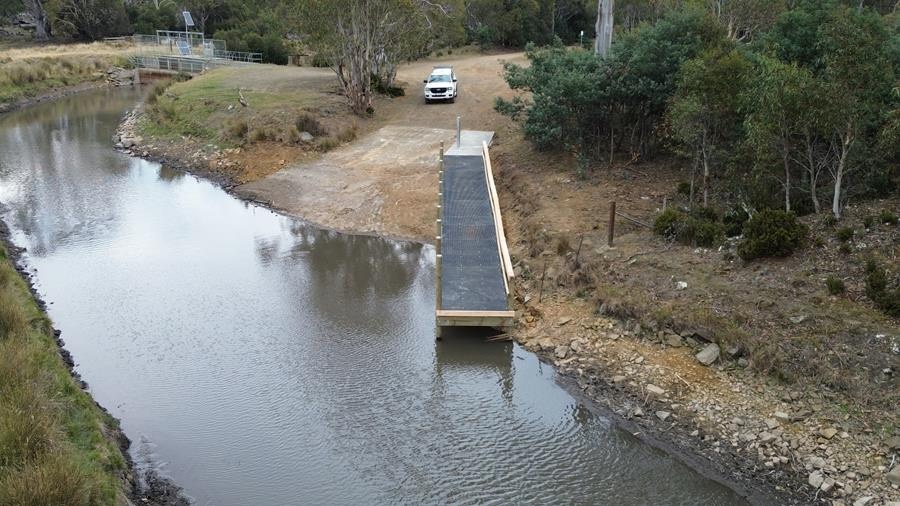
Birdseye view of the Lake Crescent Boat Ramp Landing Stage.
Gordon Jetty
The replacement of the Gordon Jetty is on track to commence in mid-2026. MAST has appointed a contractor for the project, and the works will take between 4 and 6 months to complete, depending on the weather and material availability.
Sister’s Beach Boat Ramp Landing Stage
Works to replace this facility commenced after Easter and are scheduled to take approximately 2-3 months. The timber jetty will be removed and replaced with a stepped concrete structure, allowing for better access to boats from the landing stage at lower tides.
Battery Point Jetty repairs
When a contractor is appointed, work will start to remove defective concrete, treat steel reinforcement where required, and make concrete patch repairs. The purpose of the work is to extend the structure’s remaining life for another 10-15 years.
Time for maintenance
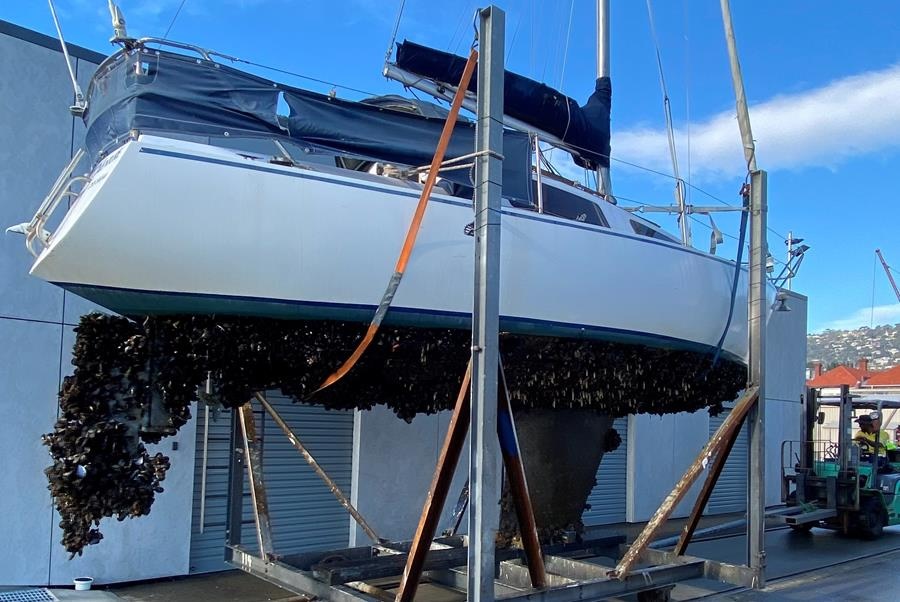
Winter traditionally presents a little downtime for boating, but don’t let this time go to waste. After a busy season, your boat likely needs attention, and now is the time to review your maintenance schedule. If you have a mooring, check that its maintenance schedule is up to date too.
Along with the new Diving Safety video, MAST will be publishing more videos on the MAST YouTube channel over the coming months. If you do not already follow MAST on YouTube and other social channels, please do so to ensure you are notified when new videos are released. What you learn will not only keep you safer on the water but could save your life in an emergency.