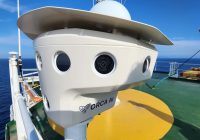
MARSS has successfully completed Phase 3 testing of the ISO 21195 standard for man-overboard (MOB) detection systems – a rigorous, internationally recognised benchmark, designed to verify real-world performance and reliability on operating vessels. This milestone further establishes MARSS’ MOBtronic solution as the leading system proven to meet ISO requirements through real-world on-ship testing.
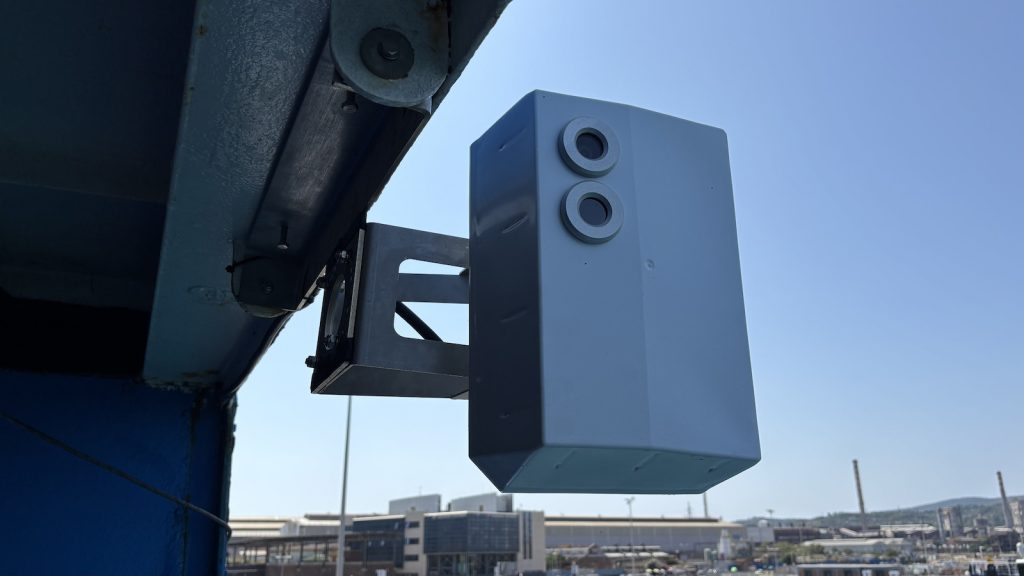
The ISO 21195 standard defines the minimum required performance for automatic man-overboard detection systems used on passenger ships. It was developed collaboratively by maritime regulators, operators and technology providers to define a reference framework against which MOB detection technologies have to be evaluated.
Tested and proven on an operational vessel
Phase 3 of the ISO process represents the final and most demanding step in the certification, requiring the full installation of a system on an operational vessel, and long-term performance monitoring under live conditions.
For MARSS, this latest result follows the successful completion of Phases 1 and 2, which verified technical and controlled-environment performance. During Phase 3, MOBtronic was installed on a vessel operating in the Mediterranean, with testing conducted and witnessed by an independent classification body.
The assessment included more than 90 days of continuous operation, during which the system automatically logged and categorised all events to measure false-alarm rates. MOBtronic recorded an average of just 0.45 false alarms per day, well within ISO requirements of an average of fewer than one false alarm per day.
Each alarm was immediately displayed to the ship’s crew via the onboard console, providing instant video replay to verify the cause. Any false alarms – typically caused by environmental factors such as ship operations, birds or cleaning activities – were confirmed and ruled out by the crew within seconds, preventing any operational disruption.
100% detection success
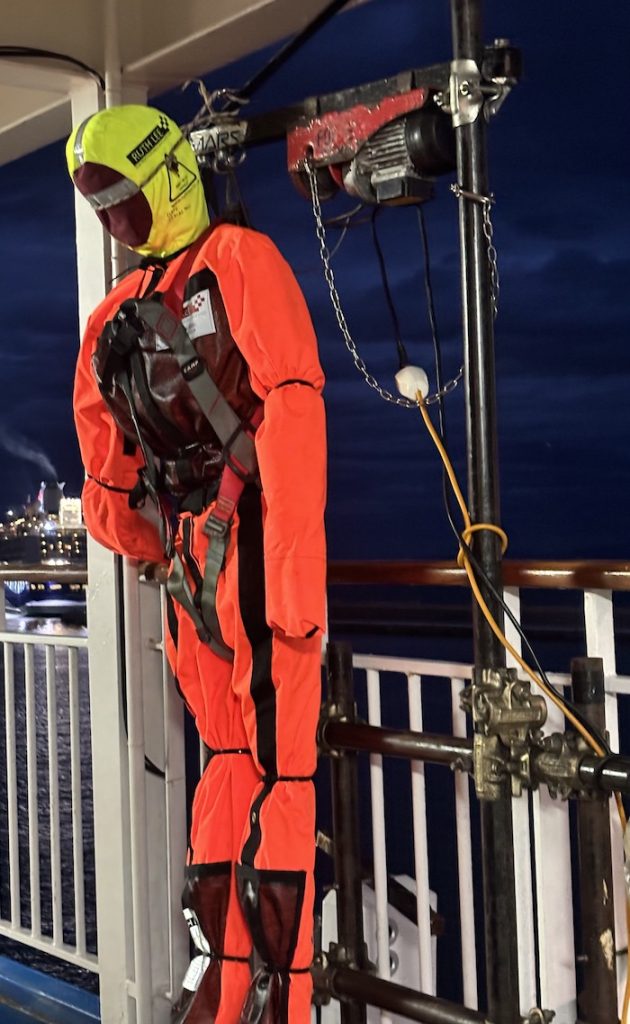
As part of this extended monitoring period, MARSS and the independent classification body also conducted more than 100 controlled test launches simulating man-overboard events in multiple positions around the vessel, at different distances from the hull, with different speed of fall, and all times of day and night. MOBtronic achieved a 100% detection rate, exceeding the ISO’s minimum requirement of 95% probability of detection
“This certification validates the years of research and real-world testing that have gone into making MOBtronic the most trusted man-overboard detection system available,” said Marco Cappelletti, Program Manager for Man Overboard Systems, at MARSS. “From controlled laboratory testing to extended trials on an operational vessel, each step has confirmed that MOBtronic delivers the performance, reliability and assurance operators rightly expect.”
A step forward for safety at sea
The successful completion of ISO Phase 3 not only demonstrates MARSS’ technical leadership, it also reinforces the viability of automatic MOB detection systems as a practical, deployable safety solution for passenger vessels worldwide.
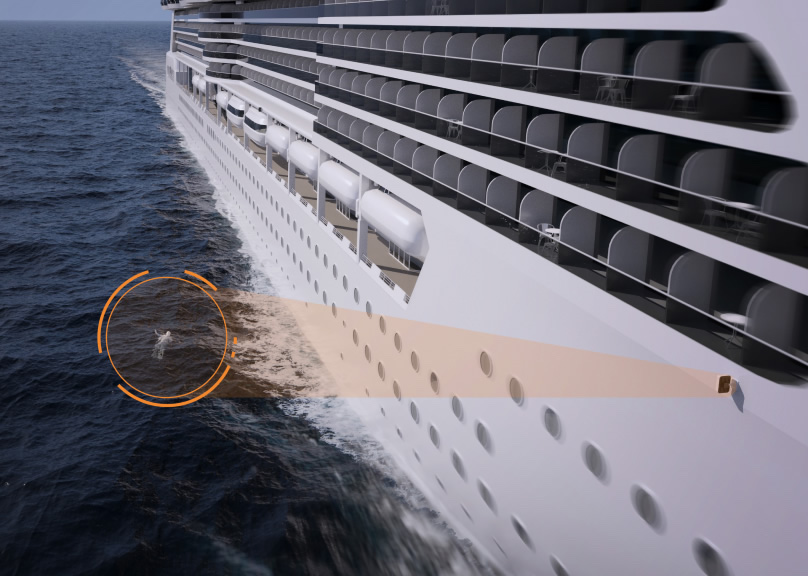
By detecting a man-overboard incident within seconds – and immediately providing crews with real-time replay, GPS position and alert data – MOBtronic gives operators the ability to initiate search and rescue operations immediately, significantly improving the chances of saving lives.
With all three phases of ISO 21195 testing now complete, MARSS is working closely with industry authorities and stakeholders to support the adoption of ISO-validated MOB systems across the global cruise and passenger shipping sectors.
“The completion of Phases 1, 2 and 3 set a major milestone in our path towards improving maritime safety and is the result of more than 10 years of R&D and experience with deployed MOBtronic installations around the world,” added Marco. “Our focus now is twofold – supporting operators with deployments and continuing to advance MOBtronic through sustained development to further enhance safety at sea.”
For more information, visit marss.com