Maritime Safety Queensland urges vessel owners to prepare now for severe weather, warning it may be too late to safely secure or relocate vessels once conditions deteriorate.
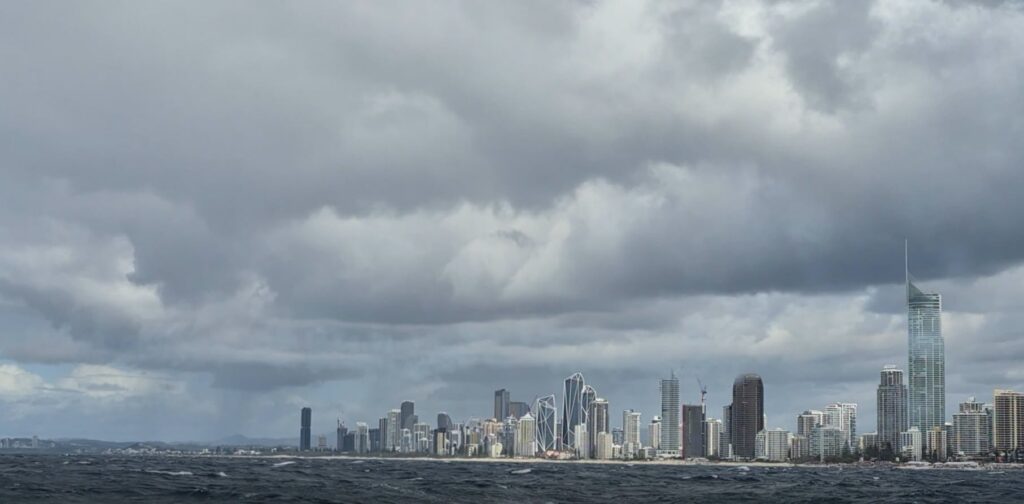
Queensland’s higher-risk weather season generally runs from October to April and can bring tropical cyclones, severe storms and flooding, creating dangerous, rapidly changing waterway conditions.
Before extreme weather, vessel owners should know how to secure their vessel, where to safely relocate it if required and what actions apply under their local Extreme Weather Event Contingency Plan.
Preparation should include checking the vessel is seaworthy, safety equipment is current, working and accessible, and moorings and storage arrangements suit local conditions.
Skippers and vessel owners must also check official forecasts, marine warnings, tides, local conditions and current waterway information before every trip.
Maritime Safety Queensland General Manager Kell Dillon said a severe weather warning signalled the time to act, not plan.
“A severe weather warning is the signal to act on your plan – not start making one,” Mr Dillon said.
“Delaying preparations until conditions deteriorate can put vessel owners, emergency responders and the wider community at risk.
“Know your local plan, decide now how to secure or relocate your vessel and have your safety equipment ready.
“Extreme Weather Event Contingency Plans outline arrangements for Queensland ports and regions, including actions vessel owners may need to take at different warning levels.
“Regional risks and requirements vary. Vessel owners must read their local plan and follow advice from their Regional Harbour Master and other official sources.
“Boaties should also understand the Australian Warning System’s Advice, Watch and Act, and Emergency Warning levels, and be ready to act when advice changes.
“Check official forecasts and waterway information before every trip. Stay off the water if conditions are uncertain or deteriorating – if in doubt, don’t go out.”
Extreme Weather Event Contingency Plans are available at www.msq.qld.gov.au/safety/preparing-for-severe-weather.
Current waterway information is available on the Maritime Safety Queensland Dashboard at qldmaritime.msq.qld.gov.au.
Maritime Safety Queensland reminds all boaties to check weather and waterway conditions before heading out and carry the required safety equipment.
Quotes from Maritime Safety Queensland’s Regional Harbour Masters for each Maritime Region
“Cyclones are a major risk across the Cairns region. Vessel owners cannot afford to wait for a warning to decide what to do.
“Depending on vessel type and location, preparations may include leaving a compulsory evacuation area early for cyclone moorings, creeks or mangrove areas.”
Maritime Safety Queensland’s A/Regional Harbour Master Cairns, Gary Walsh “Cyclones and flooding can quickly make waterways unsafe, leaving vessel owners little time to act.
“Owners should identify a secure location for their vessel now and remove trailerable vessels from the water well before conditions deteriorate. “Early action protects vessels, keeps waterways clear and reduces risks for emergency responders.
“Once warnings are issued, planning time is over. No vessel is safe when a cyclone of any strength is forecast to affect the area. Owners must be ready to act on their local plans.”
Maritime Safety Queensland’s Regional Harbour Master Townsville, Frank D'Souza “The Whitsundays has a large, diverse boating fleet but limited sheltered waterways when cyclones or strong winds threaten.
“Owners need to decide whether to relocate, secure their vessel in place or remove it from the water, and make arrangements well before severe weather arrives.
“Owners need to monitor forecasts closely throughout the high-risk weather season. Strong northerly winds can pose significant risks to vessels along the northerly coast, particularly near Airlie Beach. Owners must ensure their vessels are secured when these winds are forecast.
“Once warnings are issued, planning time is over. A vessel is never the place to be when a cyclone of any strength is forecast to affect the area. Owners must be ready to act on their local plans.”
Maritime Safety Queensland’s Regional Harbour Master Mackay, Craig Longmuir “Major rivers across the Gladstone region can rise quickly during extreme weather, bringing strong currents, weed, debris and rapidly changing navigation conditions.
“Owners should understand local warning levels, identify safe havens and act before floodwaters rise.
“Do not assume your usual mooring will remain safe – know the local plan and monitor official advice.”
Maritime Safety Queensland’s Regional Harbour Master Gladstone, John Fallon “Flooding, severe storms and east coast lows can make Brisbane’s busy waterways dangerous with little notice.
“Strong currents, flood debris and vessels breaking free of moorings can endanger other waterway users and waterfront communities.
“Owners should decide now whether it is safest to secure their vessel in place, relocate it or remove it from the water.”
Maritime Safety Queensland’s Regional Harbour Master Brisbane, Glenn Hale