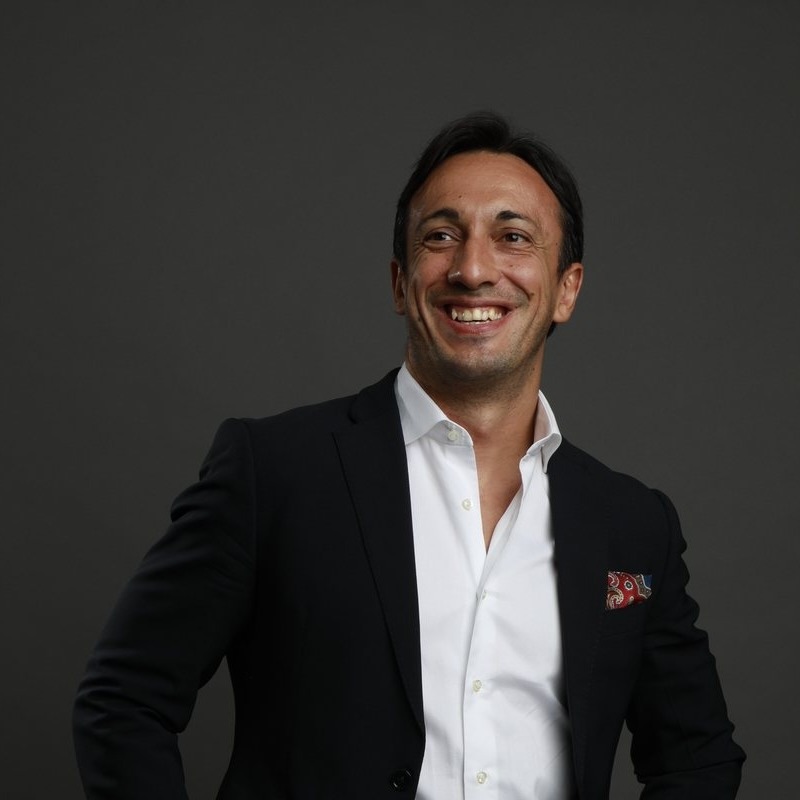
By Giuseppe Cicatelli, Grand Caribbean Marinas, Puerto Rico
When Blackstone agreed to buy Hamilton Island in December, most of the coverage was about the resort and the golf course. From where I sit, in Puerto Rico, the detail that stood out was the marina. Eight months earlier the same firm had paid US$5.65 billion for Safe Harbor, the largest marina network in the United States, which has since agreed to take on the MarineMax marinas for another US$1.5 billion.
Hamilton Island was bought by a different part of Blackstone, as a tourism asset. But the capital reshaping the American marina market now holds a berth in Australian waters.
I operate six marinas in Puerto Rico, the Caribbean end of the year-round boating market that runs down through Florida and the Gulf, under the same flag and the same capital. Safe Harbor’s largest Caribbean marina sits in Fajardo, a few miles from ours. I will not tell Australian operators what the American wave means for them, only what it looks like from inside it.
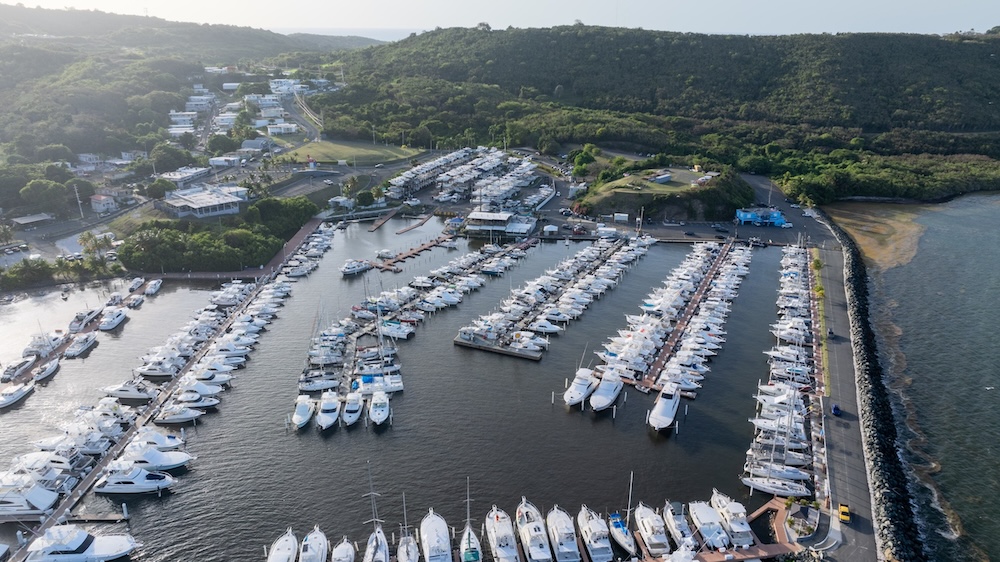
Marina Puerto Chico in Fajardo, one of the six Grand Caribbean Marinas owned and operated by Giuseppe Cicatelli in Puerto Rico.
From leisure to infrastructure
Until quite recently, an American marina was a leisure business, valued like the restaurant or hotel it was attached to: on this year’s trading, with a discount for weather and whim. What changed is not the marinas but their category, and you can read the shift in the ownership of the largest group.
Safe Harbor was formed in 2015 by American Infrastructure Funds. In 2020 it was bought for US$2.1 billion by Sun Communities, a real estate trust whose business was manufactured-housing and RV parks. In 2025 it was sold again, for US$5.65 billion, to Blackstone’s infrastructure arm. Leisure, then real estate, then infrastructure, in ten years.
What the new category pays for
Once a marina is infrastructure, the buyer is paying for the berth, the land and the recurring storage income, and is wary of anything that depends on particular people. The restaurant, the yard and the charter desk become tenants, valued separately and often not at all.
We felt that in our own numbers. After Hurricane María we rebuilt commercial space and let specialist operators run it, which showed us which income is ours and which is a tenant’s. We now separate annual storage customers from short stays and record why each boat leaves. A full marina on the day of a visit impresses nobody; the same owners back for a fifth year does.
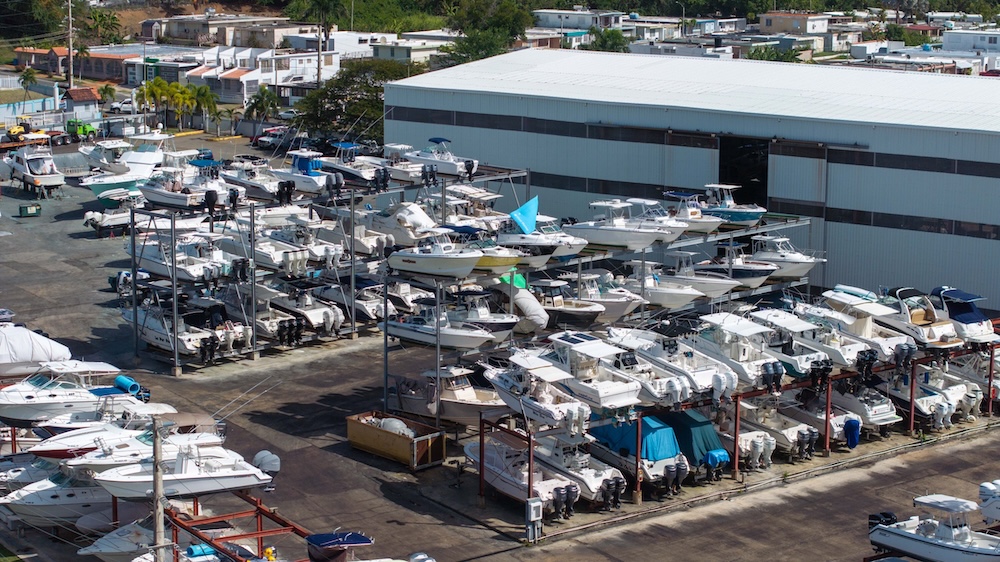
The covered dry stack at Villa Marina, Fajardo: recurring storage income of the kind infrastructure buyers now pay for.
Looking across the water
Australia’s largest network has already made the same journey. d’Albora sat inside Ardent Leisure, a theme park and bowling company, until 2016, and since 2023 has sat in an MA Financial fund that calls it a real estate alternative. The words differ; the direction is the same.
I began my career in investment banking before I even founded a marina group, and my expectation is that the journey is not finished. In the United States, infrastructure capital brought the largest cheques and the longest holding periods, and I see no reason the logic would stop at the Pacific. The firm that more or less invented infrastructure as an asset class, and remains its largest manager in the world, is Australian. Macquarie already holds half of Port of Newcastle and has just taken Qube private. I have no idea whether marinas are on anyone’s screen in Martin Place. I would only be surprised if they never were.
Whether that happens on leasehold tenure is for Australians to judge. But Queensland and the Southeast US share year-round boating and a storm season, and if the category has moved, the questions an owner is asked move with it: who renews, which income is really ours, and what would run without us.
About the author
Giuseppe Cicatelli is Founder and Principal of Bacalia Group, based in San Juan, Puerto Rico, and owner and operator of Grand Caribbean Marinas, a network of six marinas in Puerto Rico serving about 3,000 boats, 50 tenant businesses and 1,000 jobs. A former investment banker, he led the US$50 million rebuilding of the marinas after hurricanes Irma and María and writes on marina investment and operations from the perspective of an owner-operator in the US Caribbean.
More at giuseppecicatelli.com.