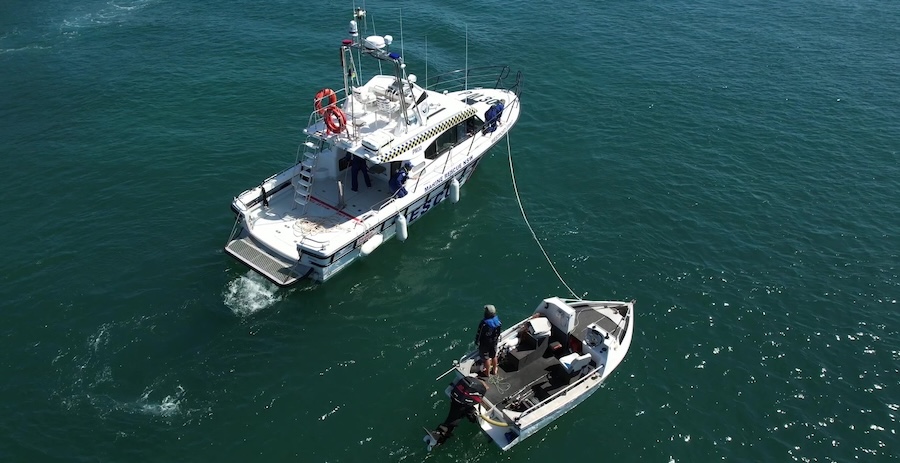
When a Marine Rescue NSW crew heads out to help someone on the water, the people who made that response possible are not all aboard the rescue vessel.
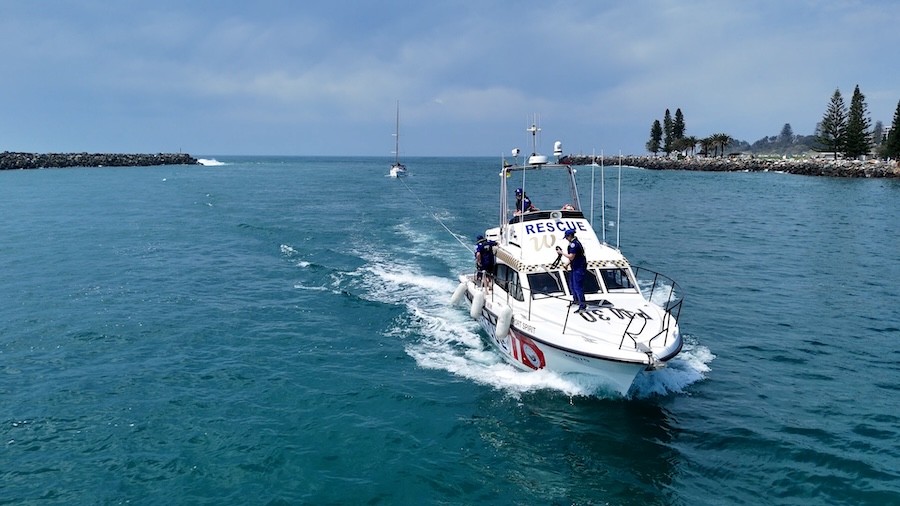
Some are monitoring radios. Others maintain equipment, keep the unit running, organise events or spend their weekends asking the community to support a service they believe in. At Marine Rescue Port Macquarie, fundraising is as much a part of the unit’s work as it is a connection to the people it serves.
The need is substantial. According to Marine Rescue NSW, the NSW Government provides less than half of its overall funding. The organisation relies on volunteers, donors, grants and partners to help meet the costs of keeping crews ready to respond. It also says rescue missions across the state have risen by more than 70 per cent since 2019, without an increase in core government funding.
That makes the work behind a meat raffle, golf day, food van or conversation with a potential supporter far more than a pleasant addition to the calendar. Each effort helps sustain the vessels, equipment and day-to-day operations on which boaters may one day depend.
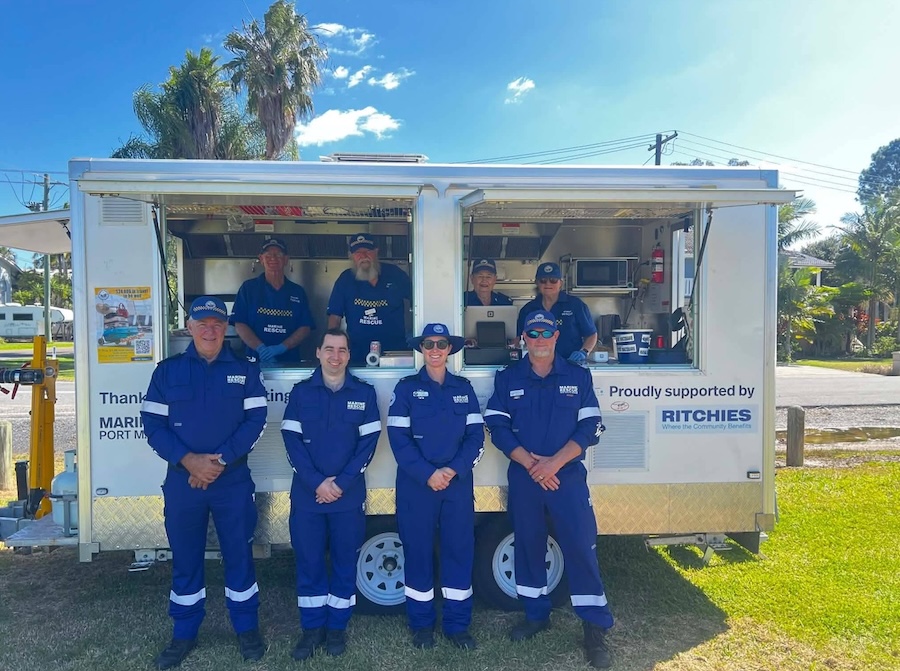
Marine Rescue Port Macquarie food van
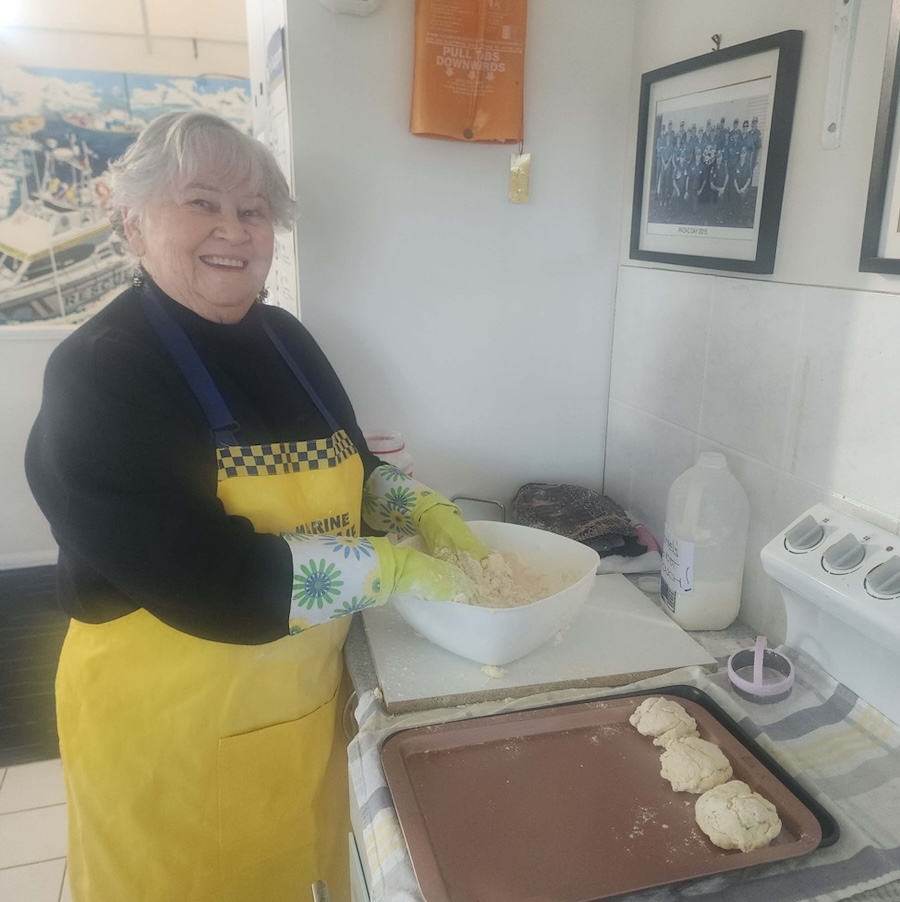
Few people know that work better than Greg Davies ESM and Muriel Bennett. Greg, a Marine Rescue Port Macquarie volunteer for more than 13 years and its former Unit Commander, has helped build a strong fundraising culture at the unit. Muriel has given almost a decade to its fundraising efforts, including three years of baking for “Scone Friday”, a regular gathering that brings volunteers from different roles together.
It is a reminder that people can make a vital contribution to Marine Rescue without ever going to sea. For some, the chance to help, connect and belong is what drew them in. For others, that sense of family is what keeps them coming back.
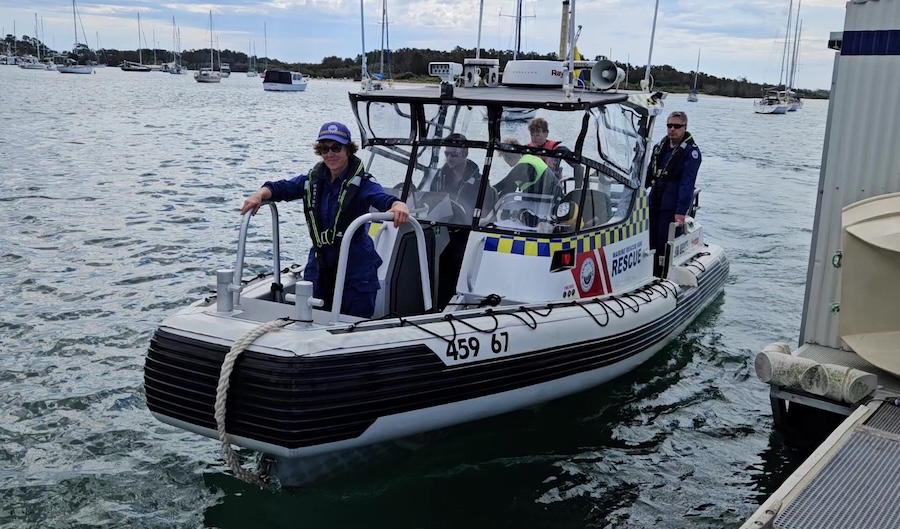
Marine Rescue NSW is a volunteer based, not for profit professional organisation dedicated to keeping boaters safe across the state. 3,400 trained volunteers support communities through search and rescue operations, marine radio monitoring and boating safety education.
Marine Business News spoke with Greg and Muriel about the people, ideas and commitment behind Port Macquarie’s fundraising success.
In conversation with Greg
What first brought you to Marine Rescue Port Macquarie, and what has kept you involved for more than 13 years?
When I first joined, I mainly wanted to learn how to cross the bar and find the good fishing spots. I joined while the unit was transitioning from Sea Rescue to Marine Rescue NSW. A lot of members had left, and we were down to around 40 radio operators and five crew members. I saw an opportunity to help build the unit, so I stepped up as training officer. Being part of what the unit has become is what’s kept me involved.
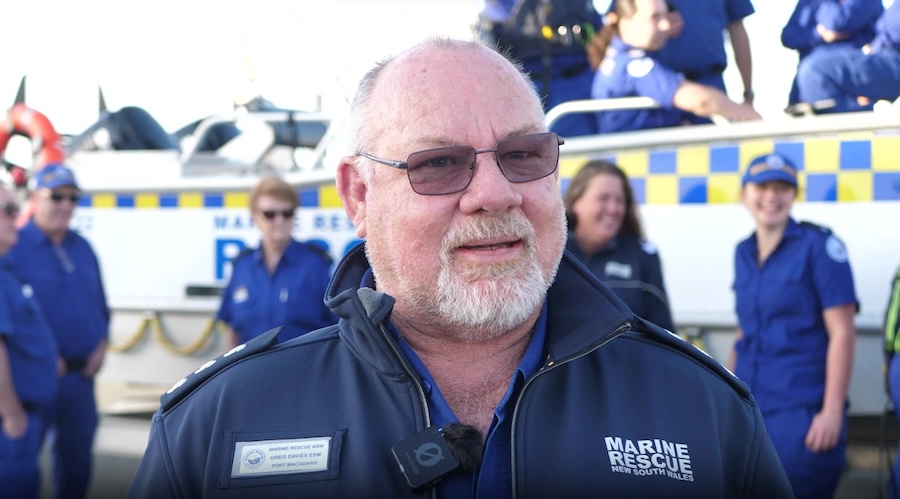
Marine Rescue Port Macquaire Unit Commander Greg Davies
Greg, you are a recipient of an Emergency Service Medal. How did that come about and what does it mean to you?
Receiving the Emergency Service Medal was a great honour and a humbling experience. I see it as recognition of a team effort. Our volunteers built the unit into what it is today, with around 230 members all working towards the same goal of supporting our community and saving lives on the water.
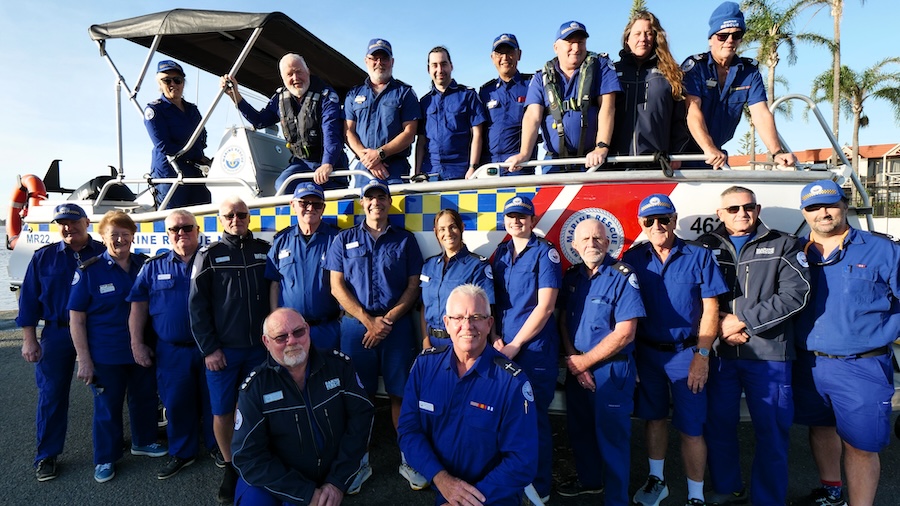
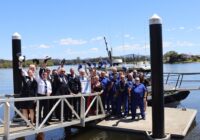
Greg (front row) with volunteers from Marine Rescue Port Macquarie who supported efforts during the flooding event which hit the region in May 2025
How did fundraising become such a strong part of the unit’s culture? Was there a turning point?
The turning point came when I realised that if we wanted to raise serious money, we needed prizes people really wanted to win and a team dedicated to fundraising. There were already more than 60 volunteer organisations in the area, so we looked for fundraising opportunities we could make our own without competing for the same support.
Of your fundraising activities, which have worked best, and what makes them successful?
Our major annual raffle runs for six months, and we’ve offered prizes such as a caravan, a jet ski and a boat. We also run meat tray raffles at three pubs every Saturday. Our barbecue team works at Bunnings and sports centres, helps out during the Ironman and supports events run by local businesses. We use our food van at community events, make it available for private functions and visit nine retirement villages on weekends.
What makes these activities work is that our fundraising volunteers are out in the community all the time. They’re often the people the public meets from Marine Rescue Port Macquarie, and the professional way they run those events reflects well on the whole unit.
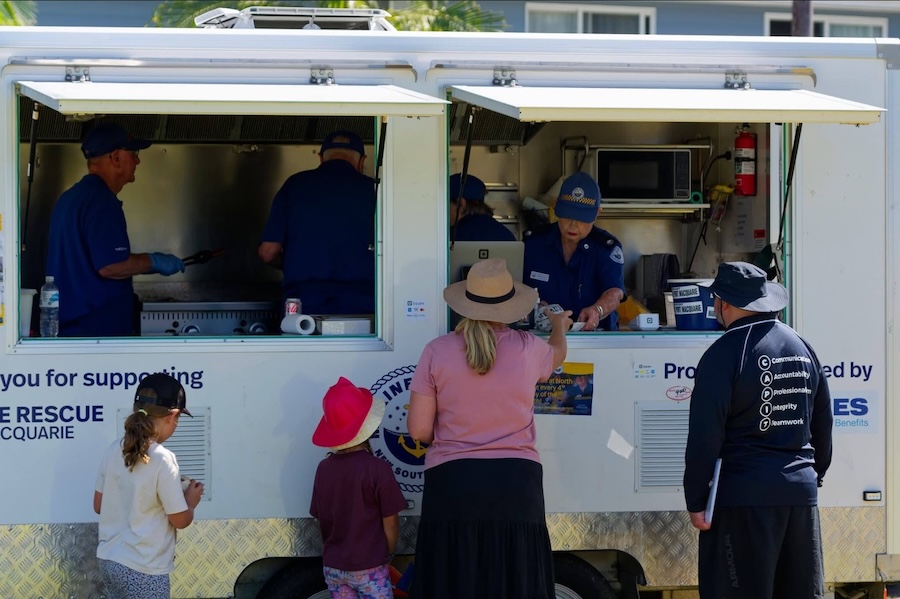
Marine Rescue Port Macquarie food van
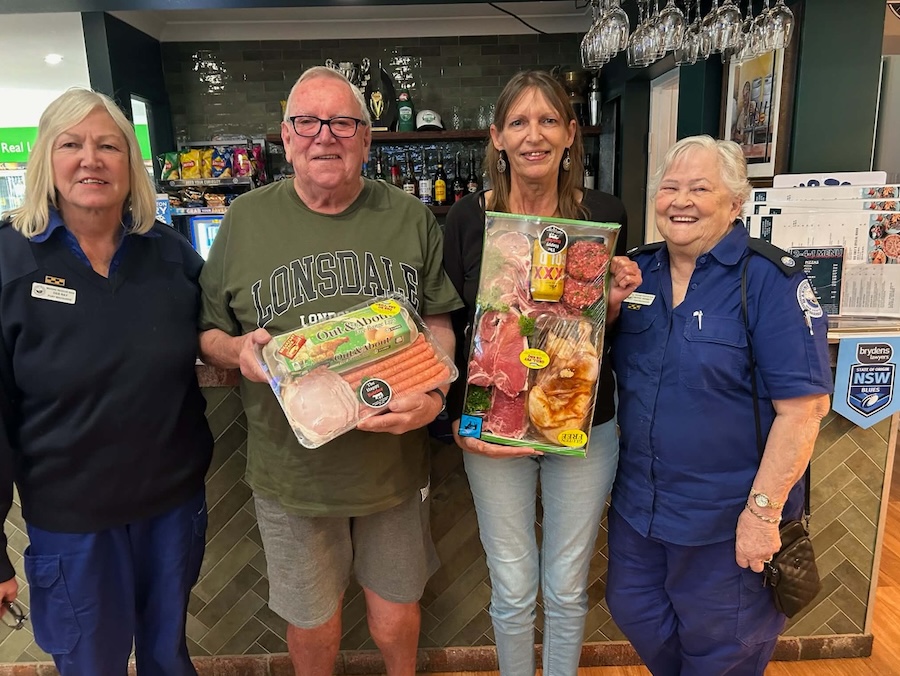
Muriel on meat tray raffle duty
How do you build lasting relationships with local businesses and supporters, beyond asking them for a donation?
Local businesses get asked for donations all the time. Our approach is to buy what we need from them and ask for the best price they can offer. We’ve had some very good deals that way, and local businesses have been very supportive of the unit.
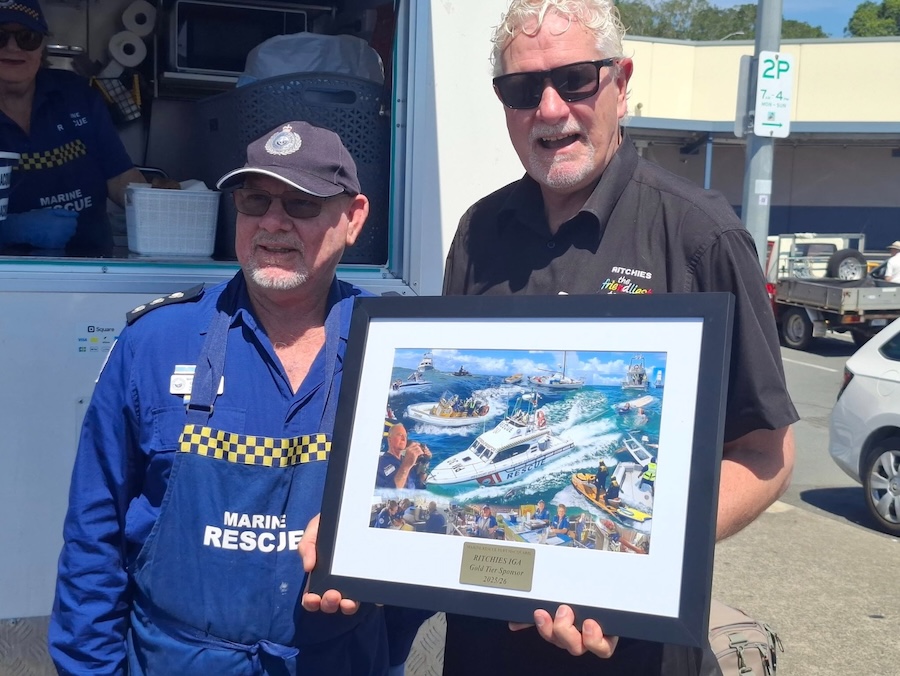
Marine Rescue Port Macquarie Unit Commander Greg Davies and Tim Walker – Community Development Manager Ritchies IGA announcing a sponsorship agreement
What do people outside the organisation tend to misunderstand about the costs of keeping a rescue unit ready?
I’ve spoken to many community groups, and people often assume we’re funded in the same way as the SES or Fire and Rescue. We regularly explain that we rely on local fundraising to help keep the unit operational.
How do you help volunteers who do not want an on-water role feel equally valued?
There’s a job for everyone. If someone wants to join and contribute, we’ll find a role that suits them or create one. Some volunteers come in once a week to clean. Others maintain our computers, look after our electrical equipment or keep the first aid kits ready.
There’s work happening somewhere in the unit every day. We’re a full-time operation run by volunteers, and we rely on the people doing those jobs ashore to keep it running.
Now that you have stepped down as Unit Commander, what part of the unit’s future matters most to you?
I hope the unit leaders build on what we’ve achieved. What matters most to me is that the can-do attitude, mateship, teamwork and pride in the unit carry on.
Can you tell me about one person or one moment that captures why you do this?
For me, it’s seeing the relief on someone’s face when we get them to safety. Whether it’s a big job or a small one, you can see the difference the team has made. That includes our fundraising volunteers. Their work helps keep us operational so we can be there when someone needs us.
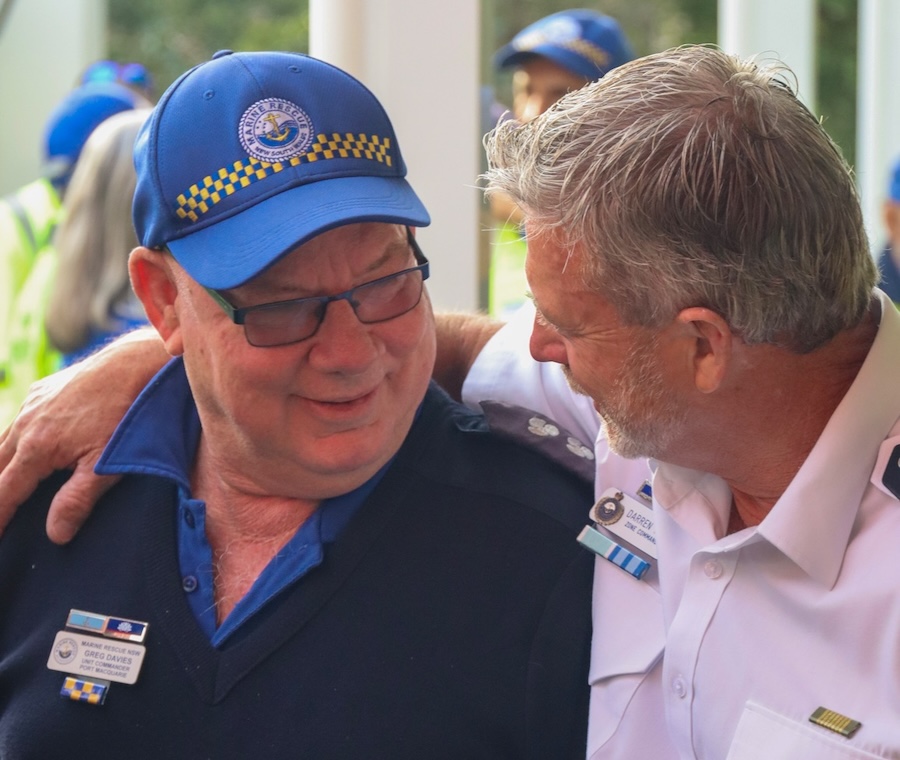
Greg Davies and Marine Rescue NSW Northern Zone Commander Darren Hulm
In conversation with Muriel
What led you to volunteer as a fundraiser, and what has kept you involved for 10 years?
I’ve always been interested in fundraising. After I moved to Port Macquarie, I was a Pink Lady for a few years. A friend who was already in Marine Rescue suggested I join, and it was the best thing I ever did. I’m very proud to be in Marine Rescue and very proud to wear the uniform. I’ve received my 10-year medal now, and I can’t believe how quickly the time has gone.
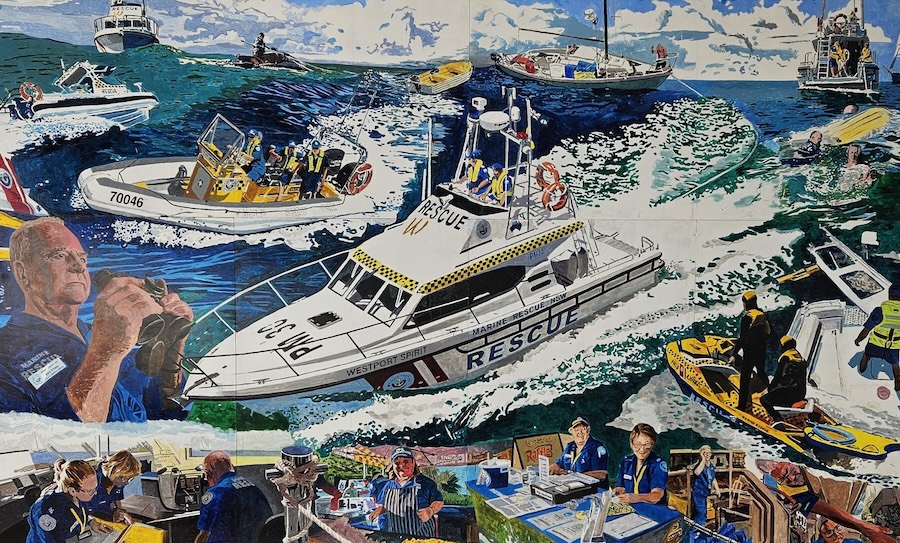
Muriel features on the mural inside the Port Macquarie base
What does a typical fundraising week involve for you?
When Greg was Unit Commander, we fundraised on Thursdays, Fridays and Saturdays, and I’d do a morning or afternoon shift each day. If someone couldn’t make a shift, I’d stay all day. I mean, you’re sitting down selling tickets, for goodness’ sake, but it felt good to be giving something back to Marine Rescue.
When you invite someone to support Marine Rescue, what do you tell them about the difference their contribution makes?
I tell them it helps keep the boats going. We have three parts to the unit, and each is as important as the other. We rely on each other. People often ask whether the money we raise from raffles stays in Port Macquarie. When I tell them it goes to the local unit, they’re very happy to hear that.
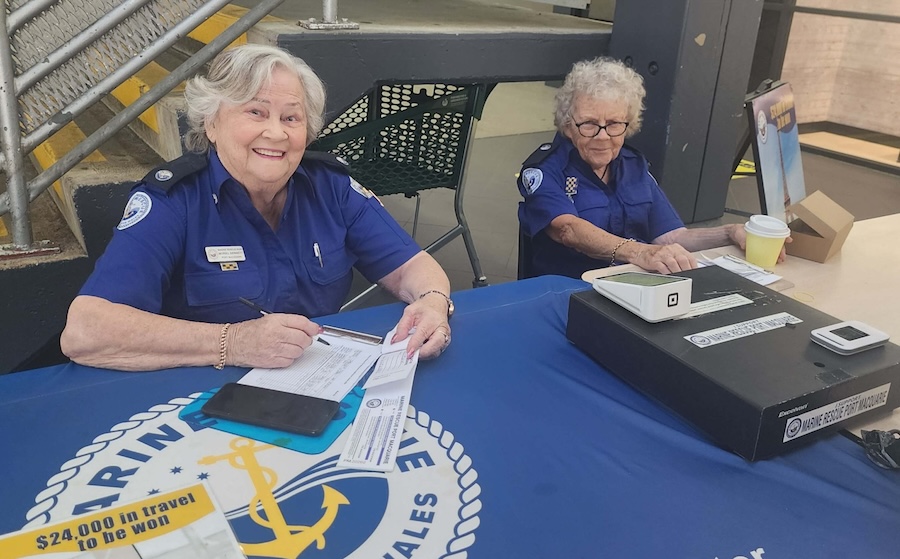
Muriel (left) selling major raffle tickets
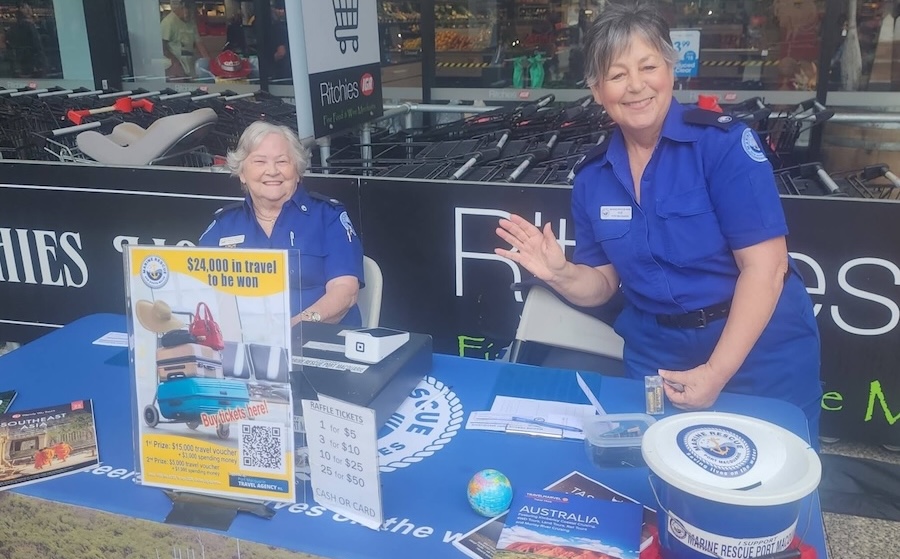
Muriel (left) selling major raffle tickets
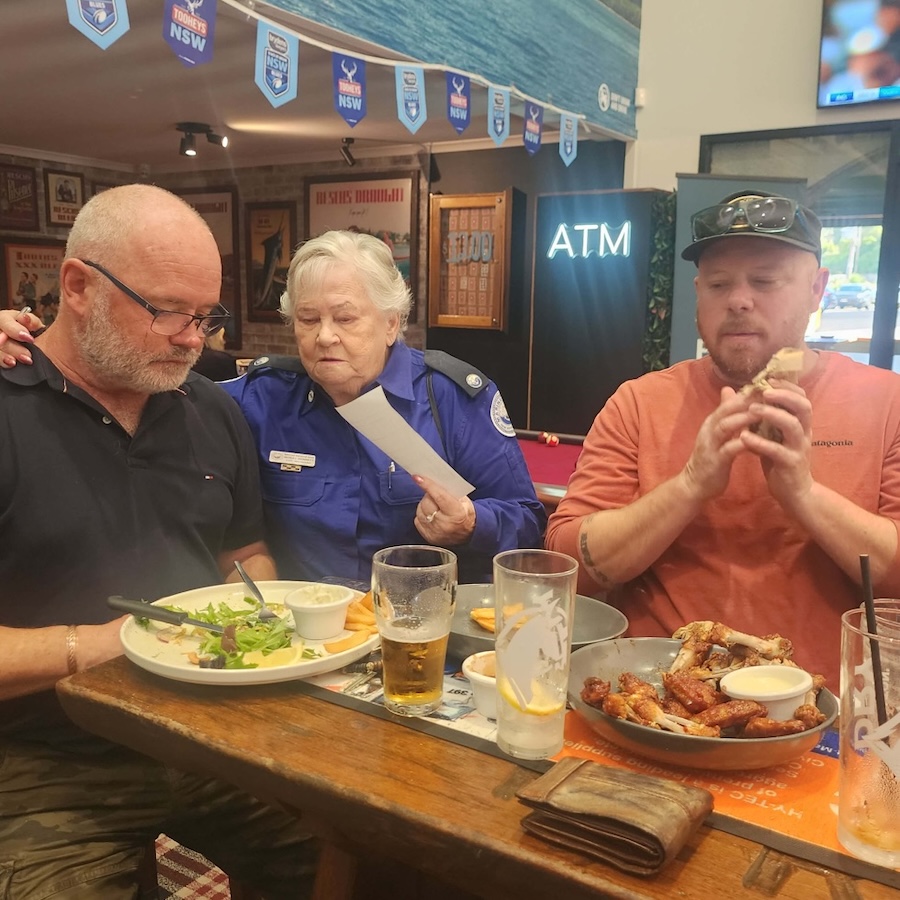
Muriel on meat tray raffle duty
Can you recall a moment when the community’s generosity particularly moved you?
I was always amazed when someone would come along and give us a $50 donation. And if someone gave us 20 cents, you’d make sure you thanked them just as warmly. I was always happy that people wanted to give.
What makes a fundraising event enjoyable for volunteers and supporters?
First of all, you’re representing Marine Rescue, and that gives you a good feeling. The people in Port Macquarie are so nice, and they’re grateful for what Marine Rescue does. People would walk past, realise who we were and come back to buy tickets. It was rare to get through a shift without someone saying something kind about the work Marine Rescue does.
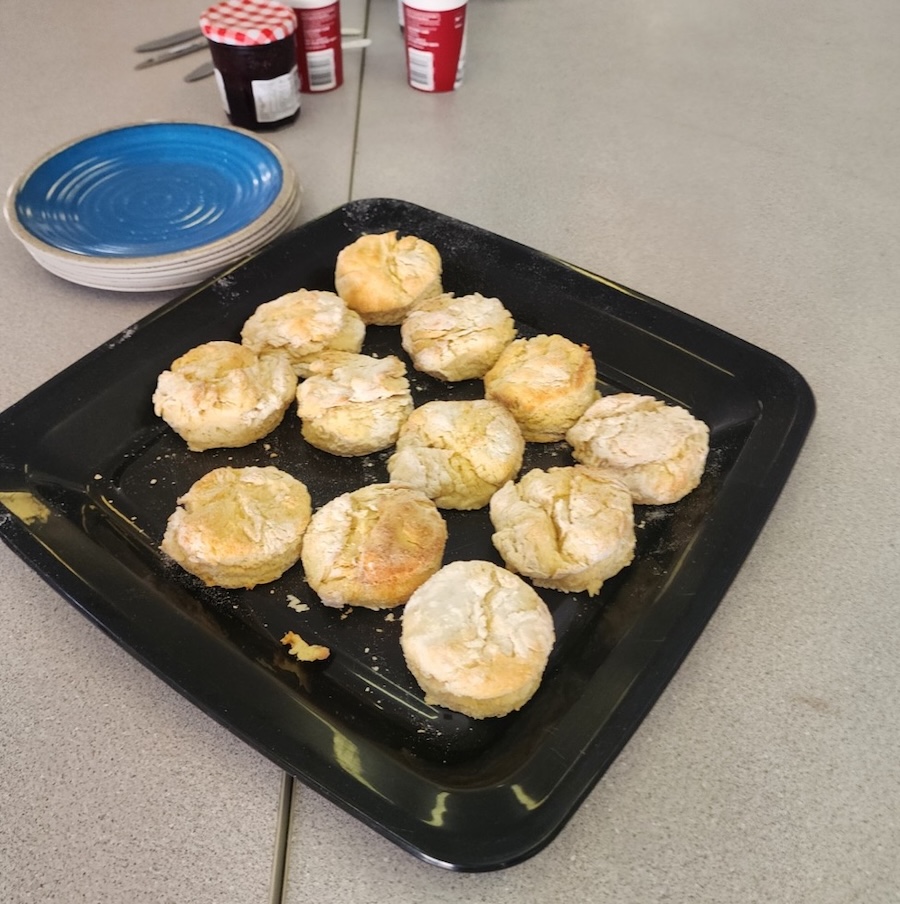
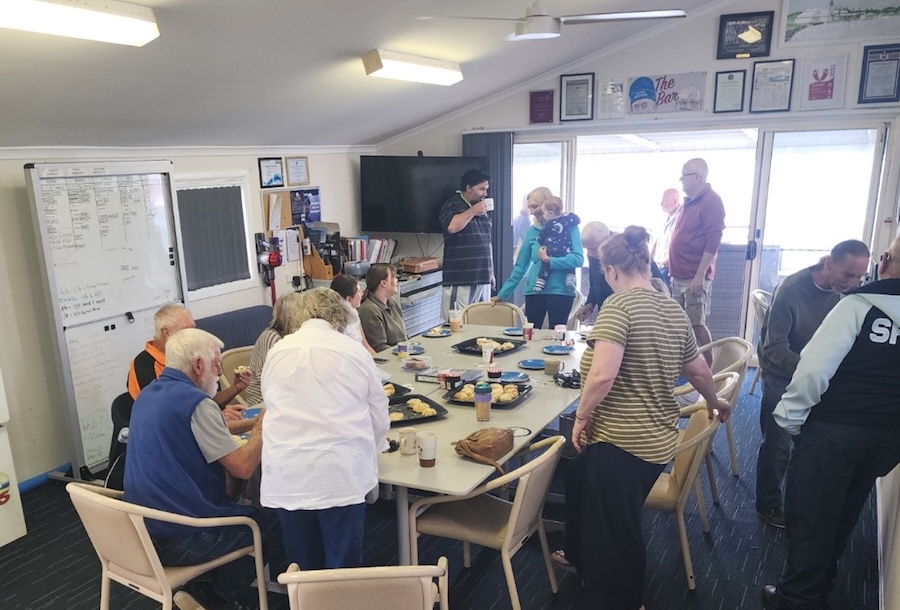
What did you enjoy about baking for Scone Friday?
I was just happy to do something that brought people together. It was a social morning, and people came along for a catch-up. And when they told me how nice the scones were, I thought, well, I must be doing something right!
What has being part of the Port Macquarie unit added to your own life?
It’s like a family. I hadn’t long joined when my daughter passed away, and I got a lot of support from the people at Marine Rescue, especially Greg. I was doing a lot of fundraising at the time, and having that to do helped keep me going.
What would you say to someone who wants to help Marine Rescue but has no interest in going out on the water?
You can put your hand up for radio work or come and help with fundraising. I don’t go out on the boat because I can’t swim and I’m scared of the water. And my maiden name was Waters! There are lots of things I can do.
Can you tell me about one person or one moment that captures why you do this?
Greg has been a big influence on me, and he still is. He came down to Sydney with me when I represented Marine Rescue Port Macquarie at a volunteer awards event. That trip was the highlight of my time with Marine Rescue. I got to meet the Commissioner, and it meant a lot to have Greg there with me.
What would you say to a young person thinking about joining Marine Rescue?
I’d tell them the same thing I’d tell anybody. People will support you. It’s like a family. It can be very social for younger people, too. We’ve already got quite a few young people in the unit, and they love it.
To all Marine Rescue NSW volunteers, please keep up your valuable fundraising efforts – your dedication is recognised, appreciated and makes an important contribution to the service. Units seeking advice or support are encouraged to reach out to a fellow unit or Marine Rescue NSW headquarters for guidance.
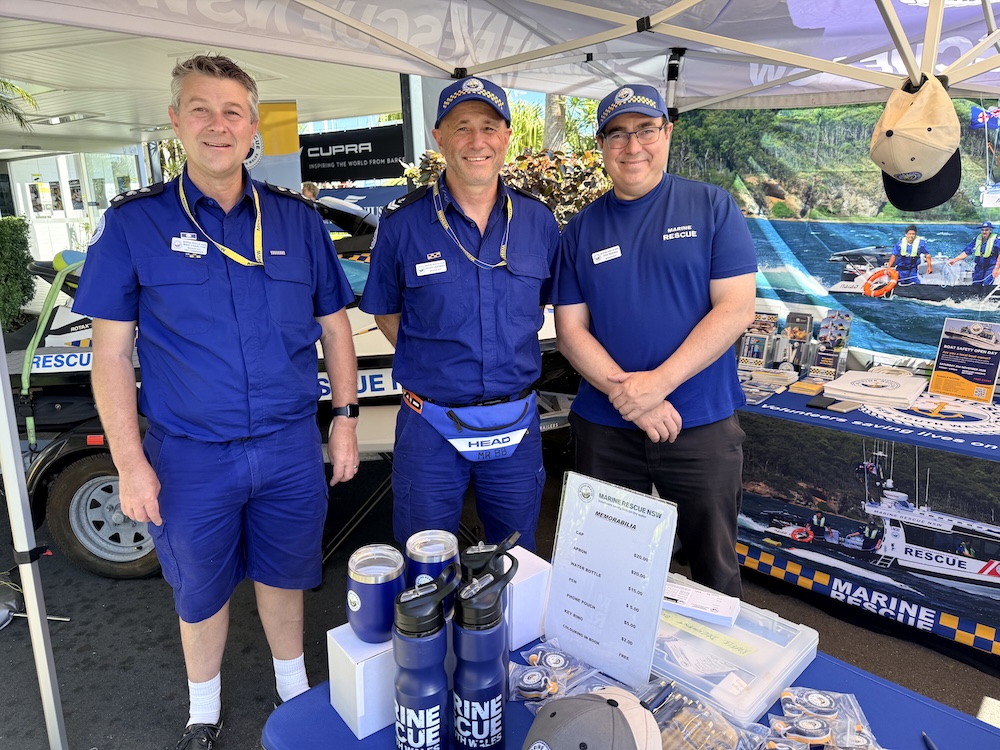
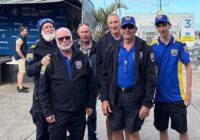
The value of fund raising is universal. A recent show on the northern beaches invited guests to buy raffle tickets from the Marine Rescue Broken Bay Team. (L-R) Unit Commander Mike Charlton, Peter Loadman and Nick Beehag.
For more information, visit www.marinerescuensw.com.au