Boat Gold Coast Magazine marked its 10-year anniversary. We spoke with founder and magazine director ANDY KANCACHIAN about why the magazine began, why it’s still growing, and what makes the Gold Coast one of Australia’s great boating cities.
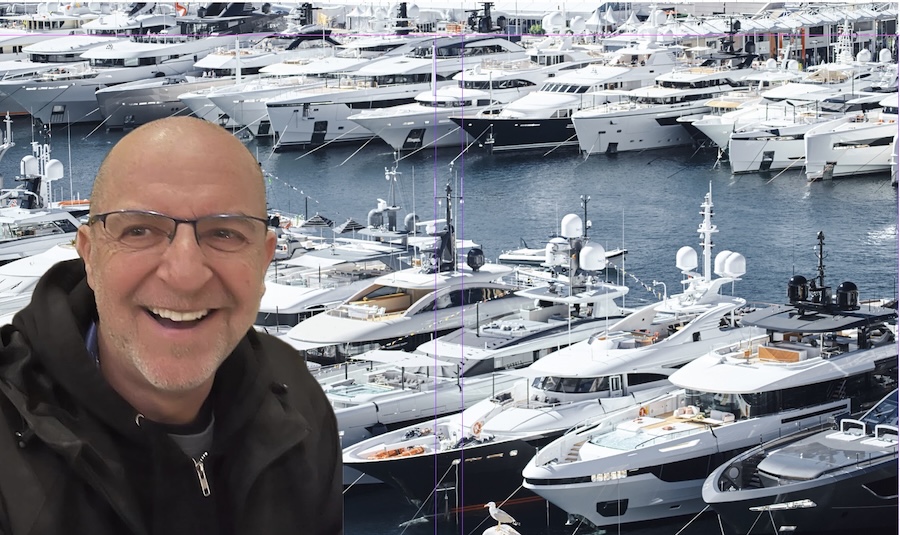
Andy Kancachian, BOAT GOLD COAST
Why did you start a boating magazine?
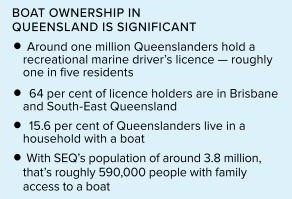
We live a waterfront lifestyle, and once we had a young son, boating quickly became one of our top priorities. We already had experience in magazine, catalogue and newspaper publishing, so creating a boating and waterways lifestyle magazine felt like a natural fit. From a business perspective, we noticed something interesting. Anecdotally, only around four per cent of pontoons we observed actually had boats berthed. That suggested huge potential for boat ownership but also raised questions about why people weren’t getting on the water. The most common reasons we heard were cost and lack of knowledge. Providing clear, accessible information became key.
Why does the gold coast deserve its own boating magazine?
The Gold Coast is truly a waterways city, even though it’s often marketed mainly for theme parks and beaches. We have over 270 kilometres of navigable canals, all accessible by boat, more than Venice, one of the world’s most famous canal cities.
There are more than 90 marinas on the Gold Coast, with another 100 across the broader region. The Gold Coast City Council is also the only local government in Australia with a dedicated business development department focused on marina expansion and marine exports. It’s often claimed that around 80 per cent of boats manufactured in Australia come from the Gold Coast, and we’re home to the Coomera Marine Precinct, one of the world’s most advanced marine industry hubs, capable of servicing everything from small runabouts to superyachts. On top of that, we have our own international boat show, one of the best boating lifestyle events in the southern hemisphere.
Sustainability seems important to you. Why?
I’m married to a human rights and environmental lawyer, so advocacy is very much part of our life. We strongly believe in sustainable development, protecting our waterways, and promoting safe boating through better education. These are values we want to pass on to our child and to future generations.
The magazine has been running for 10 years while many others have closed. How are you still growing?
We print 18,000 copies per issue, which is nearly ten tonnes of paper, and hand-deliver them to more than 500 participating businesses in S.E Queensland and beyond; marinas, chandlers, boat brokers, service outlets, and waterfront destinations. The magazines are free to readers, which makes a big difference.
Our digital edition performs strongly as well. Each online flipbook attracts around 10,000 views per issue, and every article and boat review is also published individually on our website. That gives strong organic search visibility for anyone researching boats or marine services. The alternative for readers is often a $20 magazine, and many people simply aren’t interested in paying that anymore.
Who reads boat gold coast magazine?
Anyone with an interest in boating or the waterfront lifestyle. We cover waterfront homes, new boat models, service providers, and practical information for existing boat owners. Print also has a strong pass-along effect. Someone might pick up a copy at a marina or shopping centre, pass it to a friend or family member, and it keeps circulating. A single copy is likely to be read by many people.
What’s the hardest part of running a magazine?
Without a doubt, getting content submitted and approved on time. Queenslanders are wonderful people, but sometimes a little too relaxed about deadlines. Managing late submissions while still delivering a polished magazine on schedule is the biggest challenge we face. And deciding which content to publish is another challenge, we’re spoilt for choice with onwater tests, event coverage, interview candidates, and material from manufacturers and dealers.
Why is the gold coast a unique destination?
South Stradbroke, North Stradbroke and Moreton Island create a natural barrier from the open ocean. This forms a vast, protected inland waterway with mostly sandy bottoms and fewer rocks and reefs, making it one of the safest boating areas in Australia.
If you stay within the well-marked channels, you could visit a different anchorage every week for a year without ever going out to sea, and never get bored.
What’s missing from our waterways?
New waterfront developments should include free public berthing so people can arrive by boat. There’s a strong economic incentive for local businesses to offer these facilities.
I’m also surprised we still don’t have a bareboat charter fleet here for licensed visitors, similar to what exists in the Whitsundays.
How do you use your own boat?
Many of our trips involve delivering magazines to destinations like Tipplers on South Stradbroke, across Moreton Bay, or along the Coomera River, as well as heading out to photograph boats for reviews. Outside of work, we spend plenty of time towing wakeboards and tubes, swimming, and snorkelling, with Wavebreak Island on an incoming tide a firm favourite. We’ll often pull up at a pub, pizza shop, or fish-and-chip shop to grab takeaway and eat onboard. Living off the Nerang River, we even do some of our grocery shopping by boat.
What boat do you recommend for most people?
If you’re not buying for a specific activity like wakeboarding, fishing or sailing, I recommend looking for:
- A wrap-around windscreen
- Zip-out clears around the cockpit
- A full-length bimini for sun, wind and rain protection
- Ideally, a small cabin for bad weather or the occasional nap
But honestly, anything that floats is a joy. Work within your budget and just get out on the water.
Available at waterfront and boating locations throughout the region, or read the online edition at: www.boatgoldcoast.com.au/latest-issues
Article courtesy of Boat Gold Coast Magazine