Boaters across New South Wales are being urged to prioritise safety on the water this ANZAC long weekend, as the boating season draws to a close.
Marine Rescue NSW Commissioner Todd Andrews said while the season officially ends on ANZAC Day, the risks associated with boating remain year-round.
“The risk on our waterways never goes away, don’t let your next trip be your worst,” Commissioner Andrews said.
“Always check and monitor the weather, changes in conditions can lead to life-threatening emergencies.
“We ask all boaters to make safe decisions so they return home without incident and not put themselves or others’ lives in danger.”
Marine Rescue NSW volunteers remain rescue ready 24/7, having completed 313 search and rescue missions in March, including 105 emergency responses, safely returning 618 people to shore.
“Our vessel crews and radio operators have done a huge amount of work this season.
“The current fuel situation is impacting boating activity but there are still plenty of boaters requiring assistance,” Commissioner Andrews said.
“If conditions are favourable this long weekend and boaters are out on the water, we want them to know Marine Rescue NSW volunteers are ready to respond day or night.
The boating season, which commenced on 1 October last year, concludes on ANZAC Day following a particularly busy summer period.
“Marine Rescue NSW crews had a demanding summer, performing just under 1,700 rescues between December and February, almost 450 of those were life-threatening emergencies,” the Commissioner said.
“We are on track to exceed 3,000 rescue missions this boating season.”
Marine Rescue NSW is reminding boaters that preparation and communication are key to staying safe, regardless of whether they are on enclosed or offshore waters.
Boaters are strongly encouraged to always Log On using the free Marine Rescue NSW app or via VHF Channel 16 before heading out.
During March, Marine Rescue NSW volunteer radio operators maintained watch over almost 20,000 people on board Logged On vessels and managed more than 16,000 radio calls, including six MAYDAY distress calls and one Pan Pan.
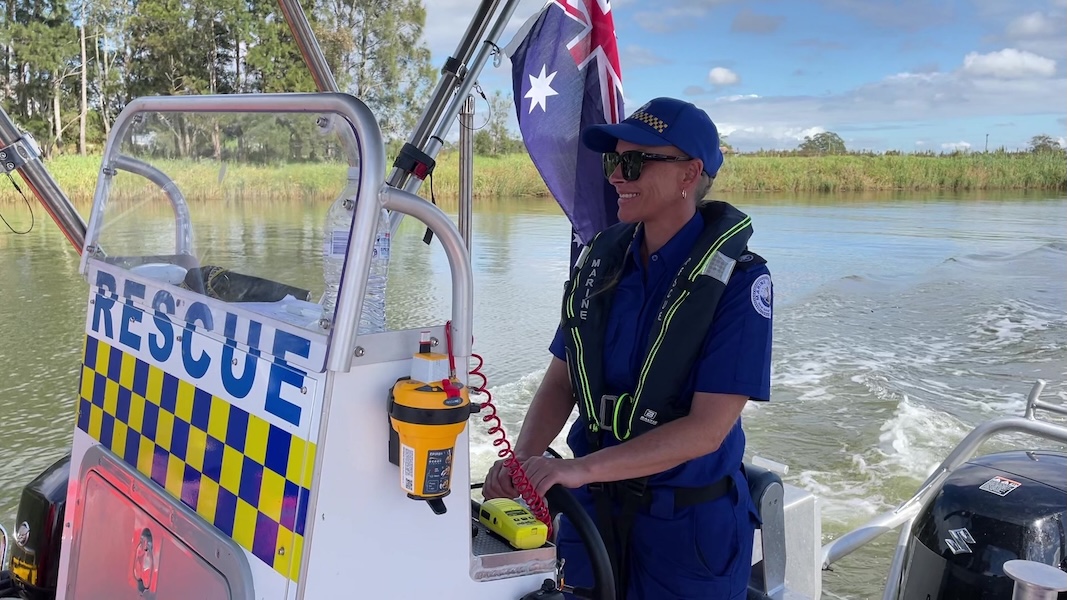
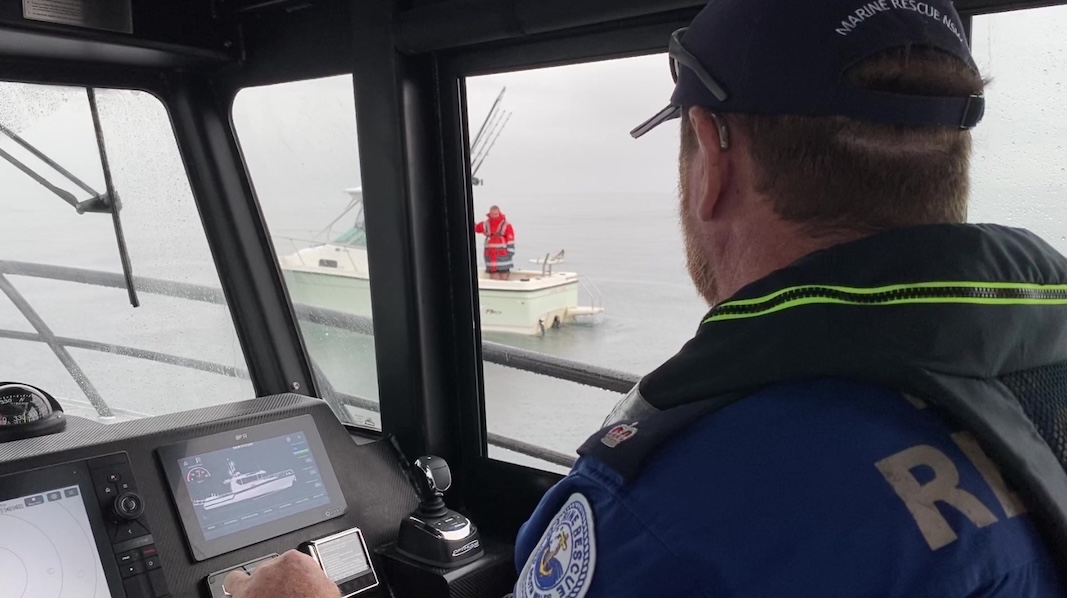
Marine Rescue Lemon Tree Passage volunteer returns from a successful mission
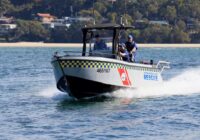
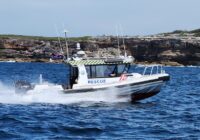
Marine Rescue 30 answers the call from a boater 1.5 nautical miles off Barrenjoey Headland
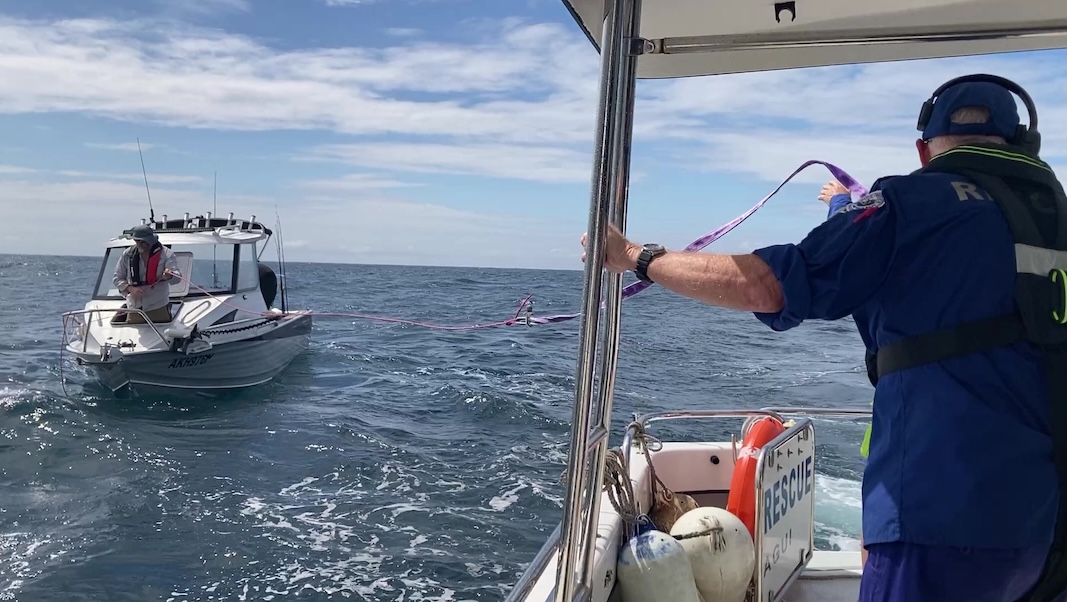
Bermagui 30 responds to a boater in distress on March 3
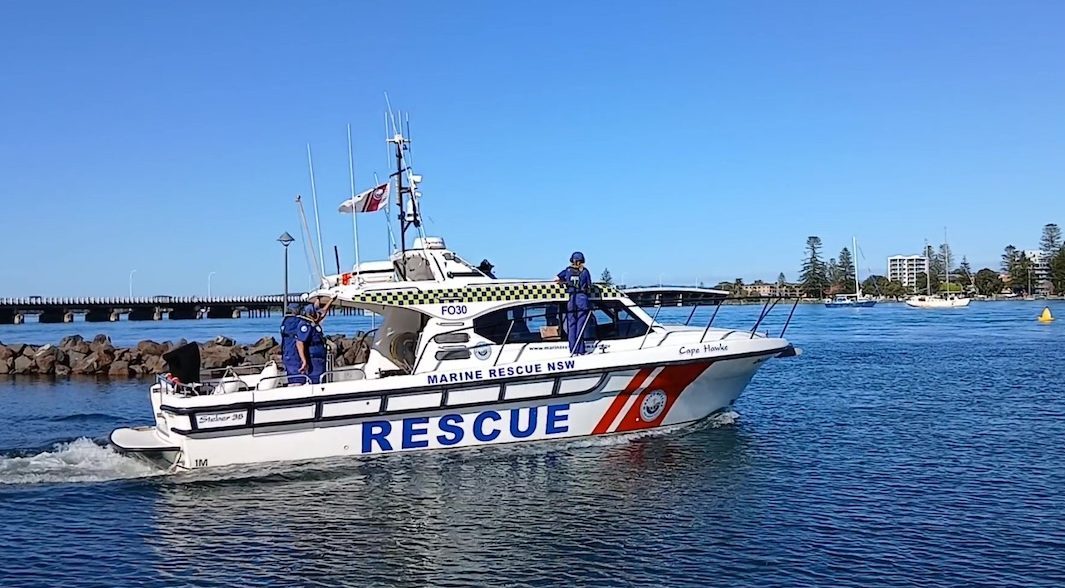
Forster 30 departs for an offshore assist
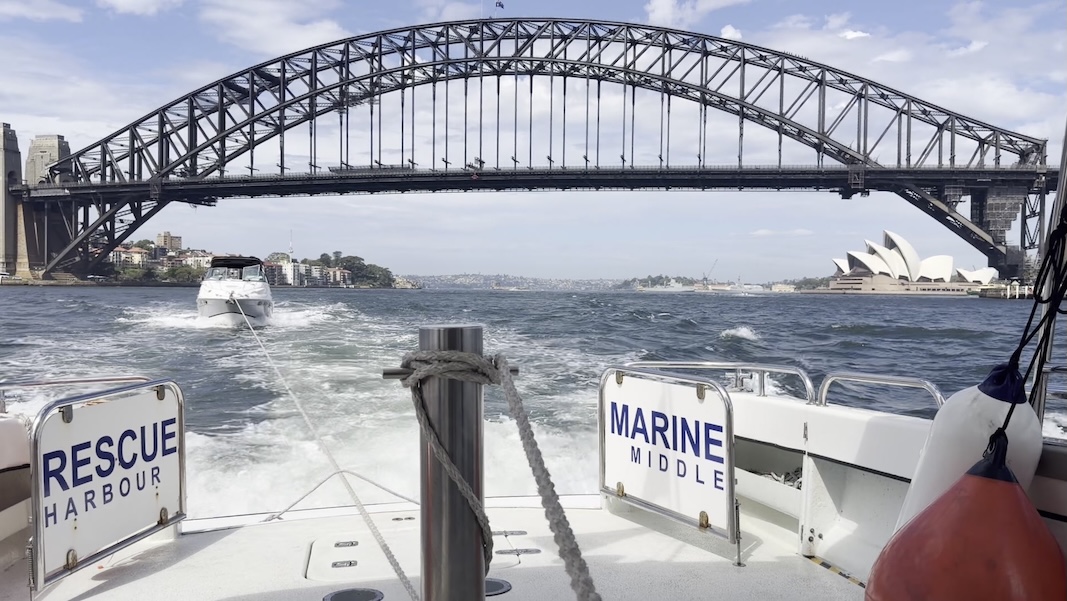
Middle Harbour 30 returns a disabled vessel to safety on March 5
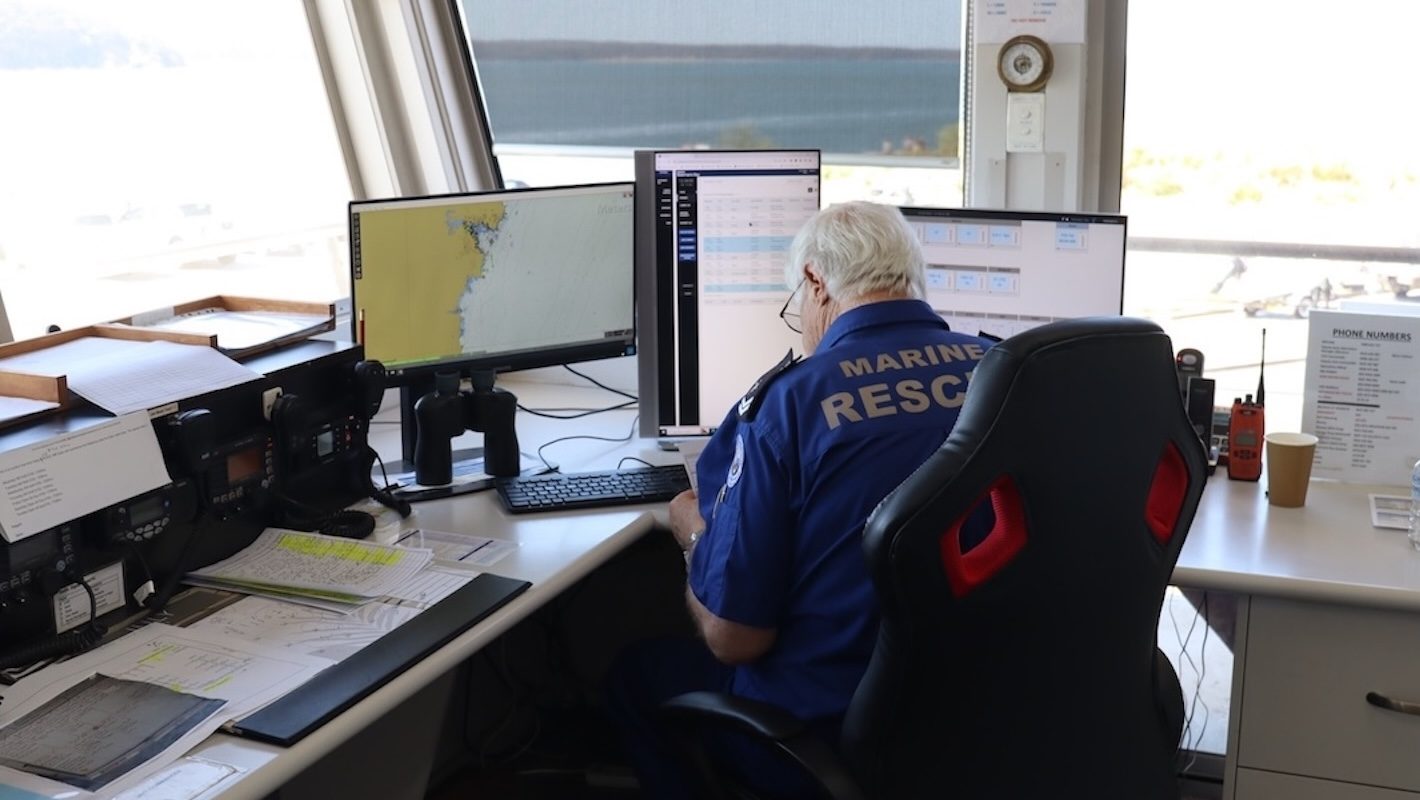
Marine Rescue NSW radio operators managed more than 16,000 calls in March
“Logging On is a must. It provides vital information such as your planned route and expected return time, details that become critical if something goes wrong,” Commissioner Andrews said.
“Incidents can occur close to shore, even in calm conditions, which is why logging on is essential for every trip.
“All boaters using the Marine Rescue NSW app are encouraged to enable location services for faster, more accurate assistance when it is needed most, it could save your life.”
Commissioner Andrews also reminded users of the state’s waterways to wear a lifejacket and ensure they carry the appropriate safety equipment.
“Always wear a lifejacket, it can only help you if you are wearing it,” he said.
“With more than 3,500 dedicated volunteers across 46 units statewide, boaters and paddlers can be assured that Marine Rescue NSW is ready to respond rapidly this long weekend.”
Breakdown of March 2026 search and rescue missions by region
NORTHERN RIVERS: 18 search & rescue missions including 11 emergency responses with 35 people safely returned to shore across all 7 Northern Rivers units – Point Danger, Brunswick, Cape Byron, Ballina, Evans Head, Iluka Yamba & Wooli.
Locations of highest demand: Point Danger 8, Ballina 3, Iluka Yamba 3
MID NORTH COAST: 24 search & rescue missions including 11 emergency responses with 52 people safely returned to shore across all 9 Mid North Coast units – Woolgoolga, Coffs Harbour, Nambucca, Trial Bay, Lord Howe Island, Port Macquarie, Camden Haven, Crowdy Harrington & Forster Tuncurry.
Locations of highest demand: Forster Tuncurry 9, Port Macquarie 6, Coffs Harbour 6
HUNTER CENTRAL COAST: 103 search & rescue missions including 31 emergency responses with 195 people safely returned to shore across all 8 Hunter Central Coast units – Port Stephens, Lemon Tree Passage, Newcastle, Lake Macquarie, Norah Head, Tuggerah Lakes, Brisbane Water & Terrigal.
Locations of highest demand: Lake Macquarie 36, Brisbane Water 31, Port Stephens 15
GREATER SYDNEY: 112 search & rescue missions including 19 emergency responses with 235 people safely returned to shore across all 7 Greater Sydney units – Hawkesbury, Cottage Point, Broken Bay, Sydney – State Communications Centre, Middle Harbour, Port Jackson & Botany Port Hacking.
Locations of highest demand: Sydney State Communications Centre 31, Botany Port Hacking 23, Port Jackson 16
ILLAWARRA: 35 search & rescue missions including 19 emergency responses with 64 people safely returned to shore across all 7 Illawarra units – Port Kembla, Shellharbour, Shoalhaven, Jervis Bay, Sussex Inlet, Ulladulla & Kioloa.
Locations of highest demand: Port Kembla 11, Jervis Bay 8, Sussex Inlet 6
MONARO: 21 search & rescue missions including 14 emergency responses with 37 people safely returned to shore across all 8 Monaro units – Batemans Bay, Tuross Moruya, Narooma, Bermagui, Merimbula, Eden, Alpine Lakes & Moama.
Locations of highest demand: Batemans Bay 8, Bermagui 5, Eden 4
Marine Rescue NSW is a volunteer‑based, not‑for‑profit professional organisation dedicated to keeping boaters safe across the state. Our 3,500 trained volunteers support communities through search and rescue operations, marine radio monitoring and boating safety education.