There are some people in the marine industry whose reputation is built not on noise, but on consistency, professionalism and the way they deal with people. Craig Evans is one of them.
For many across Australia’s boating, marina and club sectors, Evans is known as a calm and highly capable leader, someone who brings perspective, steadiness and experience to every role he takes on. He is also widely regarded as approachable, personable and generous with his time, qualities that matter greatly in an industry built on relationships as much as results.

Craig Evans
Craig’s career has spanned significant leadership roles in three states and across some of the country’s best-known yacht clubs. Most recently, he has served as CEO of Fremantle Sailing Club in Perth, concluding that role recently. Before that, he was General Manager of the Royal Prince Alfred Yacht Club in Sydney from 2018 to 2021, and prior to that spent more than a decade as CEO of the Cruising Yacht Club of South Australia, after first serving as a director.
Earlier in his career, he developed his management experience in a range of roles, including a period with the Department of Education in South Australia.
His contribution to the broader marine sector extends well beyond club management. Evans served as a director of the Boating Industry Association in South Australia and later with the amalgamated Boating Industry Association Ltd from 2006 until 2018. He has also served as a board member of the Marina Industries Association from 2022 until 2026, reflecting a career that has combined operational leadership with a genuine commitment to industry development and governance. His credentials support that standing, including his Certified Marina Management qualification, Graduate of the Australian Institute of Company Directors status, and recognition as Clubs SA Manager of the Year in 2015. Craig was also one of the originals founders of the Yacht Club Managers Group formed 15 years ago and has been the driving force behind this group, creating networking opportunities and organising conferences for managers from 55 leading yacht clubs around Oceania and South East Asia.
Behind the professional achievements, Craig is also a devoted husband and passionate family man. Married to Julie, he has been supported throughout a career that has taken him across the country in pursuit of senior leadership opportunities. Julie has shared that journey with him, and together they have built a strong and growing family life around those moves. It is an important part of Craig’s story, because alongside the governance roles, executive responsibilities and on-water accomplishments, family has clearly remained a constant source of support, perspective and pride.
But Craig’s story did not begin in the boardroom. It began on the water.
Born into a boating family, he grew up around water skiing and speedboat racing before discovering sailing through what was, by his own account, something of an accident. A small dinghy bought by the family turned out to be a sailing boat, and one unexpected outing was enough to spark a lifelong passion. From there, he immersed himself in club racing, training and learning, later building his offshore credentials through courses in navigation, meteorology, radio and ocean theory.
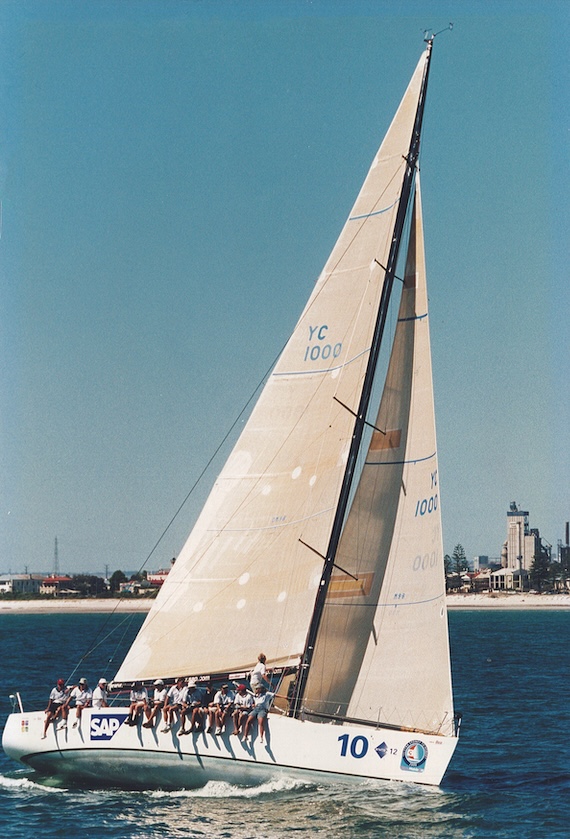
That passion led him to compete in the Sydney to Hobart Yacht Race nine times, with one of the great highlights coming in 2000 when he was navigator aboard SAP Ausmaid, the 47-foot Adelaide yacht that claimed overall victory. It remains a standout sporting achievement, but one that sits comfortably alongside the resilience he showed in harder moments too, including surviving the brutal 1993 and 1998 races. Those experiences appear to have shaped the leadership style many know today: prepared, composed and determined.
Throughout his career, Evans has also been a strong believer in giving back. He has served on committees, contributed to governance, and helped strengthen the organisations and industries he has been part of. Whether in South Australia, New South Wales or Western Australia, he has consistently worked at the intersection of boating, membership, strategy and service.
For younger people considering a career in clubs, marinas or the wider marine industry, Craig’s journey offers a compelling example. It shows that passion for boating can lead to a meaningful and varied professional life, and that success in this sector comes not only from technical skill, but from leadership, resilience and the ability to connect with people.
In an industry that values trust and credibility, Craig Evans has earned both.
Marine Business News spoke to Craig. This is what he had to say.
Looking back across your career, what do you see as the key highlights or defining moments?
Looking back across more than two decades in yacht club management, there have been a number of defining moments and achievements that stand out.
One of the most significant was overseeing the design and construction of a new marina precinct for the Cruising Yacht Club of South Australia. The project was delivered following a lengthy and hard-fought court battle opposing the development, making its successful completion particularly rewarding and important for the club’s long-term future.
Another major milestone was leading a successful challenge to provisions within South Australia’s Local Government Act that allowed councils to individually rate every marina berth and hardstand bay. The proposed rating model had the potential to impose charges comparable to the minimum residential rates applied to houses, threatening the viability of a significant portion of recreational boating across the state. After several years of advocacy and industry engagement, the issue was ultimately resolved through a state parliamentary process, with support from both the upper and lower houses to amend the legislation.
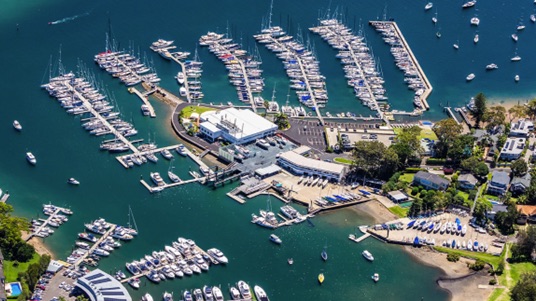
Royal Prince Alfred Yacht Club, Newport, NSW
During my time as General Manager of the Royal Prince Alfred Yacht Club, one of the defining periods was guiding the club through the challenges of the COVID-19 pandemic. Managing the organisation through more than eight months of combined lockdowns required constant communication with members, close collaboration with the board and staff, and strong operational leadership. Despite the disruption, we were able to use the period productively by implementing significant improvements to facilities and operational processes, ensuring the club was well positioned when normal operations resumed.
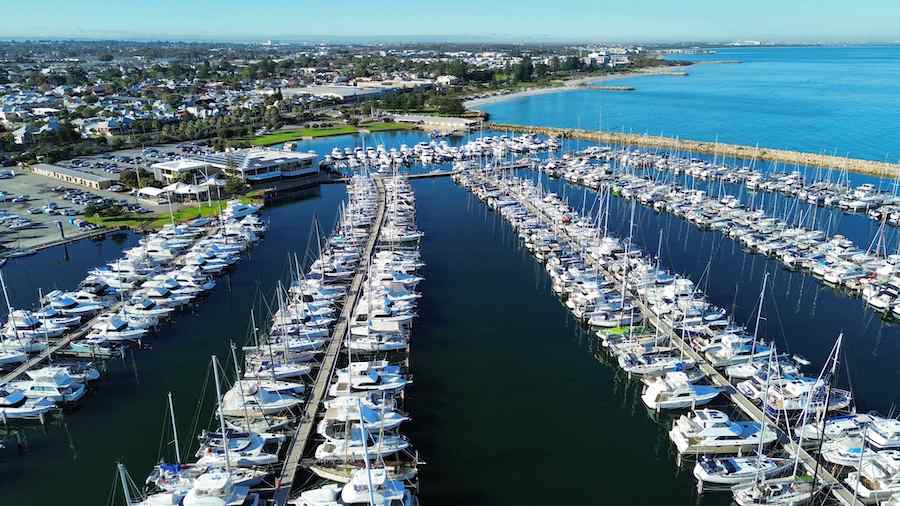
Fremantle Sailing Club Photo credit: Johnno Wroth
As CEO of the Fremantle Sailing Club, a major focus was challenging a substantial increase in the club’s lease fees proposed by the Western Australian Government. Following a lengthy and costly arbitration process against the Minister for Transport, the matter was successfully resolved in favour of the club shortly before my departure. The outcome was critically important not only for Fremantle Sailing Club, but also for other yacht clubs throughout Western Australia facing similar concerns.
Beyond the projects and legal challenges, one of the greatest highlights of my career has been the people I have had the privilege to work alongside. I take considerable pride in fostering positive, professional and safe workplace cultures, and in building environments where staff and members alike feel supported, valued and motivated to contribute to the success of their organisations.
What are you doing now? And are you looking to come back into the industry?
Currently, my family commitments have brought Julie and me back to Adelaide, where we are excited to be closer to our three young grandchildren and to support our aging mothers. I remain actively engaged in several projects for the Fremantle Sailing Club and have also joined the Facilities Committee of the Cruising Yacht Club of South Australia. I am keen to stay connected to the industry and, once we have fully settled in South Australia, I will begin exploring new opportunities.
You have held senior leadership roles in South Australia, New South Wales and Western Australia. What did each state teach you professionally and what were the biggest differences in managing major yacht clubs across those three states?
While the day-to-day operation of major yacht clubs is broadly similar across Australia, each state presents its own unique regulatory, operational and stakeholder challenges. Working in South Australia, New South Wales and Western Australia provided me with valuable professional experience and reinforced the importance of adaptability in leadership.
One of the biggest differences between the states was the varying legislative and compliance frameworks. Over the years I became familiar with different Registered Clubs and Incorporated Associations legislation, as well as differing state-based workplace health and safety requirements, employment regulations and staff entitlement frameworks. Successfully navigating these differences required a strong understanding of governance and compliance, together with the ability to quickly adapt to each operating environment. At times, it certainly kept you on your toes ensuring the rules and requirements of one state were not confused with another.
Another significant difference related to the ownership and lease structures of the land and water occupied by the clubs and marinas. The arrangements varied considerably between the facilities I managed in South Australia, New South Wales and Western Australia, and each brought its own commercial and political considerations. While there are occasions where it is necessary to strongly defend the interests of your organisation with local or state government, I learned that building constructive and respectful relationships with government stakeholders is equally important. Long-term outcomes are often achieved most effectively through collaboration, trust and open communication.
Professionally, working across the three states broadened my perspective considerably. It highlighted that while yacht clubs may share common objectives and operational challenges, each club is also shaped by its local boating culture, governance environment and relationship with government and community stakeholders. Those experiences ultimately strengthened my leadership approach and gave me a greater appreciation for the diversity and resilience of Australia’s recreational marine industry.
Of the clubs you have led, where did you most enjoy working, and what made that role or location especially rewarding?
I have thoroughly enjoyed my experiences at all three clubs I have led, but the Cruising Yacht Club of South Australia holds a particularly special significance for me. Witnessing its evolution from humble beginnings to the esteemed institution it is today has been profoundly rewarding. The club’s unique governance structure, freehold ownership of both land and water, and notable property development and expansion over the past 50 years have provided me with invaluable insights.
Serving as a director for three years, followed by 13 years as the club’s CEO, I take great pride in my contributions to the CYCSA’s advancements. In recognition of my commitment, I was honoured with Life Membership of the club in 2020.
You have given a great deal back to the industry through the BIA and Marina Industries Association. Why has industry service been important to you?
Industry service has been important to me for several reasons. Firstly, it provides the opportunity to have a seat at the table alongside highly experienced industry professionals, contribute the knowledge and insights I have gained over the past two decades, and play a role in helping shape the future direction of our industry.
Secondly, it has been an invaluable source of professional development. Serving on boards and committees exposes you to diverse perspectives and experiences, while continually reinforcing the importance of strong governance, strategic thinking, and fiduciary responsibility. These are lessons and disciplines that I have been able to bring back into my own professional environment and apply in a meaningful way.
You were awarded Certified Marina Management status and later completed the AICD program. How have those qualifications influenced your leadership?
Professional development is crucial at every level of leadership. My qualifications, including the Certified Marina Management status and completion of the Australian Institute of Company Directors (AICD) program, have significantly influenced my approach to addressing both day-to-day challenges and long-term strategic planning.
I was fortunate to receive an international scholarship to study Advanced Marina Management in the UK. This experience offered invaluable insights into various marina systems, management structures, and associated products while facilitating essential networking opportunities with other marina operators and their teams. Since then, I have been eager to absorb knowledge and stay updated on industry advancements. Equally important has been my commitment to sharing this knowledge and fostering relationships with stakeholders, which has become a cornerstone of my leadership style.
The AICD course has reinforced my dedication to strong governance and ethical leadership. As a CEO and Board Member, it has clarified my duties and responsibilities, enhancing my understanding of risk management and financial stewardship. The insights gained from this program allow me to guide others in the boardroom, particularly volunteers with varying levels of experience and understanding of their fiduciary duties.
You were navigator on SAP Ausmaid when it won overall honours in the 2000 Sydney to Hobart. What do you remember most vividly about that campaign and result?
Our overall victory in the 2000 Sydney to Hobart Yacht Race was the culmination of a campaign that had evolved over several years. Having previously competed in the race, our first southern passage aboard Ausmaid came in 1998. In that exceptionally demanding year, when only around one-third of the fleet reached Hobart, we secured second place overall.
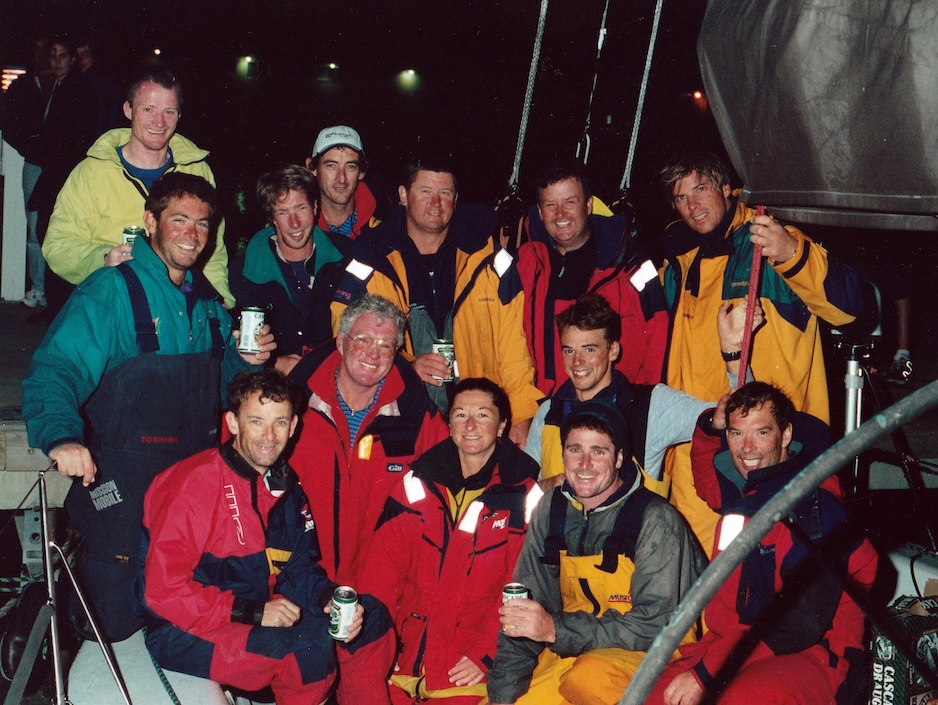
We returned in 1999 determined to improve on that result and again performed strongly, finishing third overall.
Earlier that same year, representing Australia, we were also part of the victorious three-boat team that won the Southern Cross Cup.
Building on that success, a combined crew was assembled for the 2000 campaign aboard SAP Ausmaid.
The 2000 race proved to be another extremely challenging contest, with strong winds, bitterly cold conditions and very poor visibility approaching Tasman Island and the Hobart finish.
By the time we crossed the line, we knew we had sailed an exceptional race, but there was still a long and anxious wait as the remainder of the fleet finished and corrected times were calculated.
As each yacht’s result was confirmed, anticipation continued to build until SAP Ausmaid was ultimately declared the overall winner. The celebrations that followed were unforgettable. It remains an extraordinary memory and one of the proudest achievements of my sailing career.
You have seen both the sporting and management sides of clubs at a high level. How has your experience as a sailor shaped the way you lead organisations?
My experience as a sailor has had a significant influence on the way I approach leadership and organisational management. As a navigator and tactical decision-maker, you learn to analyse situations carefully, remain calm under pressure and make informed decisions in challenging and often fast-moving circumstances. Those same qualities are essential when leading complex organisations and managing teams through both opportunities and challenges.
High-level sailing also reinforces the importance of understanding people, recognising individual strengths and weaknesses, building trust within a team and continually working to improve communication and performance. The parallels between competitive sailing and organisational leadership are strong, particularly when it comes to fostering teamwork, maintaining focus on shared objectives and creating an environment where people can perform at their best.
Successful yachting campaigns also rely heavily on preparation, process refinement, attention to detail and continual improvement. The same principles apply to running successful clubs and marine organisations. Strong management practices, well-maintained facilities and equipment, clear operational processes and a culture of continuous improvement are all critical to achieving long-term success.
Perhaps the greatest difference between sailing and organisational leadership is the broader responsibility that comes with leading a service-based organisation. On the racecourse, the focus is entirely on the performance of the boat and crew. In a yacht club or marina environment, however, leadership involves balancing the needs and expectations of members, staff, stakeholders, government agencies and the wider community. While that brings an added layer of complexity, it is also one of the most rewarding aspects of the role.
What advice would you give to young people entering the industry, whether through yacht clubs, marinas, boating businesses or the broader recreational marine sector?
The marine and yacht club sectors rely on dedicated, motivated young people entering the industry and building long-term careers within it. There are significant opportunities for professional growth across marinas, yacht clubs, boating businesses and the broader recreational marine industry for those willing to apply themselves and develop their skills.
For many people, the pathway into the industry begins with entry-level roles. Marinas are often seeking dock assistants and boatyard staff, while yacht clubs regularly offer opportunities in areas such as junior sailing instruction, food and beverage operations, marina services and event support. These positions provide valuable hands-on experience in a dynamic and rewarding environment, while also offering the chance to work alongside experienced industry professionals who can provide guidance and mentorship.
I would strongly encourage young people to take advantage of the wide range of industry training courses and professional development opportunities available. Continually improving your skills and knowledge demonstrates commitment and initiative, both of which are highly valued within the marine sector.
Most importantly, remain open to new opportunities and challenges as they arise. The marine industry is diverse and evolving, and those who show enthusiasm, professionalism and a willingness to learn will often find that new pathways and career opportunities present themselves over time.
To contact Craig visit his LinkedIn profile HERE