The Voyage – Dometic Marine’s global campaign for the first gyro stabiliser in their range, the DG3, – does not begin with a product shot. It begins with the people who made the product possible.
There are hands at work. Engineering drawings pinned to walls. Workshop light. Components being checked, assembled and tested. A gyroscopic spinner sitting on a desk, simple in appearance but precise in meaning. There are people talking, not performing, about the years of thinking, testing and refinement required to bring a technically demanding marine product to market.
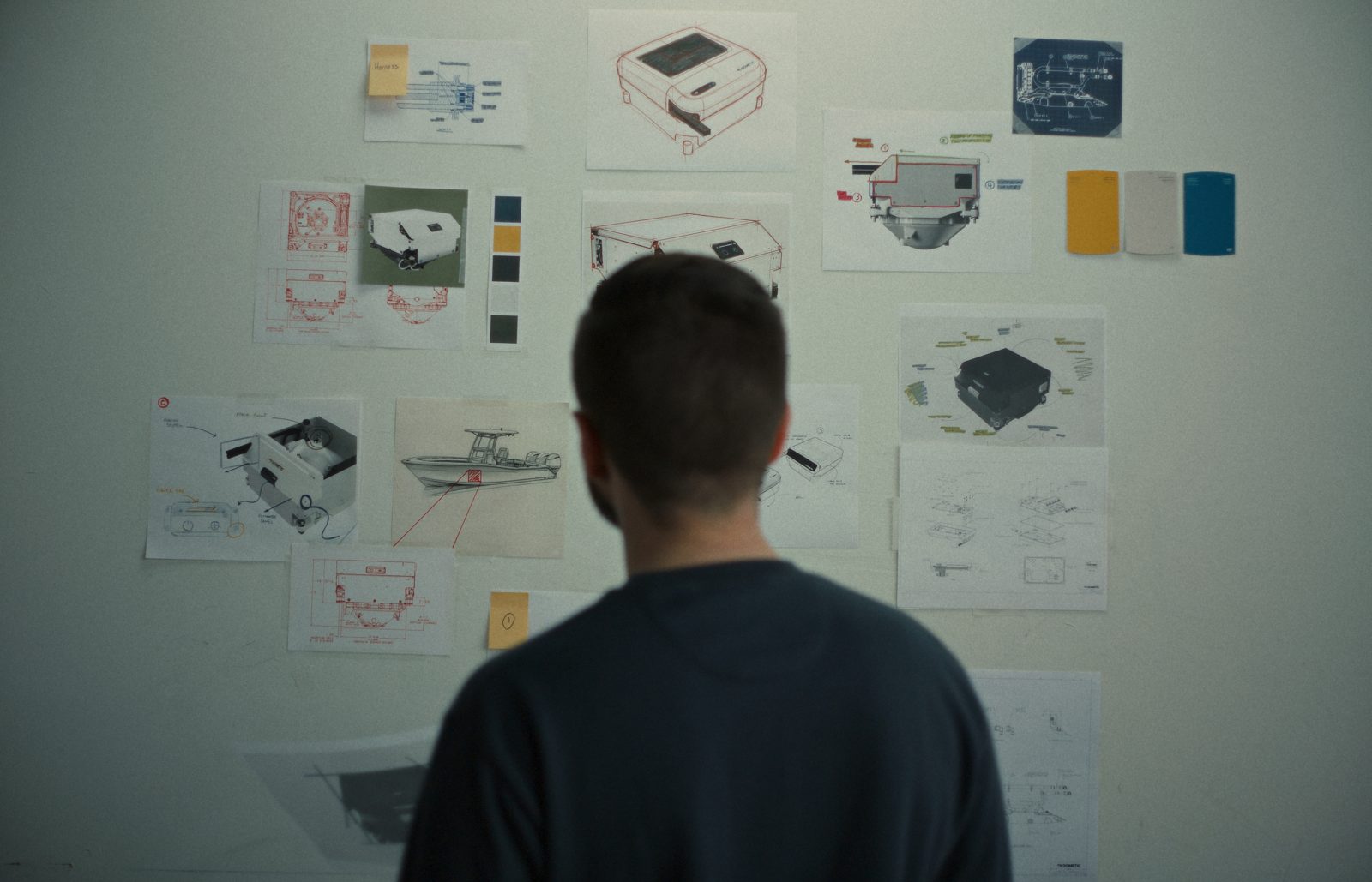
The Dometic Gyro arrives in the film in its own time. By then, the viewer already understands why it matters.
Directed by Kitalé Wilson and produced by Vancouver-based eastcherry, The Voyage is Dometic Marine’s global campaign for the DG3 Gyro-Stabiliser. It is also a significant example of how the marine industry can tell a technical product story without relying solely on specifications, renderings or performance claims.
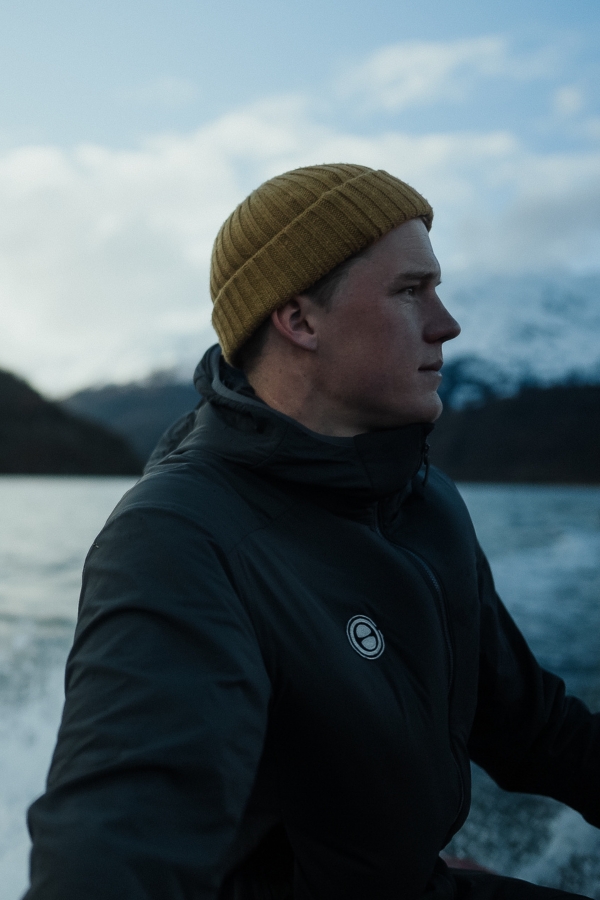
Kitale Wilson – Director eastcherry
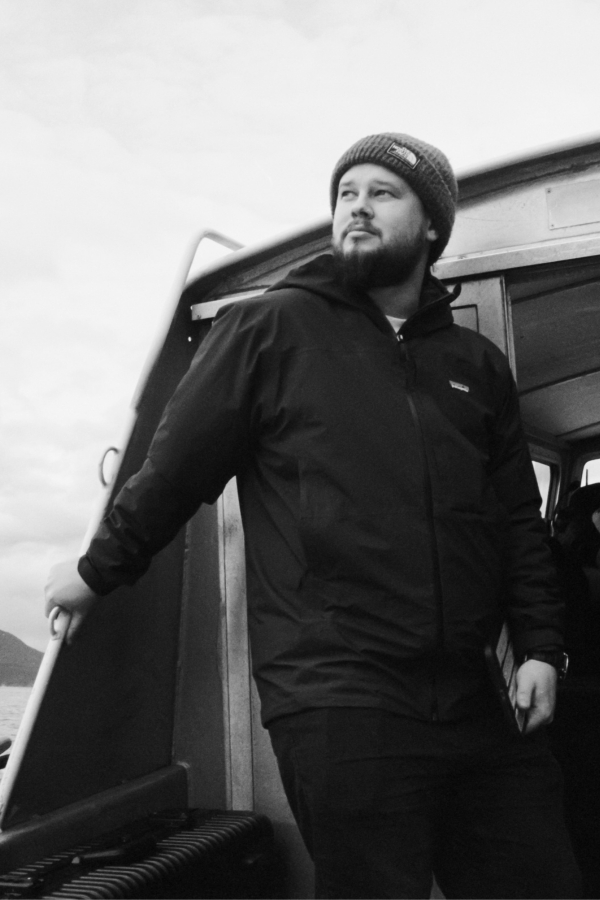
Austin Johnson, Producer eastcherry
Instead, Dometic has chosen to place the people behind the product at the centre of the story.
“Before a single customer stepped aboard a gyro-stabilised vessel, a team of engineers, designers, and technicians spent years in facilities most people will never see. The Voyage finally tells that story.”
For an industry audience, that decision is important. Boat builders, OEM partners, dealers, installers and marine businesses understand that successful product development does not begin at launch. It begins years earlier, in design reviews, engineering discussions, prototype testing, manufacturing processes and sea trials. Much of that work is invisible to the end customer, yet it is central to the value and quality of the finished product.
The Voyage gives that work a human face.
Gyro stabilisation itself is not new. The physics of a precision flywheel generating gyroscopic torque to counter rolling motion has been understood for more than a century and has been used in demanding environments long before entering the recreational marine market. But bringing that capability into a practical, reliable and commercially viable product for boat owners required more than technical understanding. It required time, testing and confidence.
“The ocean is the best beta-testing environment in the world. It holds nothing back.” - The Voyage, Dometic Marine
That idea runs through the film. The DG3 is not presented as a product created in isolation from the environment it is designed to serve. It is shown as a product shaped by that environment – by salt water, vibration, motion, changing conditions and the expectations of boaters who want more comfort, more confidence and more usable time on the water.
The docu-commercial is built around six-character voices, each representing a different part of the Dometic stabilisation journey from concept to open water. Together, they provide a broader view of what it takes to bring a complex marine product to market.
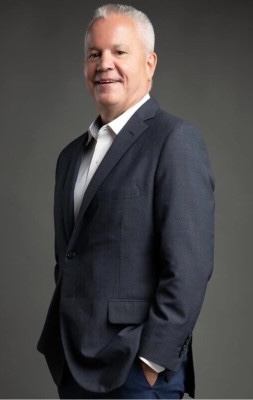
Eric Fetchko, President of Dometic Marine
The strategic voice comes through Dometic Marine President Eric Fetchko, who frames the category decision behind the Dometic Gyro and what it represents for Dometic Marine’s broader direction.
His role in the film is to give context to the engineering and product development that follows – why stability matters, why the timing is right, and why Dometic has committed to the category.
The engineering voice gives the story its technical weight. The engineers speak to the challenges of turning gyroscopic stabilisation theory into a marine product that can perform consistently in the real world.
Their contribution is not presented as a technical lecture.
It is framed around the problems that had to be solved and the barriers that had to be overcome.
“Engineers rarely get the spotlight, yet their work determines every experience a customer has on the water. We wanted to tell that story.” - Laurie Louvier, Vice-President of Marketing, Dometic Marine.
That is where the film succeeds as industry communication. It respects the complexity of the product without making the story inaccessible. It allows Dometic to explain the thinking behind the DG3 in a way that can be understood by the trade, by customers and by the broader boating public.
The designers add another important layer. In marine product development, design is not simply about appearance. It is about materials, components, tolerances, installation pathways and long-term durability. The film positions design as a discipline of consequence, where every choice must survive the environment in which the product will operate.
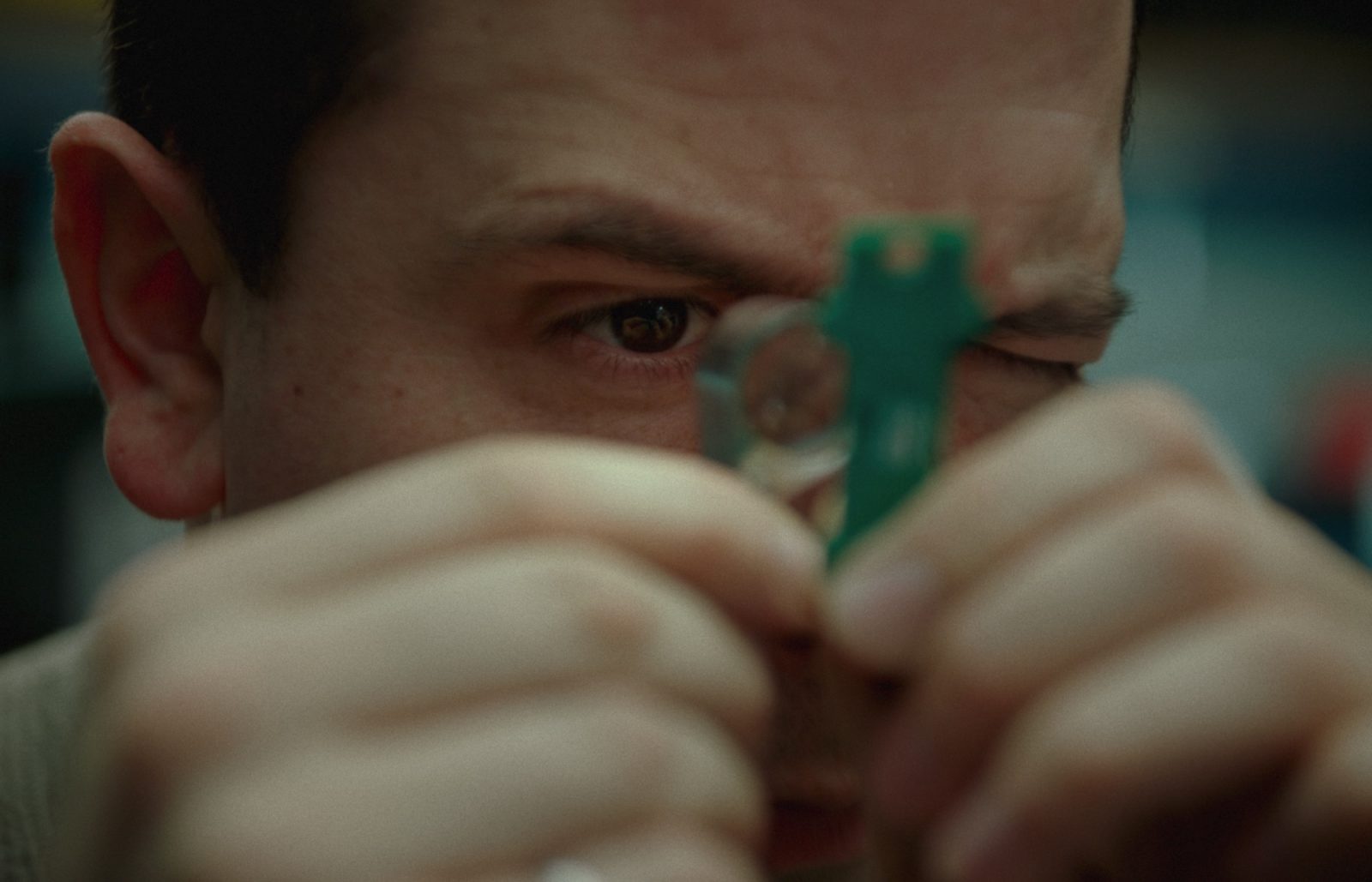
Steve Rickards – Electrical Engineering Manager
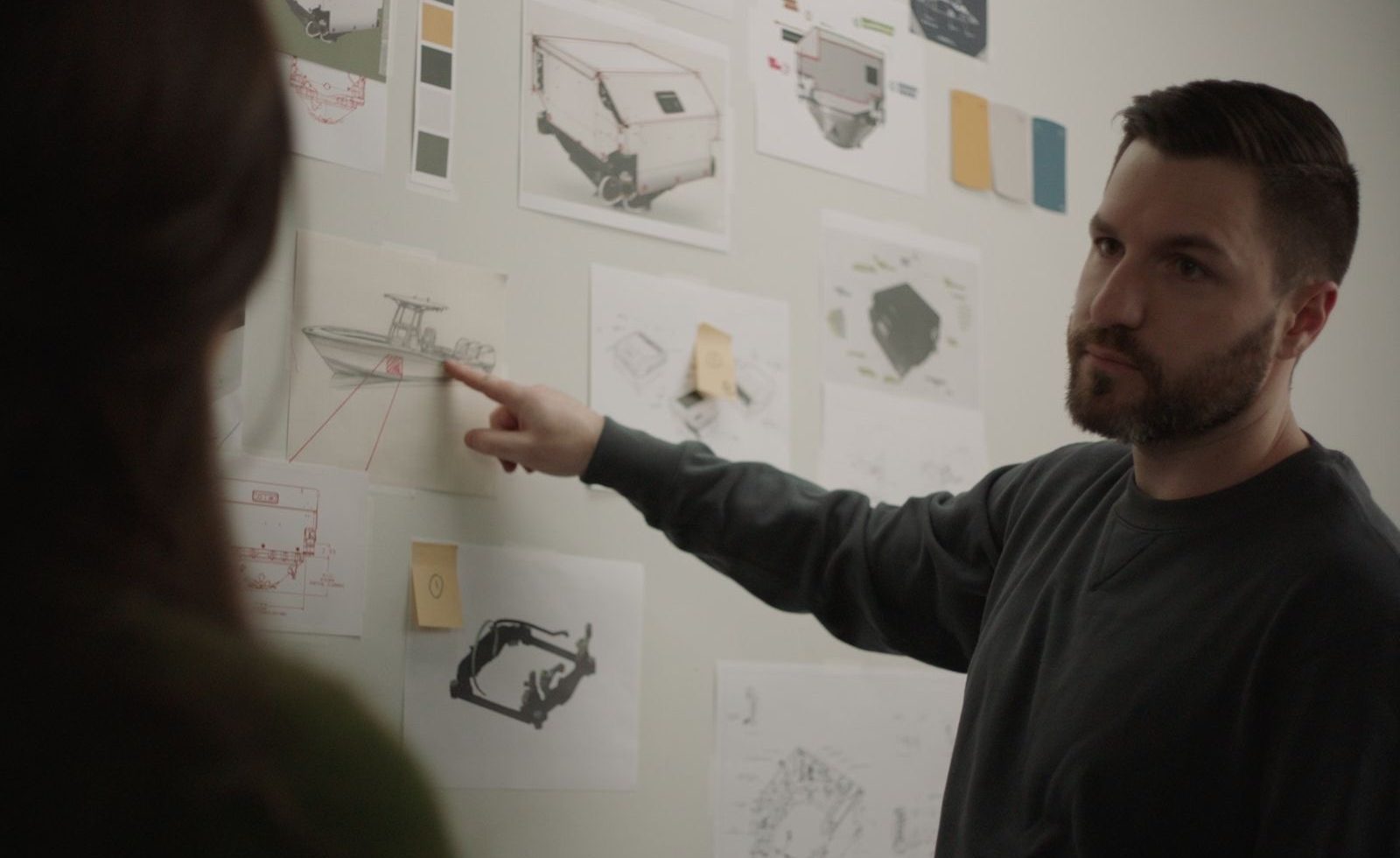
Kevin Stopp – Design Leader
The technicians provide the film with its most tactile sequences. Their hands recur throughout The Voyage, assembling, testing and checking components with the precision required to turn engineering intent into a finished product. In many marine product stories, this part of the process is rarely visible. Here, it becomes central.
“The technicians who build Dometic Marine products represent a form of expertise that is almost never visible in brand communication. The Voyage changes that”
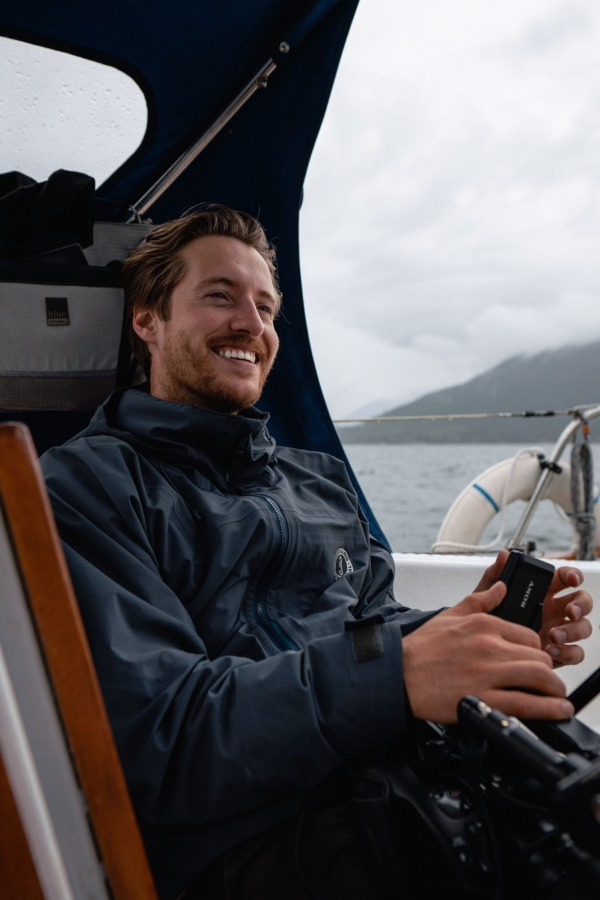
Hank Hill – Executive Producer eastcherry
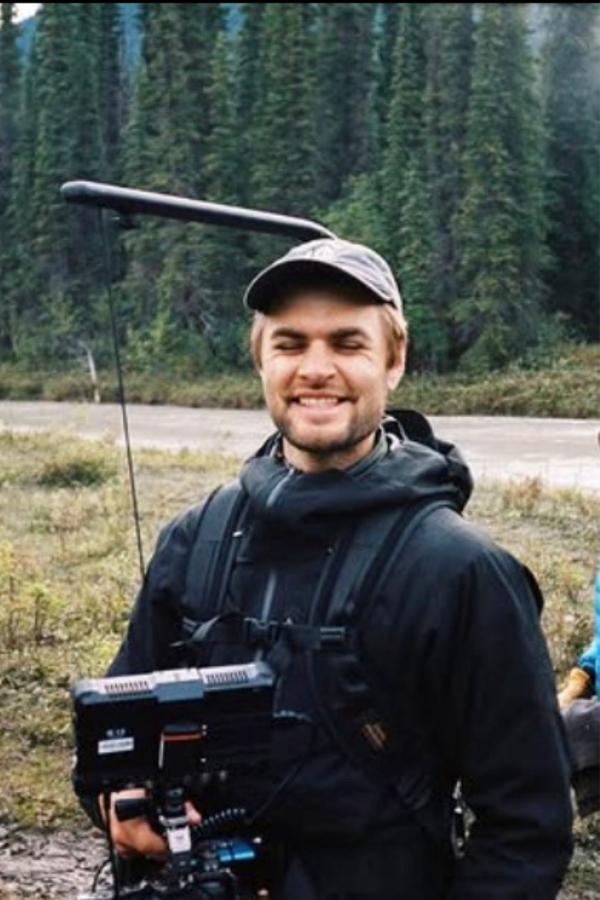
Callum Gunn – Executive Producer eastcherry
The final voice belongs to the boater. This is where the technical story becomes an experience. An experienced Pacific Northwest boater speaks to what stabilisation means from the perspective that ultimately matters most — time on the water. Not stability as a specification, but stability as comfort, confidence and the ability to stay out longer.
“Their on-camera performance comes through movement and instinct,” the production notes. “Showing the Dometic Gyro as a tool that lets them go further and fully enjoy time on the water.”
The production itself reinforces that message. Shot across engineering offices, factory and workshop spaces, open water in the Pacific Northwest, seaside and marina environments, and a controlled studio setting, the film moves through the real places that shaped the product. The environments are refined but not reinvented. The factory remains a factory. The workshop remains a workshop. The credibility comes from allowing those spaces to speak.
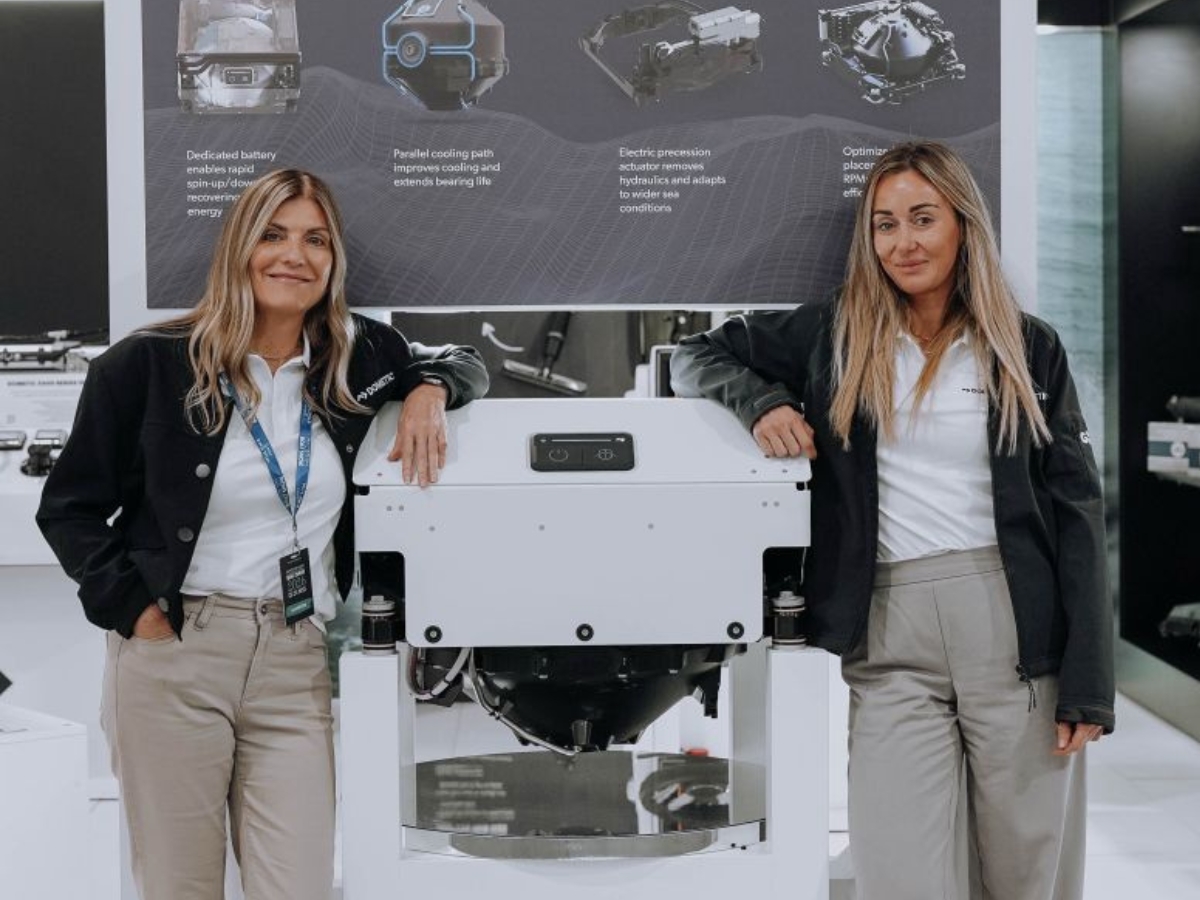
Laurie Louvier, Vice-President of Marketing, Dometic Marine with Claire Meredyth, Marketing Manager Dometic Marine APAC
For Dometic Marine, The Voyage is more than a product film. It is a support platform for the brands entrance into a new product category . It gives the trade a story to share, gives customers confidence in the process behind the product, and shows that Dometic is backing its technology with communication that reflects the same level of consideration as the engineering itself.
The marine industry builds highly sophisticated products, but it has not always been as effective at explaining the people, decisions and development journeys behind them. The Voyage is a reminder that the story behind a product can be part of its value.
“Every hour on the water starts with thousands of hours that were never on the water. The Voyage is our way of finally making those hours visible.”
For more information about the Dometic Gyro, visit their website HERE
PRODUCTION / CREATIVE CREDITS
- Director – Kitale Wilson
- Producer- Austin Johnson
- Production House – eastcherry
- Executive Producers- Callum Gunn, Hank Hill