Tassie’s wild brown trout season
Opening 1 August 2026
The eagerly anticipated opening of Tasmania’s wild brown trout season is almost here, bringing anglers back to some of Tasmania’s most spectacular inland waterways.
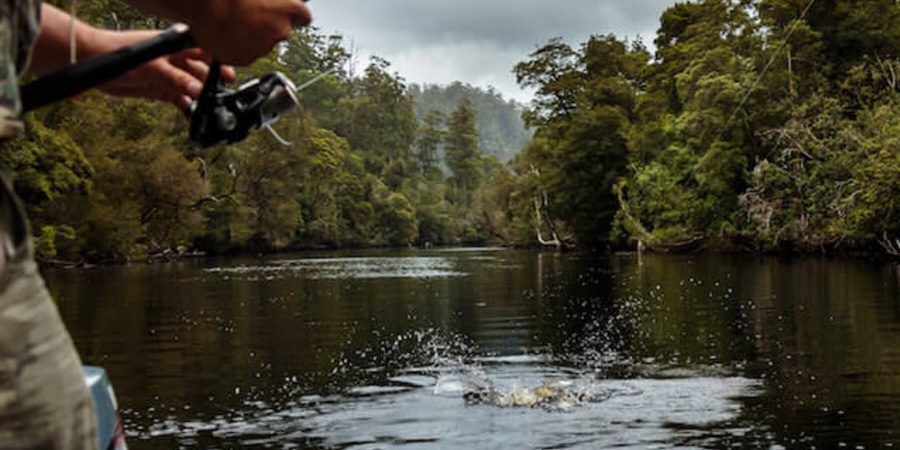
Whether you’re planning to chase trout on a favourite highland lake, discover a new fishing spot, or simply looking forward to a day on the water, now is the perfect time to prepare your boat and safety equipment for the season ahead.
Early-season fishing in the colder months means cold water temperatures and unsettled weather. These conditions can amplify the consequences of even minor incidents, particularly for anglers fishing alone.
Pre-launching safety checklist:
- Wear a life jacket at all times.
- Check the weather forecast and be prepared for rapid changes in conditions.
- Make sure your vessel, motor and battery are in good working order.
- Carry reliable communications equipment, particularly when boating in remote areas.
- Let someone know where you’re going and when you plan to return.
- Dress for the conditions and be aware of the effects of cold-water immersion.
- Wear your kill switch.
Planning to fish alone?
If you’re fishing solo, taking extra precautions is essential. A simple breakdown, a fall overboard, or a medical emergency can quickly become life-threatening when help isn’t immediately available.
MAST has released an educational video offering practical advice for boaters on preparing for and responding to incidents while boating alone.
Safety spotlight – VHF marine radio
When enjoying a day on the water, a VHF marine radio is one of the most effective safety tools available to boaters.
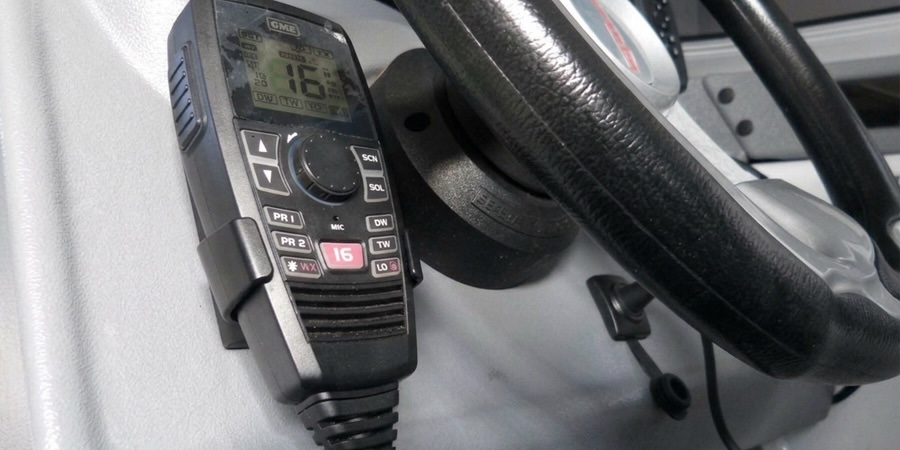
Unlike mobile phones, VHF radios allow two-way communication directly with Tas Marine Radio (TMR) and nearby vessels if you need assistance. A working VHF radio also provides reliable coverage across many of Tasmania’s coastal waters and can be a crucial piece of safety equipment during emergencies.
Always remember to:
- Monitor VHF Channel 16.
- Ensure your radio is operational before departure.
- Check your radio regularly.
Don’t wait for an emergency to learn—watch the VHF radio guide today.
Celebrating 50 Years of Tas Maritime Radio
Marine and Safety Tasmania (MAST) congratulates Tas Maritime Radio (TMR) on reaching an extraordinary milestone, 50 years of service to Tasmania’s boating community in 2026.

Since its establishment five decades ago, dedicated TMR volunteers have provided invaluable support to recreational and commercial mariners through radio monitoring, trip watch services and emergency communications assistance. Thousands of Tasmanian boaters have benefited from TMR’s commitment to maritime safety.
As TMR celebrates this remarkable golden anniversary, MAST is proud to recognise the organisation’s outstanding contribution to Tasmanian maritime safety and looks forward to continuing shared commitment to keeping mariners safe on our waterways for many years to come.

TMR volunteers.
Learn about Tas Maritime Radio
Cruising Tasmania’s waterways
Tasmania offers some of Australia’s most spectacular cruising waters, with dramatic coastlines, sheltered anchorages, and exceptional passages through scenic maritime landscapes.
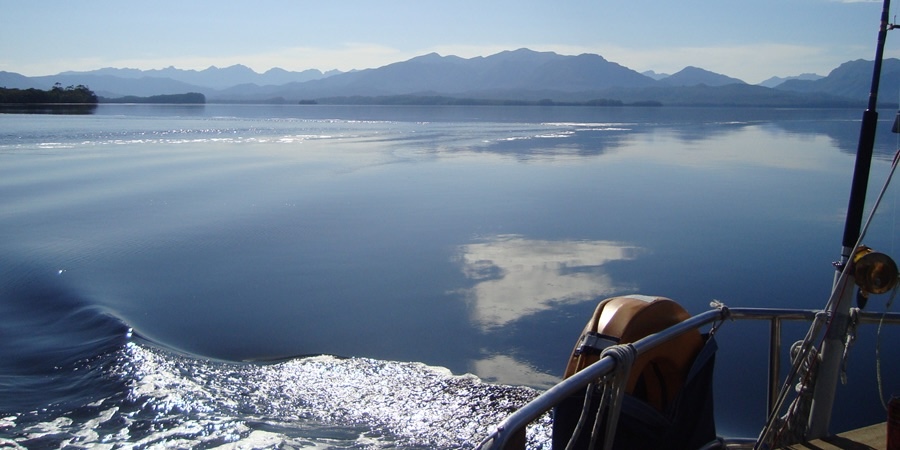
Whether you’re undertaking an extended voyage or simply spending a night away, taking the time to plan your trip, research anchorages, and consider alternative destinations can make all the difference.
Before heading off on your next adventure:
- Check that your vessel is suitable for the intended voyage.
- Study marine charts to familiarise yourself with the planned route.
- Monitor weather forecasts regularly and have a backup plan if conditions change.
- Pack plenty of fuel, food, and water so you’re prepared for the trip and any unexpected delays.
- Inspect your safety equipment before departure to ensure everything is on board, accessible, and in good working order.
- Log on with Tasmania Marine Radio and let someone ashore know your plans.
Take extra precautions over the cooler months
With shorter daylight hours and more variable conditions during winter, preparation becomes even more important. A well-planned cruise allows you to enjoy Tasmania’s remarkable coastline with confidence while ensuring everyone’s safety on board.
For those looking to explore further afield, visit the ‘Cruising Tasmania’ section of MAST’s website for destination guides that cover popular cruising passages around the state.
Operating in port waters
Tasmania’s ports and waterways are shared by recreational and commercial vessels. Boaters must remember that larger vessels, including commercial fishing vessels, ferries, workboats and visiting ships, require significantly more time, distance and space to manoeuvre safely.
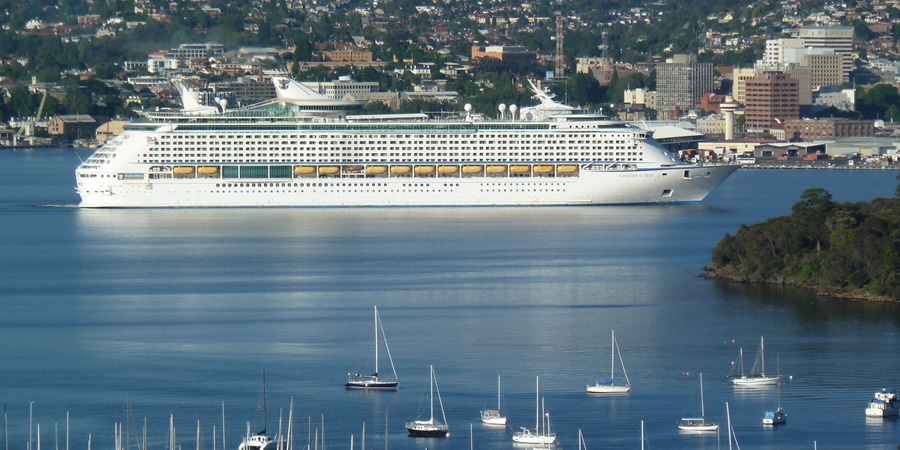
Unlike smaller recreational boats, large vessels cannot stop quickly, may have restricted visibility of the immediate waterway from the bridge, and are often constrained by water depth, navigation channels and operational requirements.
Boaters, when operating in port waters, also:
- A 60-metre exclusion zone (prohibited area) applies around vessels under pilotage during berthing operations and any tug assisting with the manoeuvre.
- Keep clear of large commercial vessels and their intended path.
- Avoid crossing too close ahead of larger vessels.
- Stay alert around wharves, shipping channels and port approaches.
- Be aware that large vessels may have limited ability to alter course or speed.
Always be patient and stay clear
By understanding the operational requirements of larger vessels, recreational boaters can help promote safe navigation and ensure Tasmania’s waterways remain safe and accessible for all who use them.
Read about commercial operations in Tasmanian waters
Using public jetties and wharves responsibly
MAST would like to remind all vessel owners and operators that State-owned public jetties and wharves are provided for the shared use and benefit of the maritime community.
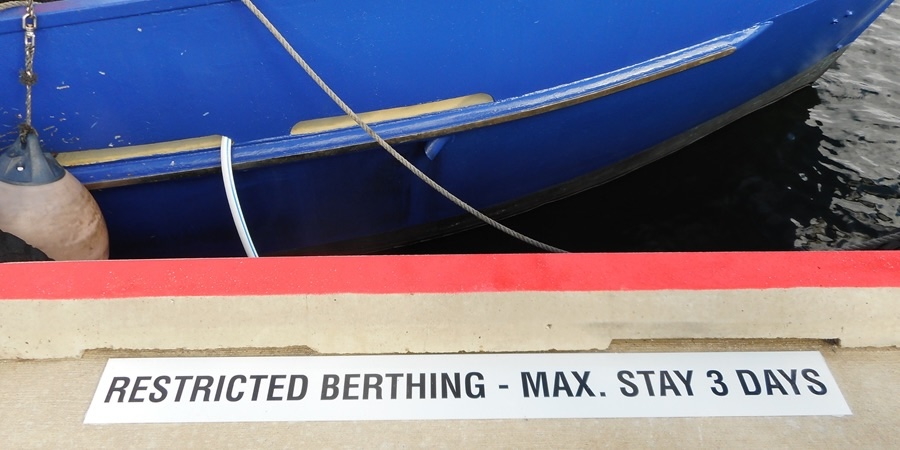
What you need to know when using a public facility:
- Restricted (Red Line) berths are subject to the posted time limit of 3 days unless otherwise approved by MAST.
- Yellow line berths are reserved for loading and unloading passengers, cargo, catch and stores.
- Vessels must depart once these activities are complete, and vessels must not be left unattended without a qualified operator on board.
- Unregistered or unseaworthy vessels are not permitted to berth without written approval from MAST.
MAST regularly monitors the use of public facilities to ensure fair access for all and promote safe, compliant use. If a vessel is obstructing access, MAST may ask the owner or operator to move the vessel to a more suitable location.
MAST say Thank you for helping keep Tasmania’s public facilities safe and accessible for all. Please contact MAST with any questions or enquiries about public facilities, or to request an extended stay.
Infrastructure update
Bridport Pier
Geotechnical drilling has recently been completed at Bridport, with specialist crews collecting core samples from the proposed pier site. The information gathered will assist engineers during the design phase of the new Bridport Pier.
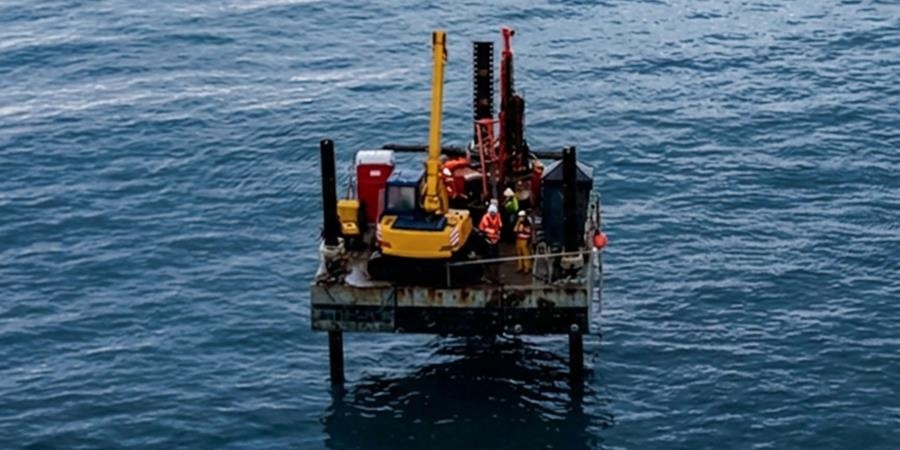
Geotechnical drilling at Bridport.
Prosser River
MAST has recently strengthened the Prosser River training walls by installing seven additional geotextile bags. Sand removal works were also undertaken at the river mouth as part of the project.
Gordon Jetty
Works to replace the Gordon Jetty are projected to commence in late July. The project includes the demolition of the existing jetty, the construction of a new facility, and dredging works. The project is expected to take 16 weeks.
Heybridge Boat Ramp
Maintenance and repair work at the Heybridge Boat Ramp are projected to commence in late July. The works are expected to be completed within one week, pending weather-related delays.
mast.tas.gov.au