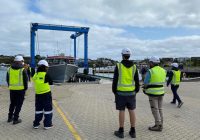
The Queensland marine manufacturing sector is set to benefit from a significant innovation in apprentice training, with TAFE Queensland’s Coomera Marine Centre of Excellence introducing a new virtual delivery model for the MEM30719 Certificate III in Marine Craft Construction.
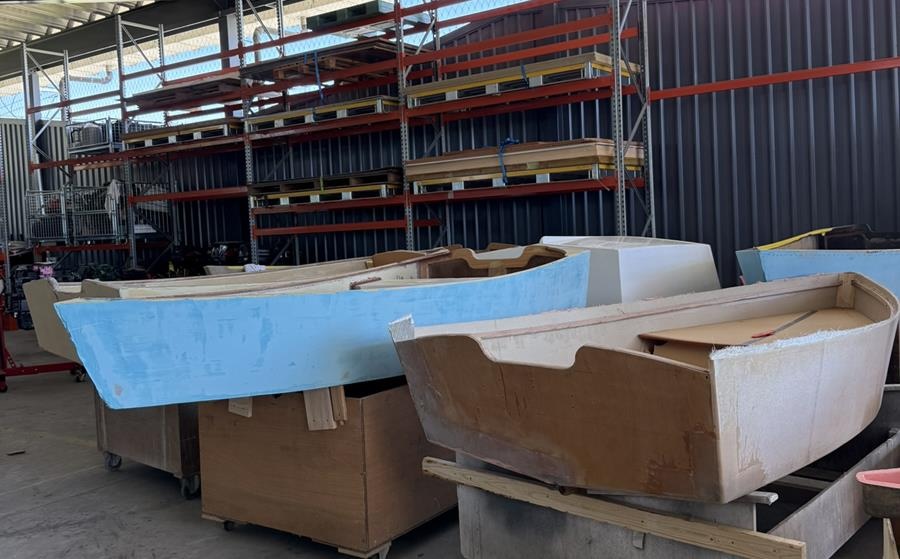
Apprentices enrolling for Term 1, 2027 will benefit from the new approach which combines online learning, one-on-one educator support, self-paced study, and workplace-based practical training. The initiative has been designed to provide greater flexibility for employers and apprentices while maintaining the quality and outcomes of the nationally recognised qualification.
What Is Changing?
TAFE Queensland currently supports marine craft construction apprentices across Australia through day-release and block-release training models. Under the new delivery approach, selected training units will be delivered virtually, allowing apprentices to complete a greater portion of their studies while remaining in their workplace.
The program will include approximately:
- 3 hours per week of structured online learning
- 30 minutes of individual educator support
- 3 hours per week of self-paced learning
Importantly, apprentices will still undertake both theoretical learning and practical skills development, with the overall weekly training commitment remaining unchanged.
What Does This Mean for Employers?
For many marine businesses, particularly those located outside Southeast Queensland, the changes are expected to deliver a range of practical benefits.
Reduced Travel and Accommodation Costs
Employers may see a significant reduction in costs associated with apprentices travelling to the Gold Coast for training, including accommodation, transport, and time away from the workplace.
Greater Workforce Availability
As the program evolves, apprentices may be able to remain in the workplace for up to half of their required training activities, reducing disruptions to production schedules and improving workforce continuity.
Workplace-Relevant Learning
The new model places greater emphasis on practical tasks being completed within the apprentice’s own workplace, using real projects, equipment, and systems. This approach allows apprentices to develop skills directly aligned with their employer’s operations.
Increased Visibility of Apprentice Progress
Employers will have more opportunities to engage with and monitor apprentice learning, with practical evidence and workplace assessments forming a key part of the training process.
Supporting Apprentices Where They Learn Best
The marine industry has consistently highlighted the challenges of attracting, training, and retaining skilled tradespeople. Flexible delivery models such as this can help reduce barriers to apprenticeship participation, particularly for regional businesses and apprentices who may otherwise face significant travel commitments.
The initiative also supports collaboration between apprentices working in marine businesses across Australia, creating opportunities to learn from peers while remaining connected to their local workplace.
What Employers Need to Provide
While the delivery method is changing, employer responsibilities remain largely the same. Businesses will continue to provide:
- Paid time for apprentices to undertake training
- Access to workplace supervision and practical learning opportunities
- Third-party verification of workplace competency development
- Access to a computer, internet connection and camera for online sessions
- The ability to capture practical work evidence through photos or video recordings
Building the Future Marine Workforce
As demand for skilled boatbuilders and marine craft tradespeople continues to grow, innovative training solutions will play an important role in ensuring employers can develop the workforce needed to support industry growth.
The introduction of virtual delivery for the Certificate III in Marine Craft Construction represents an important step towards making apprenticeships more accessible, flexible, and responsive to the needs of modern marine businesses.
BIA welcomes initiatives that strengthen apprenticeship participation, reduce barriers for employers, and support the development of a highly skilled marine manufacturing workforce for the future.
For more information, visit tafeqld.edu.au and bia.org.au